
Our Story
A stage built from community.
A history carried by generations.
Historic Lyric Theatre archive · Original Lyric exterior
The East End
was already alive.
Long before the Lyric opened, Lexington’s East End had grown into an important center of Black residential, commercial, professional, religious, and social life.
Along Deweese Street—today’s Elm Tree Lane—families lived near churches, restaurants, doctors, attorneys, barbershops, insurance offices, clubs, and neighborhood stores. The theatre entered a community that had already built a world of its own.
“Do As You Please.”
The street’s remembered nickname spoke to a district where Black Lexingtonians made room for business, culture, fellowship, and self-determination in a segregated city.
A new room
for the community.
The Lyric opened in December 1948 as both a movie theatre and a gathering place. Saturday cartoons and Westerns filled the screen. Pageants, fashion shows, comedy, music, and community programs filled the room.
The building did more than present entertainment. It gave Black Lexington a place to arrive together, to be seen, and to share an evening on its own terms.
A little Saturday
magic.
For children in the original Lyric’s audience, Saturday meant cartoons on the big screen. Take a seat for a short from that era: Popeye the Sailor: Ancient Fistory (1953), a playful twist on Cinderella.
An example of 1950s theatrical animation; a screening of this particular cartoon at the Lyric has not been documented.
Watch at the source & view film credits ↗
Lexington’s
Living Room.
Segregation denied Black Lexingtonians equal access to many theatres, restaurants, hotels, and public accommodations. The East End sustained its own thriving institutions, and the Lyric became part of that world.
Within the Lyric, entertainment became fellowship. Theatre became memory. And a building became part of a community’s identity.
Imagine
this room
in the 1950s.
Beneath the marquee, audiences gathered for nationally important artists whose work helped shape American music. City and institutional histories identify Count Basie and Ray Charles among Lyric performers. Duke Ellington and Ella Fitzgerald appear in later accounts, but adequate venue-specific archival evidence has not yet been located; these associations remain active research questions.
Count Basie
Historic Lyric Theatre media archive
Ray Charles
Duke Ellington
Ella Fitzgerald
Explore the Chitlin’ Circuit → Tonight at the Lyric → Made in Kentucky →
The people
beneath the marquee
made it matter.
The artists made history on the stage. The community made history everywhere else.
The ticket seller. The ushers. Children waiting for cartoons. Parents meeting friends. Young couples on a first date. Musicians backstage. Merchants closing a shop before the show.
Week after week, ordinary lives gave the Lyric its meaning.
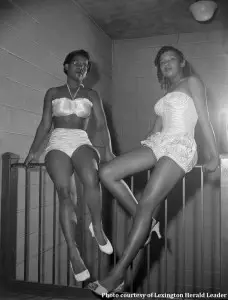
Culture
Created
Commerce.
Restaurants, beauty shops, barbershops, stores, clubs, professional offices, transportation, and nightlife moved in rhythm with the district. The Lyric did not merely sit within the East End.
It participated in its rhythm.
Lady and the Lyric, 1974 · Historic Lyric Theatre media archive
The lights went out.
As desegregation opened long-denied doors, Lexington’s social and commercial geography changed. Integration was a necessary expansion of civil rights; it also altered the concentrated Black business districts that segregation had forced communities to build. Audience patterns shifted, commercial patterns changed, and the original Lyric closed.
A building waited.
A community remembered.
The crowds disappeared. The performers stopped arriving. The marquee went dark. The theatre stood closed for decades as the building deteriorated and the neighborhood changed.
But memory kept the room present—in family stories, photographs, and the determination of people who understood what the Lyric had meant.
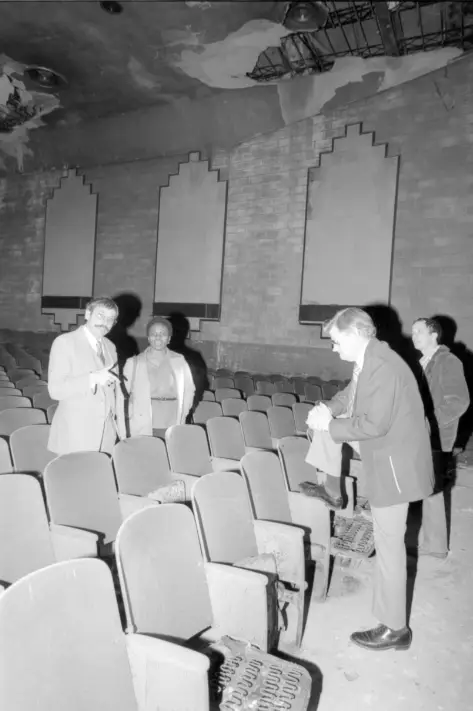
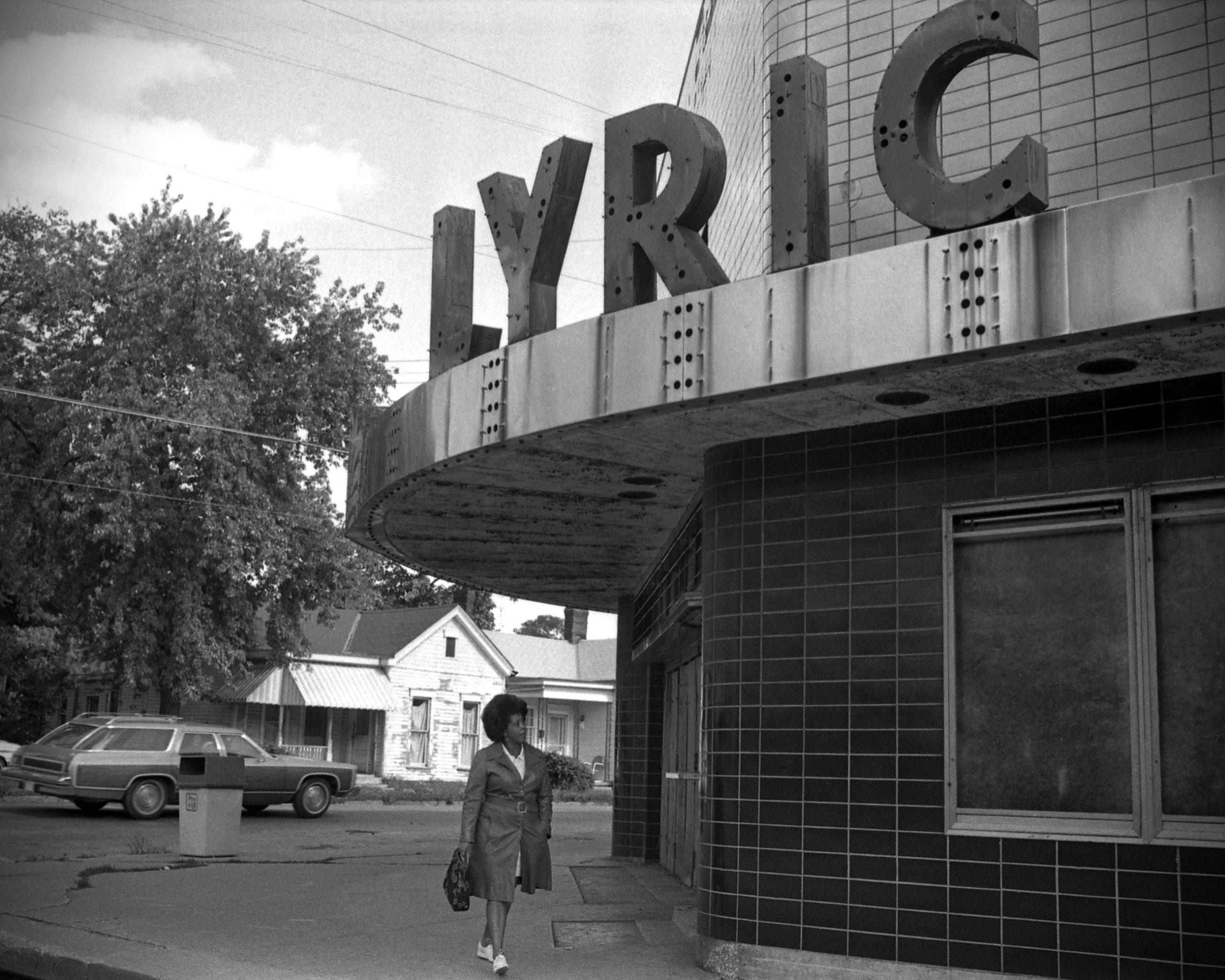
Historic Lyric Theatre media archive · Renovation, 2004; Lady and the Lyric, 1974
Preservation Became
An Act of Memory.
Residents, preservation advocates, local leadership, and public investment carried the Lyric toward restoration. Saving it was never only about brick, tile, or a marquee. It was about recognizing the history held inside those walls.
Community advocacy transformed remembrance into action.
Black history is Lexington history.
47 years later…
the applause returned.
The restored Lyric Theatre & Cultural Arts Center reopened in October 2010. Performance, visual art, education, and community life returned to a room that had never left the city’s memory.
Historic Lyric Theatre media archive · Community at the restored Lyric
A Living Stage.
Preservation does not mean standing still. Today the Lyric is a working institution for concerts, theatre, dance, film, visual art, education, youth programs, emerging artists, and community gatherings.
The room’s purpose remains familiar: bring people together, make culture visible, and create space for what comes next.
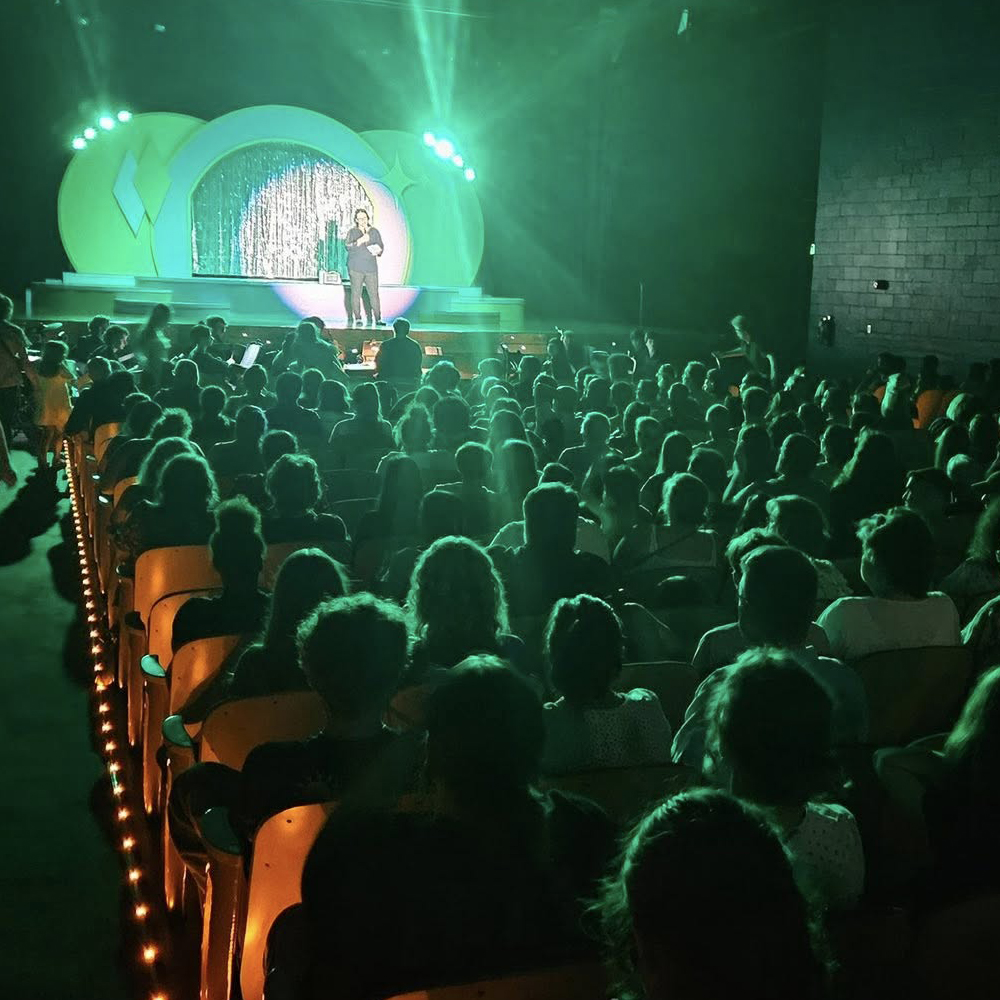
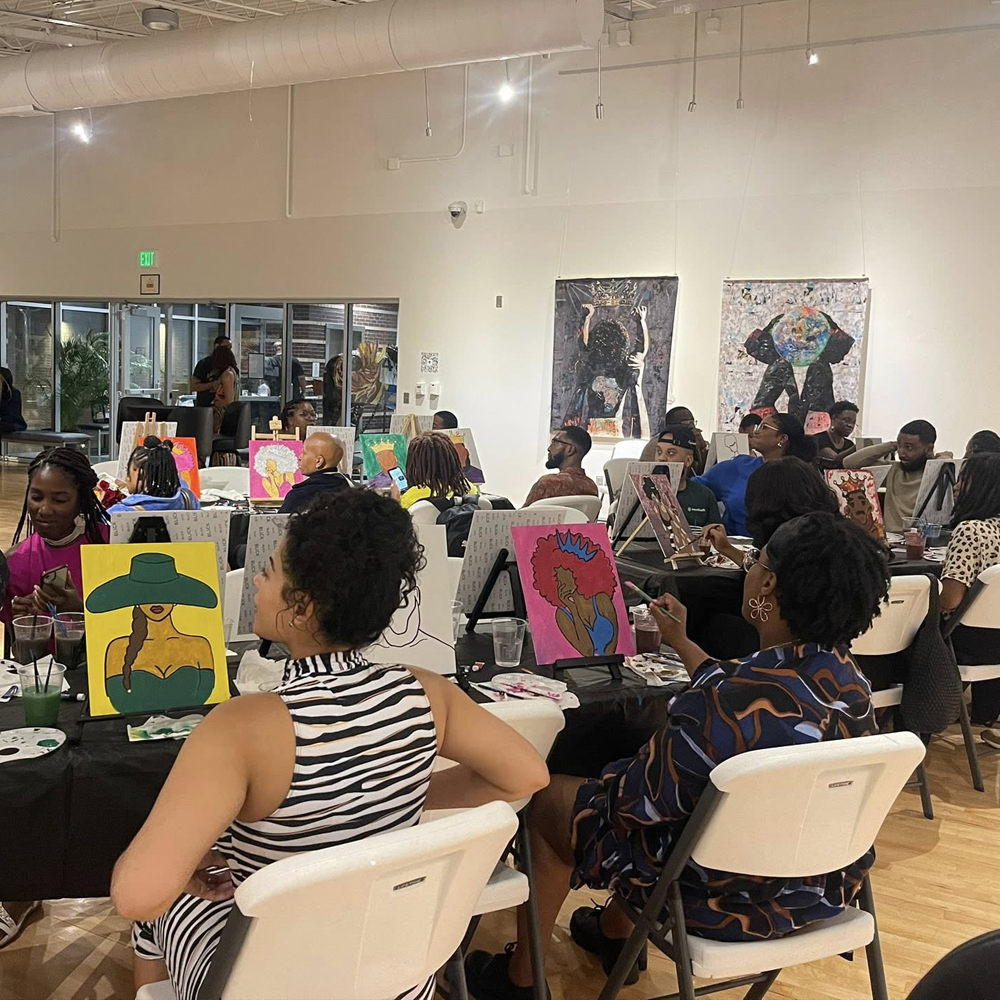
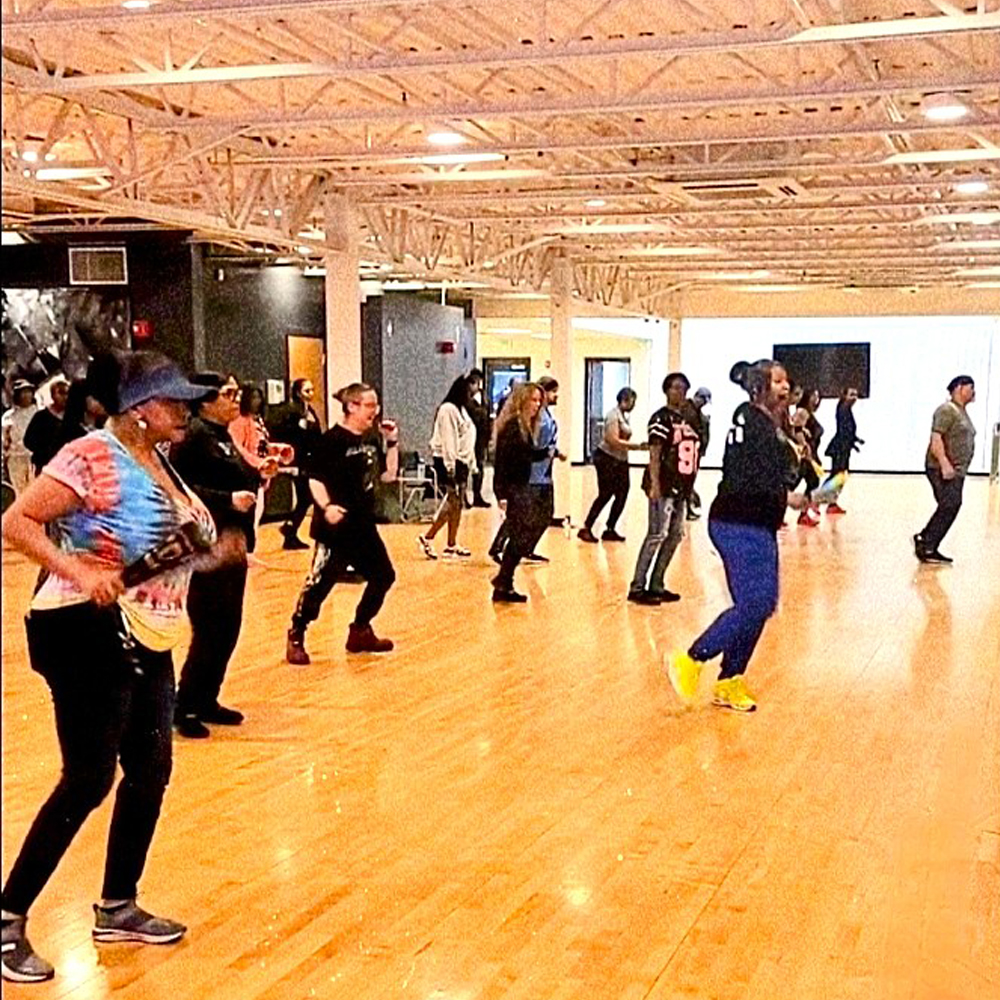
Historic Lyric Theatre media library · Present-day auditorium, gallery, and community room
One Stage.
Thousands of Stories.
Children who knew the original Lyric returned as elders. New artists now stand where earlier generations performed. Students learn the history of the room they have entered.
The building connects lived memory to new possibility—one audience, one class, and one performance at a time.
History, in six movements.
The Lyric opens in Lexington’s historic East End.
Movies, jazz, blues, R&B, comedy, fashion shows, pageants, and community events fill the theatre.
The original Lyric closes as Lexington’s social and commercial landscape changes.
Memory and advocacy carry the story through decades of closure.
The restored Lyric Theatre & Cultural Arts Center reopens.
The Lyric continues through performance, education, art, and community.
The Lyric has witnessed segregation and integration. Silence and song. Decline and renewal. Legendary performers and first-time artists. Saturday cartoons and sold-out performances. Children who became grandparents. A neighborhood that changed. A building that endured. And a community that remembered.
The Lyric
is still home.
The next chapter is happening now.