Les McCann
From the East End to the world. A Lexington musician’s life in jazz, soul, and creative expression.
Explore Les McCann
Lexington, Kentucky
People, places & living culture.
Begin at the Lyric. Follow the stories outward.
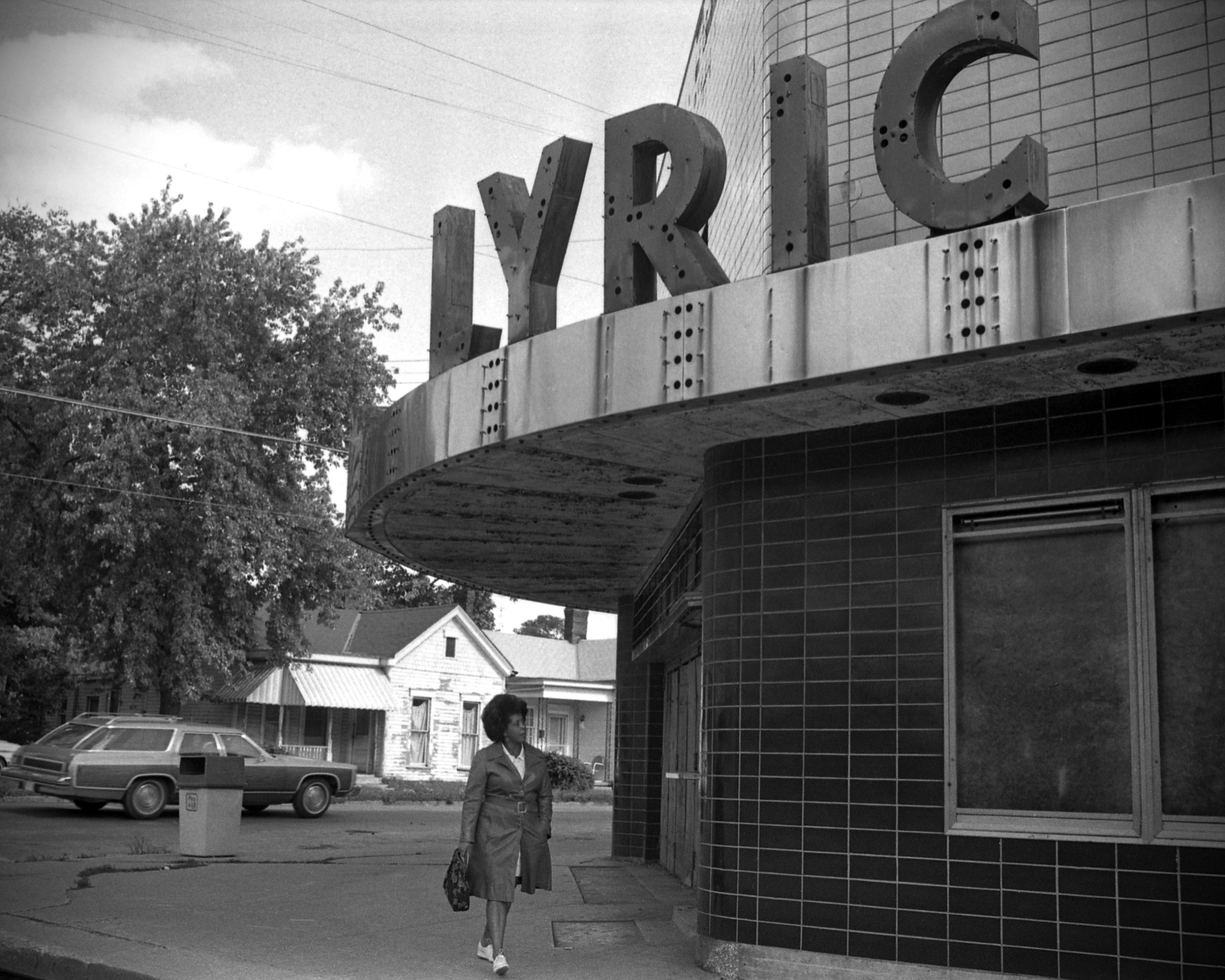
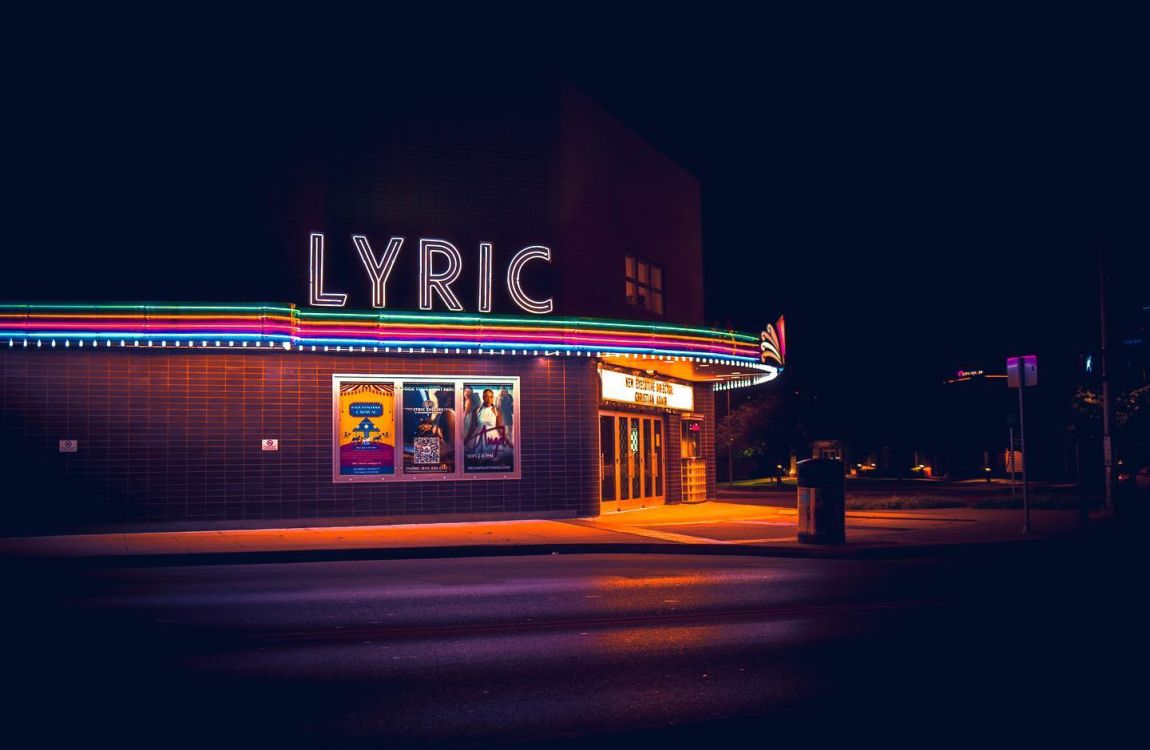
Lyric street scene, identified as 1974 in the Historic Lyric Theatre website archive.
Discover the musicians, horsemen, business owners, and neighbors whose stories connect Lexington to a wider American history.
Follow a musical life from the East End to international stages. Explore a racing legacy. Meet the businesses around the theatre.
From the East End to the world. A Lexington musician’s life in jazz, soul, and creative expression.
Explore Les McCann
Original music and neighborhood illustrations. Isaac Murphy card: Library of Congress, no known restrictions on publication. Photograph credits appear beside each image.
Lexington native · East End roots
A musical voice that carried a hometown connection into an international career.
Born in Lexington in 1935, pianist and vocalist Les McCann grew up in the East End. His life connects the neighborhood’s history to the wider story of American music. [1, 2]
Following military service, McCann developed his career in California. His trio, Les McCann Ltd., became part of the Los Angeles music scene, and he recorded for Pacific Jazz. [1]
McCann brought jazz into conversation with soul, funk, and electronic instruments. His recordings became a source for later musicians through sampling, extending the reach of his work beyond its original audiences. His creativity also included painting and photography. [2]
His 1969 Montreux performance of “Compared to What,” with saxophonist Eddie Harris, became a landmark recording. The song was written by Gene McDaniels. [3]
NAMM’s Oral History Collection preserves an interview with McCann recorded on November 6, 2015. Visit the collection to hear his account of his musical life.
Visit the oral-history interview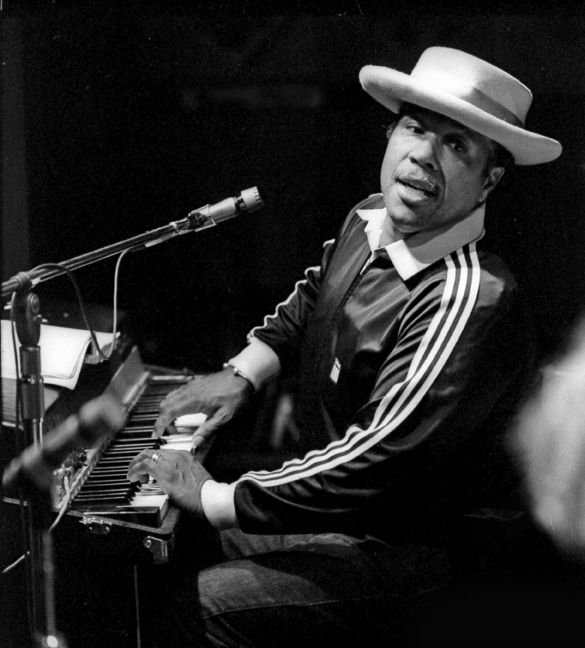
Born in Lexington, September 23. [2, 3]
Records “Compared to What” with Eddie Harris at Montreux. [3]
Inducted into the Kentucky Music Hall of Fame. [1]
NAMM records his oral-history interview. [3]
NAMM Oral History Collection · Interview recorded November 6, 2015. Playback provided from NAMM’s official media host.
McCann’s musical beginnings moved from school sousaphone to drums and piano. NAMM’s interview description also highlights his use of electronic keyboards and the celebrated 1969 Montreux performance.
This is an editorial listening guide, not a verbatim transcript. Open the official interview page for its written description and playback.
Additional accounts of McCann’s work at the original Lyric are being checked against original testimony. This exhibit does not assert an original-Lyric performance.
Sport · Work · Community
Exceptional riders and the people behind the horses belong at the center of Kentucky’s racing history.
Isaac Murphy ↗ · Oliver Lewis ↗ · Jimmy Winkfield ↗
Oliver Lewis rode Aristides to victory in the first Kentucky Derby in 1875. Isaac Murphy became the first jockey to win the Derby three times, with victories in 1884, 1890, and 1891. [1, 2]
Murphy’s career connects directly to Lexington. University of Kentucky educational material places his first victory at the Kentucky Association racetrack in September 1876. [3]
Before Keeneland, the Kentucky Association track hosted racing near downtown Lexington. It held its final meet in spring 1933. Keeneland opened on October 15, 1936. [4]
Murphy entered the Racing Hall of Fame in 1955. His biography also shows why historical statistics need care: surviving accounts give different career totals and winning percentages. The achievement is clear; the precise record needs qualification. [2]
Oliver Lewis wins the first Kentucky Derby. [1]
Murphy’s first victory at the Kentucky Association track. [3]
Murphy wins his third Kentucky Derby. [2]
The Kentucky Association track holds its final meet. [4]
Track formation, land acquisition, and racing opening are separate events. A detailed ownership chronology is still in development.
The neighborhood around the Lyric
Follow the story beyond the marquee, into the homes and businesses of Black Lexington.
Explore Deweese Street’s story ↗By the late nineteenth century, Deweese Street was predominantly an African American residential and business district, according to Kentucky Historical Society marker 2562. [1]
The marker names four establishments: the Derby Sandwich Shop, Domestic Life and Accident Insurance Company, Club Hurricane, and Sterling Barbershop. These businesses provide a starting point for recovering the district’s working life. [1]
When the Lyric opened in December 1948, it joined a district that already connected home, enterprise, and social life. The theatre became an anchor for business and entertainment. [1]
The marker also identifies housing segregation and discriminatory real-estate practices as part of the neighborhood’s history. Its cultural vitality developed within restrictions that shaped where Black Lexingtonians could live. [1]
Food & neighborhood enterprise
Kentucky Historical Society marker 2562 preserves this business name among the district’s gathering places.
Do you remember a meal, a menu, or someone who worked here? Help tell its story.
A documented address · 1933

The 1933 Lexington telephone directory lists the company at 180 Deweese Street, connecting the marker’s name to a specific neighborhood address.
Explore the library’s directory record (page 65).
Social life & gathering
The historical marker recognizes the club as part of Deweese Street’s business community.
Who gathered here, and what did an evening sound like? Share a memory or a program.
A barber’s working life · 1980

A July 18, 1980 archive photograph identifies proprietor LeRoy H. Hope. Its caption records that he joined Sterling in 1939 after beginning work on Deweese Street in 1933.
The historical marker, library directory, and newspaper archive offer different kinds of evidence. Additional research questions are collected below in “Help grow the archive.”
27 lives · Many ways to change the world
Freedom seekers, teachers, artists, civic leaders, and athletes connect Lexington to a wider Black American history.
Choose a person to open a deeper biography, historical milestones, image credits, and sources. Select a name from the alphabetical list or explore a theme.
27 profiles
Each card identifies its local connection. “Wider Kentucky” profiles include important regional figures and people commemorated in Lexington. Archival images and original graphics are labeled; full credits appear inside each profile.
Freedom & Civil Rights
Lexington resident · Born enslaved in Maryland
1829 · A legal claim to freedom
Explore Charlotte Dupuy Archival image
Freedom & Civil Rights
Lexington native · Author and abolitionist
1853 · Clotel
Explore William Wells Brown Portrait · sources in profile
Freedom & Civil Rights
Lexington native · Educator and organizer
1960s · Organizing for integration
Explore Audrey Grevious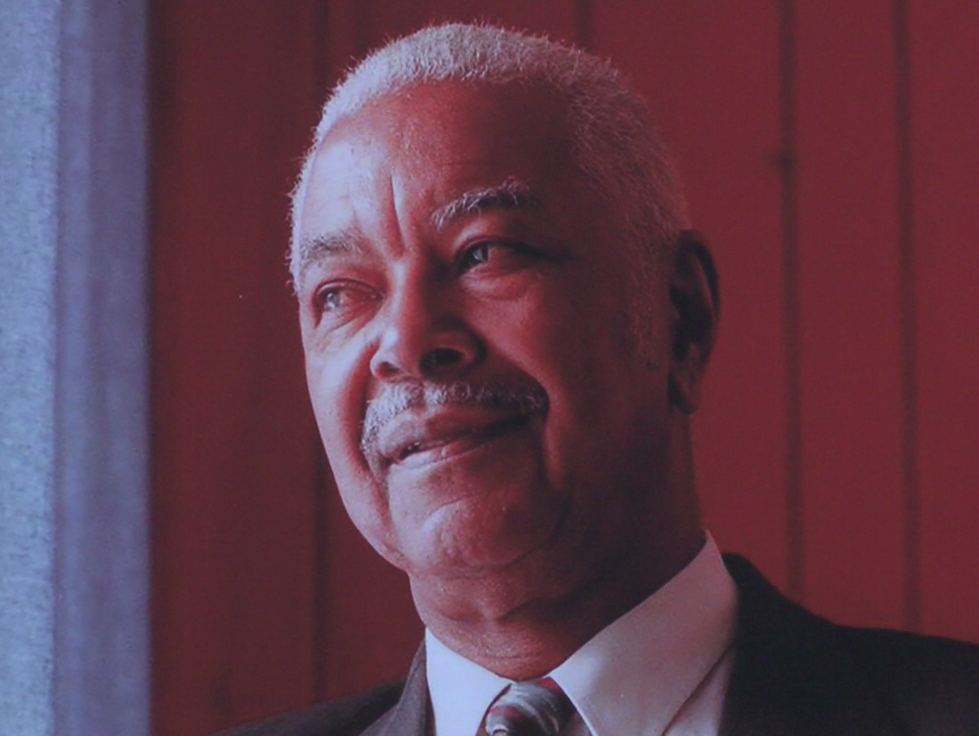 Portrait · sources in profile
Civic Leadership
Lexington civic leader · Born in Mississippi
1963 · Breakthrough in city government
Explore Harry Nash Sykes Portrait · sources in profile
Arts & Culture
Lexington native · Sculptor and educator
A Lexington artist designs U.S. coins
Explore Isaac Scott Hathaway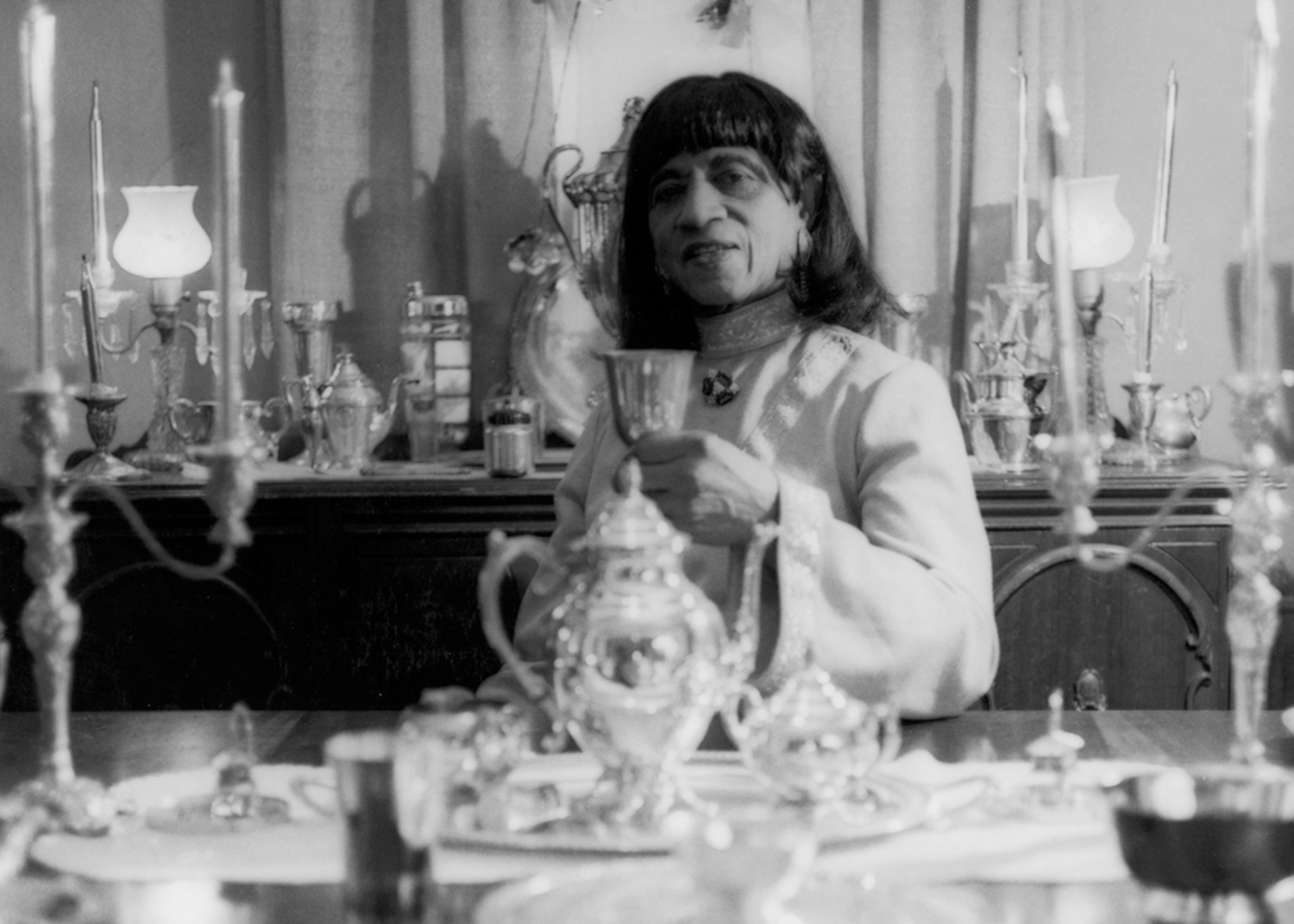 Portrait · sources in profile
Arts & Culture
Lexington community figure · LGBTQ+ history
A life remembered through community archives
Explore Sweet Evening Breeze Archival image
Racing
Chilesburg, Fayette County native · International jockey
1901 + 1902 · Consecutive Derby victories
Explore Jimmy Winkfield Portrait · sources in profile
Modern Athletics
Lexington native · University of Kentucky alumnus
2012 · Pro Football Hall of Fame
Explore Dermontti Dawson Archival image
Medicine & Education
Lexington native · Physician, teacher, and advocate
1902 · Licensed to practice medicine
Explore Dr. Mary Ellen Britton Archival image
Arts & Culture
Lexington native · Composer and conductor
A musical legacy heard again at the Lyric
Explore Julia Perry
Freedom & Civil Rights
Lewis: Lexington connection · Harriet: Kentucky connection
1844 · A family escapes slavery
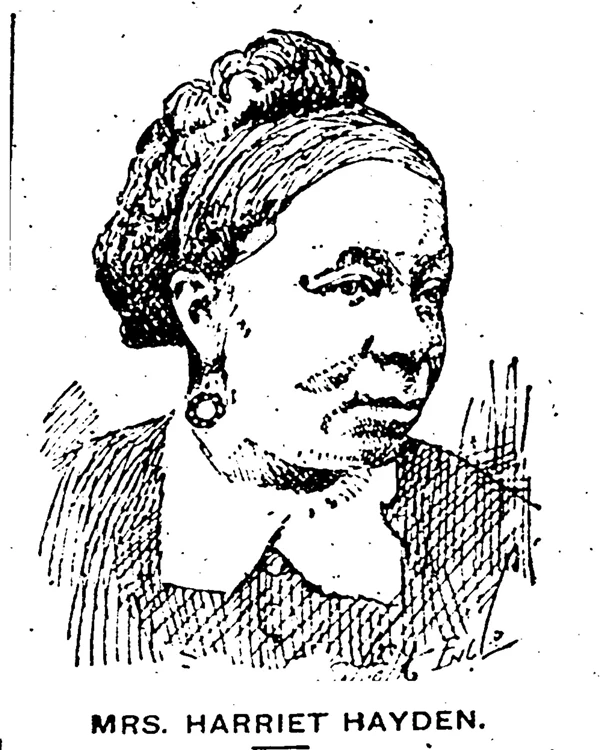
Explore Lewis & Harriet HaydenLicensed photographArchival imageRacing
Lexington career · Kentucky Association racetrack
1884 · 1890 · 1891
Explore Isaac Murphy Portrait · sources in profile
Racing
Kentucky racing history · Lexington connection
1875 · The first Kentucky Derby
Explore Oliver Lewis Portrait · sources in profile
Civic Leadership
Lexington native · Education and local government
A voice for desegregation and public service
Explore Robert “Jeff” Jefferson Portrait · sources in profile
Medicine & Education
Lexington pharmacist · Born in Franklin County
1893 · Opens Ballard Pharmacy
Explore William H. Ballard Sr.Medicine & Education
Lexington native · Physician and musician
1926–1976 · A half-century of medical practice
Explore Dr. Bush Alexander Hunter Portrait · sources in profile
Medicine & Education
Fayette County roots · Lexington educator
1887 · Leads the opening of Kentucky State
Explore John Henry Jackson Portrait · sources in profile
Arts & Culture
Lexington native · Journalist and pianist
Words, rhythm, and Harlem culture
Explore Dan Burley Portrait · sources in profile
Civic Leadership
Lexington-based organizer · Born in Richmond, Kentucky
Food, land, and a sustainable community
Explore Jim Embry Licensed photograph
Modern Athletics
Lexington native · International sprinter
2007 · Three World Championship gold medals
Explore Tyson Gay Portrait · sources in profile
Racing
Lexington native · Jockey and trainer
1877 · Trains a Kentucky Derby winner
Explore Edward Dudley Brown Portrait · sources in profile
Arts & Culture
Wider Kentucky · Frankfort native
Kentucky roots, Broadway achievement
Explore George C. Wolfe Archival image
Arts & Culture
Wider Kentucky · Pike County poet
1904 · Songs of the Months
Explore Effie Waller Smith Portrait · sources in profile
Medicine & Education
Wider Kentucky · Mary Britton’s sister
Music and education across generations
Explore Julia Britton Hooks Archival image
Civic Leadership
Wider Kentucky · Lexington center bears his name
Soldier, diplomat, and park superintendent
Explore Charles Young Portrait · sources in profile
Racing
Wider Bluegrass · Woodford County native
1877 · Wins aboard Baden-Baden
Explore Billy WalkerChoose All people or reset the theme to see everyone.
East End · Homes, enterprise & community
A neighborhood story · Lexington, Kentucky
Deweese Street’s history reaches beyond the Lyric Theatre. By the late nineteenth century, it was predominantly an African American residential and business district. Homes and enterprises stood close together, creating a neighborhood where commerce and community life shared the same streets.
Kentucky Historical Society marker 2562 remembers businesses including the Derby Sandwich Shop, Domestic Life and Accident Insurance Company, Club Hurricane, and Sterling Barbershop. Their names offer starting points for exploring the people who worked, gathered, and built livelihoods here.
The Lyric opened in December 1948, becoming an anchor for entertainment within this existing community. The marker also acknowledges how segregation and discriminatory housing practices restricted Black Lexingtonians’ choices.
Dedicated on September 7, 2018, the marker preserves this history and invites further discovery through photographs, business records, and residents’ memories.
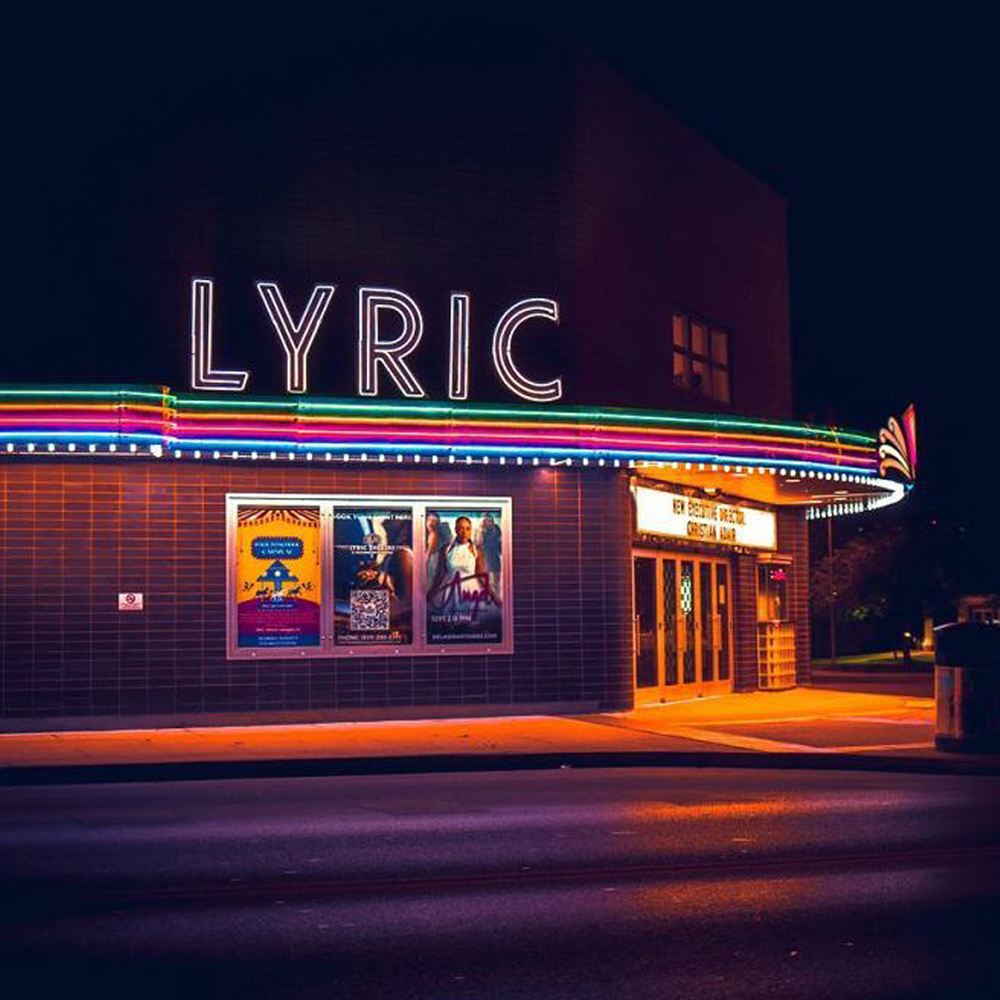
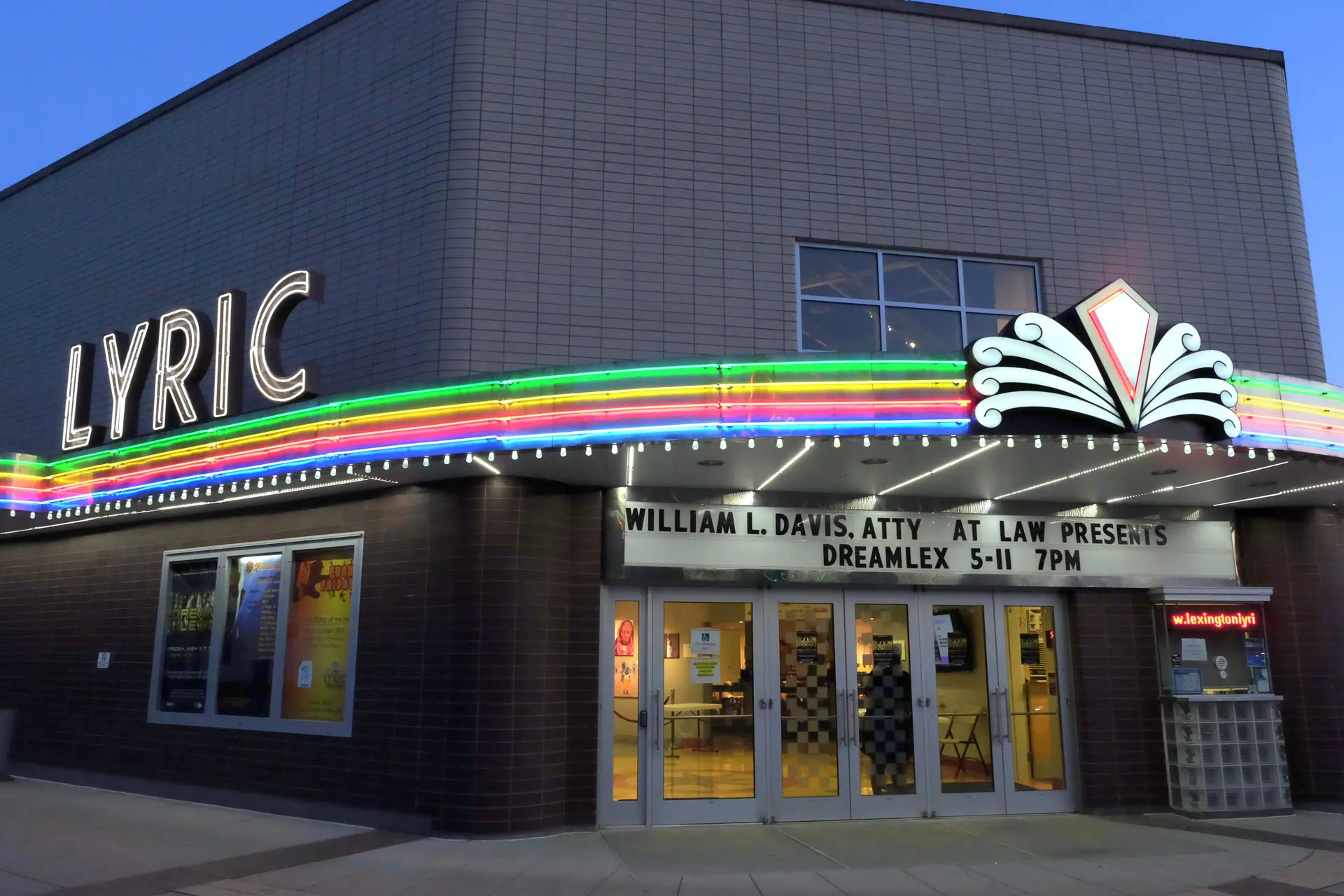
The theatre’s illuminated marquee and colorful Cultural Arts Center entrance offer two views of the Lyric’s continuing place in the East End.
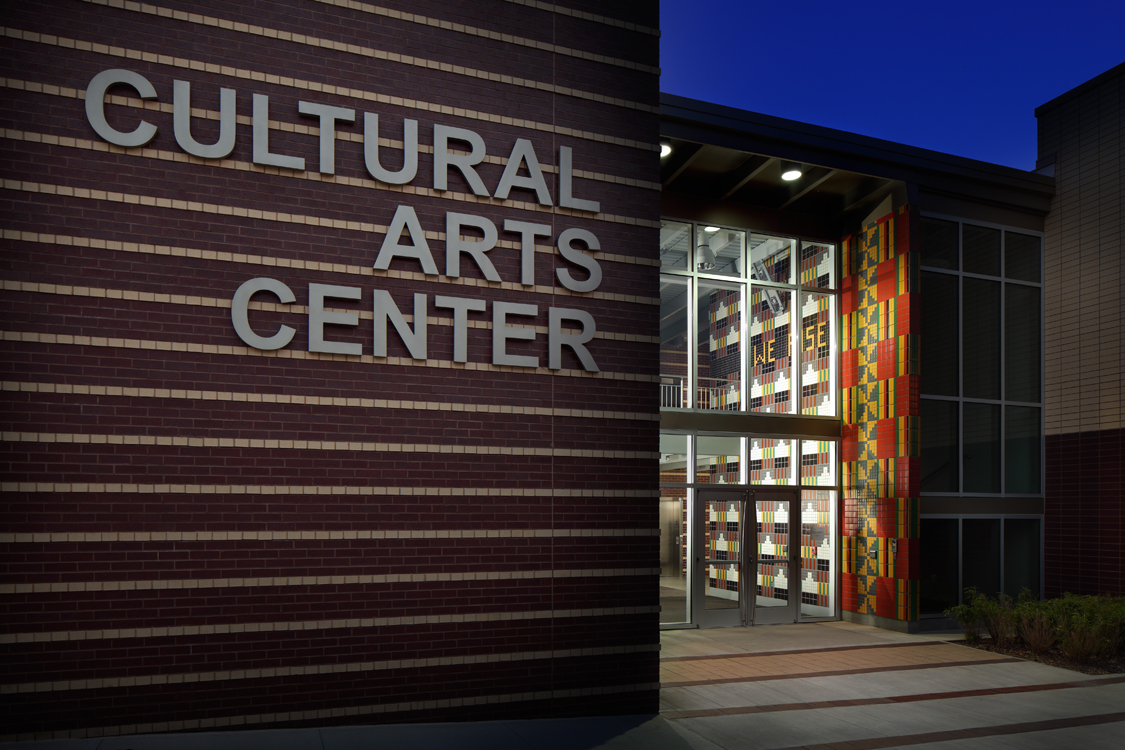
Tom Tolliver recalls the Lyric’s revitalization and how his early doubts gave way to support for its return. This 4:59 WUKY feature draws on his 2015 Nunn Center oral-history interview.
WUKY Saving Stories · Broadcast October 31, 2025. Edited radio feature with oral-history excerpts and presenter commentary.
Explore Tolliver’s listening guide in the audio archive ↗
Founded in 1968, the Urban League of Lexington-Fayette County continues the pursuit of economic and educational equity. Its Deweese Street address connects the neighborhood to an ongoing institutional history.
The neighborhood’s names, individual business histories, and changing streetscape invite further research. The street-name origin and popular nicknames are not established in the sources presented here.
Freedom & Civil Rights
Lexington resident · Born enslaved in Maryland
Charlotte Dupuy challenged her enslavement while held by Henry Clay, a prominent Kentucky political leader. Born around 1787 in Maryland, she was brought to Lexington and married Aaron Dupuy. Their children were Mary and Charles.
In 1829, while the family was in Washington, D.C., Charlotte petitioned the federal circuit court for freedom. Her claim invoked her mother’s status and an earlier promise of freedom. The court rejected the petition. Her legal action nevertheless preserves the record of a woman asserting a right that slavery denied.
Clay emancipated Charlotte and Mary in 1840, and Charles in 1844. This was separate from the unsuccessful lawsuit. The family appears in Lexington’s 1860 census as free people. Charlotte’s death date is not securely documented.
Links open in a new tab so you can return to this profile.
Freedom & Civil Rights
Lexington native · Author and abolitionist
Born enslaved in Lexington in 1814, William Wells Brown became an abolitionist, lecturer, and author after escaping slavery in 1834. His autobiographical Narrative of William W. Brown, an American Slave appeared in 1847.
Brown’s Clotel; or, The President’s Daughter was published in London in 1853 and is recognized as the first novel published by an African American. His writing also encompassed drama and Black history. The Escape; or, A Leap for Freedom appeared in 1858.
His work connects a Lexington beginning to the transatlantic campaign against slavery. Reading the original narrative alongside a modern institutional biography lets visitors hear his account while understanding its historical setting.
Links open in a new tab so you can return to this profile.
Freedom & Civil Rights
Listen to Audrey in the audio archive ↗
Lexington native · Educator and organizer
Audrey Grevious (1930–2017) combined a career in education with sustained civil-rights work in Lexington. She taught and served as principal at Kentucky Village, and became a leader of the local NAACP.
During the 1960s, Grevious worked with the Congress of Racial Equality and its Lexington president, Julia Lewis. Their collaboration brought organizations together in efforts to desegregate businesses, employment, and public life. Grevious’s own recollections describe both the work and the resistance organizers faced.
The University of Kentucky’s oral-history collection preserves her testimony. An interview is a particularly valuable way to approach this history: the organizer explains the decisions, relationships, and everyday persistence behind the public milestones.
Links open in a new tab so you can return to this profile.
Civic Leadership
Listen to Harry in the audio archive ↗
Lexington civic leader · Born in Mississippi
Harry Nash Sykes (1927–2012) was a mathematics teacher, basketball coach, and public official. Before his Lexington career, he graduated from Kentucky State and played with the Harlem Globetrotters. At Dunbar High School, he worked with generations of students.
In 1963, Sykes became the first African American elected to Lexington’s governing body. He was reelected and served as mayor pro tem from 1967 to 1969. His 1971 mayoral campaign extended the struggle for representation into another arena.
Sykes helped establish the Urban League of Lexington in 1968 and served as its first president. His legacy joins education, economic opportunity, and the practical work of building institutions that could serve the community.
Links open in a new tab so you can return to this profile.
Arts & Culture
Lexington native · Sculptor and educator
Isaac Scott Hathaway (1872–1967) was born in Lexington and developed a career as a sculptor and teacher. His work in sculpture and ceramics took him to institutions beyond Kentucky, including Tuskegee.
Hathaway became the first African American to design a United States coin. His commemorative half-dollar designs honored Booker T. Washington and, later, George Washington Carver with Washington. They placed Black achievement on an object that could circulate through American public life.
The coin shown here is an artifact of that work, rather than a portrait of Hathaway. Look at its lettering and map: design can communicate a civic ideal as well as commemorate an individual.

Links open in a new tab so you can return to this profile.
Arts & Culture
Lexington community figure · LGBTQ+ history
Sweet Evening Breeze (1892–1983) was a widely remembered Lexington figure whose life is an important part of the city’s LGBTQ+ history. Known affectionately as “Sweets,” she lived on Prall Street and became a visible presence in local community life.
The Faulkner Morgan Archive preserves photographs and stories about her. These records help visitors consider gender expression, belonging, and the people who created space for themselves in a city where acceptance was not guaranteed.
This page follows the Archive’s name and pronouns. Its linked collection offers historical photographs and fuller context. The accompanying graphic is a contemporary interpretation of visibility and performance, not a reconstruction of her appearance.
Links open in a new tab so you can return to this profile.
Racing
Chilesburg, Fayette County native · International jockey
James “Jimmy” Winkfield (1882–1974) was born in Chilesburg, in Fayette County. He won the Kentucky Derby on His Eminence in 1901 and on Alan-a-Dale in 1902, becoming one of the race’s few consecutive winners.
Winkfield built an international career as racial discrimination restricted opportunities for Black jockeys in the United States. He rode in Russia and later worked in France. His life shows that Kentucky’s racing history extends across national borders.
Inducted into the National Museum of Racing’s Hall of Fame in 2004, Winkfield is remembered for both his riding achievements and the larger history of exclusion in the sport. The photograph shows him on Bahadur at Deauville in 1922.
Links open in a new tab so you can return to this profile.
Modern Athletics
Lexington native · University of Kentucky alumnus
Dermontti Dawson, born in Lexington in 1965, played football at the University of Kentucky before joining the Pittsburgh Steelers in 1988. He became a leading center, a position responsible for starting the play and anchoring the offensive line.
Dawson’s Steelers career ran through 2000. He earned seven Pro Bowl selections and six first-team All-Pro selections. His technique and mobility helped redefine expectations for the position.
His 2012 Pro Football Hall of Fame induction connects Lexington’s sporting history to professional football. The original field graphic emphasizes his position and jersey number; it is not an archival photograph.
Links open in a new tab so you can return to this profile.
Medicine & Education
Lexington native · Physician, teacher, and advocate
Mary Ellen Britton (1855–1925) was a Lexington educator, journalist, physician, and advocate for racial equality and women’s voting rights. Her public life joined the classroom, the newspaper, and the provision of medical care.
She helped establish the Kentucky Negro Education Association in 1877. Community work included the Lexington Woman’s Improvement Club and the Ladies Orphan Society, associated with the Colored Orphan Industrial Home founded in 1892.
Fayette County Public Schools records her medical licensure in 1902. A Lexington middle school bearing her name opened in August 2025. Her sister, Julia Britton Hooks, also built a distinguished career in education and music. Their biographies should be read separately: teaching roles at Berea are sometimes conflated.
Links open in a new tab so you can return to this profile.
Arts & Culture
Lexington native · Composer and conductor
Julia Perry (1924–1979) was born in Lexington and became a composer, conductor, singer, and teacher. She studied at Westminster Choir College and later worked in Europe with Luigi Dallapiccola and Nadia Boulanger.
Her music encompasses concert works, chamber music, and vocal writing. It offers another route into Black cultural history: the ambitions and experiments of an artist whose work deserves a place in the repertoire.
In 2021, the Lexington Philharmonic presented Sorrow, Strength, & Love at the Lyric, with performances in the Community Room and Main Hall. The conversation already included on this page offers further context from Dr. Yvonne Giles, Whit Whitaker, and Dr. Kendra Preston Leonard.
Links open in a new tab so you can return to this profile.
Freedom & Civil Rights
Lewis: Lexington connection · Harriet: Kentucky connection
Lewis and Harriet Hayden escaped slavery in Kentucky with Harriet’s son Joseph in 1844. Their departure from Lexington was assisted by Calvin Fairbank and Delia Webster. They eventually established a home in Boston.
Their house on Phillips Street became a major refuge for freedom seekers in the 1850s. Lewis worked with the Boston Vigilance Committee, recruited Black soldiers during the Civil War, and served in the Massachusetts legislature. Harriet’s food, shelter, and protection were central to the household’s abolitionist work.
Their story places family action and everyday care alongside public organizing. Lewis’s early life is associated with Lexington; Harriet was born enslaved in Kentucky. The linked National Park Service biographies help distinguish their individual lives.
Links open in a new tab so you can return to this profile.
Arts & Culture
Lexington native · East End roots
Pianist and vocalist Les McCann (1935–2023) grew up in Lexington’s East End. Following military service, he developed his career in California, where Les McCann Ltd. became part of the Los Angeles jazz scene.
McCann brought jazz into conversation with soul, funk, and electronic instruments. The 1969 Montreux performance of Gene McDaniels’s “Compared to What,” with Eddie Harris, became a landmark recording. His creativity also included painting and photography.
The NAMM interview on this page was recorded in 2015. Hearing McCann speak adds a personal voice to the chronology. Visit the dedicated music exhibit above for the clip, listening guide, and fuller source notes.
Links open in a new tab so you can return to this profile.
Racing
Lexington career · Kentucky Association racetrack
Isaac Murphy (1861–1896) became the first jockey to win the Kentucky Derby three times. His victories in 1884, 1890, and 1891 established a lasting place in American racing history.
His career had a direct Lexington connection. University of Kentucky educational material identifies his first win at the Kentucky Association racetrack in September 1876. The historical trading card shown here records the fame he achieved in his own lifetime.
Murphy entered the Racing Hall of Fame in 1955. Surviving accounts give different career totals and winning percentages; this page emphasizes the verified Derby victories rather than treating a disputed statistic as settled.
Links open in a new tab so you can return to this profile.
Racing
Kentucky racing history · Lexington connection
Oliver Lewis rode Aristides to victory in the first Kentucky Derby in 1875. His achievement belongs at the beginning of the race’s history, alongside the work of Black trainers and other horsemen.
Kentucky Historical Society materials place that victory within a wider record of African American participation in racing. The sport’s early success depended on expertise often overlooked in later popular accounts.
The Derby milestone is well documented. Some details of Lewis’s early biography are less consistently reported, so this profile avoids an unsupported birth chronology. Follow the racing exhibit and institutional sources to explore the people behind the first Derby.
Links open in a new tab so you can return to this profile.
Civic Leadership
Lexington native · Education and local government
Robert Ross “Jeff” Jefferson (1932–2022) was a Lexington civil-rights advocate and public official. He attended Constitution School and Dunbar High School and studied at Kentucky State University.
Jefferson worked for school desegregation and served in Lexington-Fayette’s merged government. His public work connected educational opportunity with the decisions made in council chambers and public budgets.
His sister was civil-rights organizer Audrey Grevious. Their lives show how family networks could sustain civic action across different institutions. Local reporting and the family obituary provide a starting point for studying his service.
Links open in a new tab so you can return to this profile.
Medicine & Education
Lexington pharmacist · Born in Franklin County
William Henry Ballard Sr. (1862–1954) was a pharmacist, educator, and historian. He moved to Lexington as a young man, earned a pharmacy degree in Evanston, Illinois, in 1892, and opened Ballard Pharmacy in 1893.
His community work extended beyond the pharmacy. He was associated with Greenwood Cemetery and Domestic Realty and helped preserve the history of Prince Hall Freemasonry in Kentucky.
Ballard’s biography illustrates the overlap between professional work and institution building. He was a pharmacist; accounts that describe him as a physician can confuse his career with those of his sons, who practiced medicine.
Links open in a new tab so you can return to this profile.
Medicine & Education
Lexington native · Physician and musician
Dr. Bush Alexander Hunter was a Lexington physician whose career joined medical practice with a wider life in music and community service. He studied at Hampton, Oberlin, and Howard, and served during World War I.
From 1926 to 1976 he practiced medicine on North Upper Street, in the same location used by his father, Dr. John Hunter. UK Libraries identifies him as the first African American admitted to the Fayette County Medical Society.
The Hunter Foundation for Health Care grew from the family’s legacy of service. Its records offer a route into the history of community health, professional barriers, and the institutions built to expand access to care.
Links open in a new tab so you can return to this profile.
Medicine & Education
Fayette County roots · Lexington educator
John Henry Jackson (1850–1930) was born enslaved in Fayette County and became an educator. He studied at Berea and worked in Lexington’s schools before leading the institution now known as Kentucky State University.
Kentucky State was authorized in 1886 and opened in Frankfort on October 11, 1887, with Jackson as its first president. These are separate milestones: legislative creation and the beginning of classes.
Jackson also participated in the statewide organization of Black educators. His career links Lexington’s school history to the building of a public institution for teacher preparation and broader educational opportunity.
Links open in a new tab so you can return to this profile.
Arts & Culture
Lexington native · Journalist and pianist
Dan Burley (1907–1962) was born in Lexington and moved with his family to Chicago in 1915. He became a journalist, editor, pianist, and broadcaster whose work connected Black music and popular language.
His Handbook of Harlem Jive appeared in 1944. As a musician he recorded with the Skiffle Boys in the 1940s; as an editor and broadcaster he helped shape the circulation of Black cultural expression.
Burley’s career provides a bridge between print culture and performance. The linked Metropolitan Museum record identifies the handbook as a designed cultural artifact, while UK Libraries summarizes the broader range of his work.
Links open in a new tab so you can return to this profile.
Civic Leadership
Lexington-based organizer · Born in Richmond, Kentucky
Jim Embry, born in Richmond, Kentucky, in 1949, is an environmental and food-justice organizer with a strong Lexington connection. He founded the Sustainable Communities Network in 2006.
His work connects gardening, food systems, ecological education, and community participation. It also reaches beyond Lexington through collaborations such as the Ujamaa Cooperative Farming Alliance and Slow Food.
In 2023, the James Beard Foundation recognized Embry with a Leadership Award. His story extends this page into living culture: the work of caring for land and building opportunities for people continues today.
Links open in a new tab so you can return to this profile.
Modern Athletics
Lexington native · International sprinter
Tyson Gay, born in Lexington in 1982, became an internationally recognized sprinter. At the 2007 World Championships in Osaka, he won gold in the 100 meters, 200 meters, and 4 × 100-meter relay.
World Athletics records his 100-meter personal best of 9.69 seconds, set in Shanghai on September 20, 2009. His record places Lexington within the history of elite track and field.
The World Athletics profile provides official performances and competition results. It is the best place to compare events and dates, rather than relying on a timeless ranking such as “second fastest,” which can obscure ties and changing records.
Links open in a new tab so you can return to this profile.
Racing
Lexington native · Jockey and trainer
Edward Dudley Brown (1850–1906) was born in Lexington and was enslaved at Woodburn Farm. He became a successful jockey before developing a distinguished career as a trainer.
Brown rode Kingfisher to victory in the 1870 Belmont Stakes. As a trainer, he prepared Baden-Baden, ridden by Billy Walker, to win the 1877 Kentucky Derby. He also developed prominent horses including Hindoo and Spendthrift.
His life broadens the racing story beyond the jockey alone. Training, judgment, and the long work of preparing horses were essential to the victories celebrated on race day. Brown was inducted into the Racing Hall of Fame in 1984.
Links open in a new tab so you can return to this profile.
Arts & Culture
Wider Kentucky · Frankfort native
George C. Wolfe is a playwright and director from Frankfort, Kentucky. His Kentucky upbringing belongs in the wider regional story surrounding Lexington, rather than being presented as a Lexington birthplace.
Wolfe’s Broadway work includes directing Angels in America: Millennium Approaches and Bring in ’da Noise, Bring in ’da Funk. His career has brought Black history, performance, and theatrical invention to major stages.
The Internet Broadway Database provides production and award records. Frankfort Independent Schools’ Hall of Fame documents his hometown connection. Together they connect an artist’s beginnings with the public record of his work.
Links open in a new tab so you can return to this profile.
Arts & Culture
Wider Kentucky · Pike County poet
Effie Waller Smith (1879–1960) was a poet and teacher from Pike County, Kentucky. She studied at the Kentucky Normal School for Colored Persons in Frankfort and published Songs of the Months in 1904 and Rhymes from the Cumberland in 1909.
Her writing brings an Appalachian voice into the broader history of Black Kentucky literature. The Carnegie Center in Lexington inducted her into its Kentucky Writers Hall of Fame in 2015.
The Carnegie Center’s account also explains a correction to older bibliographies: Rosemary and Pansies was written by a different Effie Smith. Follow the institutional research when comparing older summaries.
Links open in a new tab so you can return to this profile.
Medicine & Education
Wider Kentucky · Mary Britton’s sister
Julia Britton Hooks (1852–1942) was an educator and musician born in Frankfort. Her sister was Lexington physician and educator Mary Ellen Britton.
At Berea College, Hooks studied and taught music, becoming an early Black faculty member. Her later work in Memphis combined musical instruction, education, and community service.
Her life connects Kentucky’s educational history to a wider regional story. This profile identifies those connections separately rather than treating a family connection to Lexington as a Lexington birthplace.
Links open in a new tab so you can return to this profile.
Civic Leadership
Wider Kentucky · Lexington center bears his name
Charles Young (1864–1922) was born in Mays Lick, Kentucky. He became a soldier and diplomat, and was the first Black national park superintendent.
Young’s service linked military leadership with public stewardship. Long remembered as Colonel Young, he was posthumously promoted to brigadier general in 2021.
The Charles Young Center and park on East Third Street provide a distinct Lexington connection. The center’s building and community history can be explored through its National Register documentation and the local African American heritage walking tour.
Links open in a new tab so you can return to this profile.
Racing
Wider Bluegrass · Woodford County native
William “Billy” Walker was born enslaved in Woodford County in 1860. He rode Baden-Baden to victory in the 1877 Kentucky Derby, with Edward Dudley Brown as trainer.
Walker’s racing career began while he was young. After retiring from riding, he remained involved in the sport as an adviser with deep knowledge of horses and pedigrees.
His biography belongs to the wider Bluegrass racing network. The Kentucky Historical Society and Churchill Downs records help connect the celebrated Derby ride to a longer life of expertise.
Links open in a new tab so you can return to this profile.
A chronology of action
These selected milestones connect individual lives. Choose a date to open the related biography and its sources.
Hear the organizer
Listen to her account of civil-rights organizing in the University of Kentucky’s oral-history collection.
Open the oral history ↗Watch a living legacy
KET’s Connections explores the Sustainable Communities Network, food, and community with Embry.
Watch the KET / PBS interview ↗Read an original voice
Explore his 1847 narrative in UNC’s Documenting the American South collection.
Read the digitized narrative ↗Hear the voices of civil-rights organizers, civic leaders, neighbors, and a musician’s family in short WUKY features drawn from UK’s oral-history collections. The recordings open here, in a listening room on the Lyric website.
Edited radio features · Written listening guides · Original archive credits
 Context photograph
Civil rights
Organizing for change
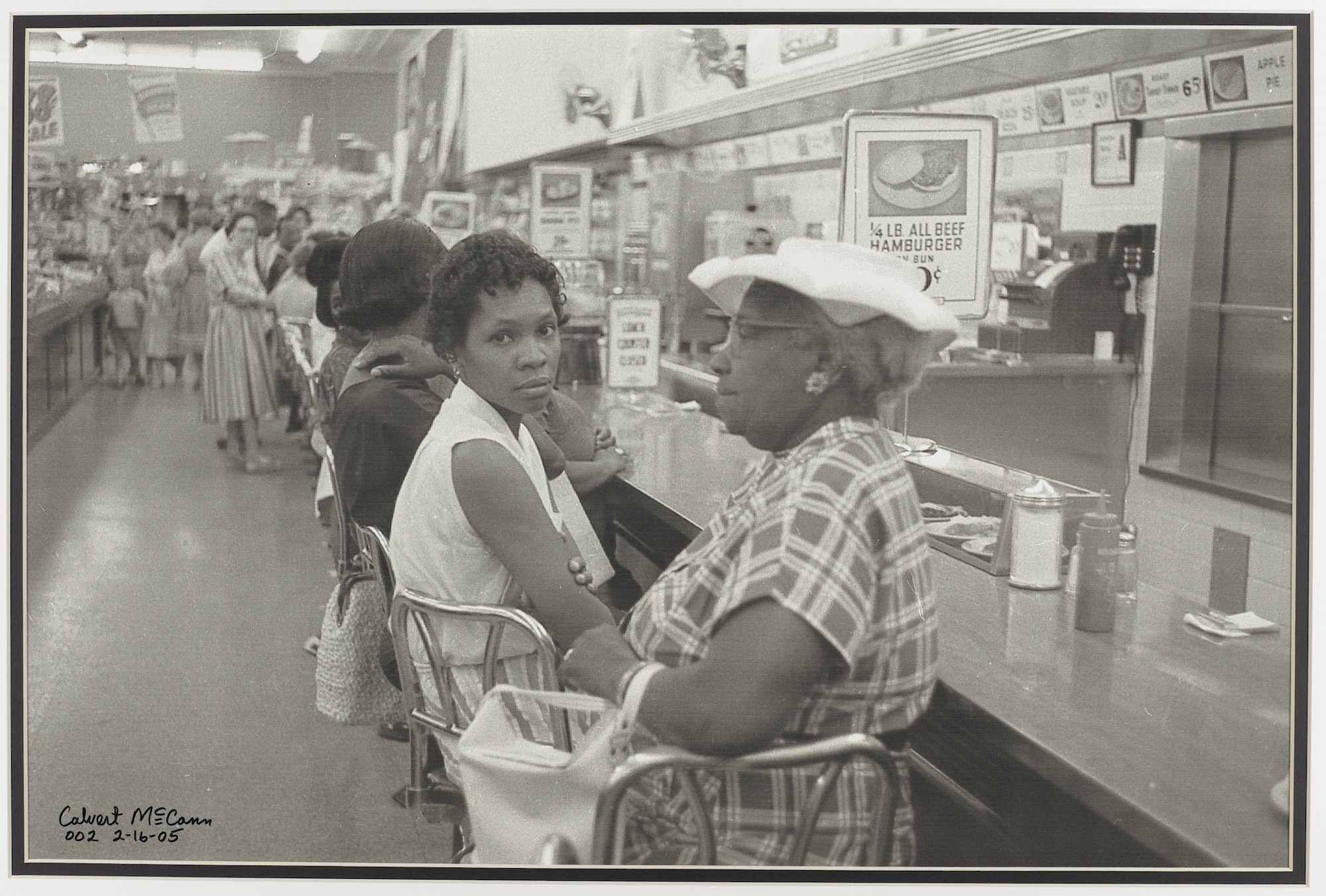
Hear Lexington educator and civil-rights organizer Audrey Grevious recall demonstrations and lunch-counter sit-ins in the early 1960s.
 The Lyric Theatre
Neighborhood life
Bringing the Lyric back to life
East End activist and journalist Tom Tolliver recalls the Lyric’s revitalization, including how his early doubts gave way to support for its return.
Civic leadership
Passing the baton
Hear longtime Urban League of Lexington leader P.G. Peeples reflect on opportunity, community leadership, and the responsibility to prepare another generation.
 Recorded voice
Horse industry
From the barn to the trainer’s stand
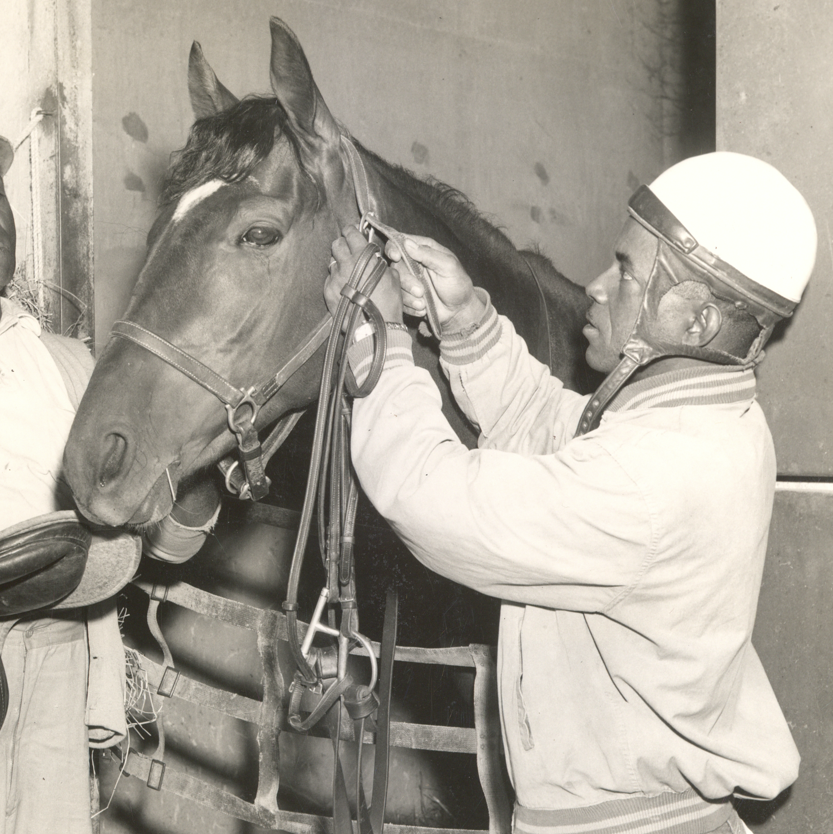
Oscar Dishman Jr. recalls his rise from grooming and exercise riding to training racehorses, and the racial barriers that shaped his career.
Leadership & lasting opportunity · 1945–2026
Porter Geneal “P.G.” Peeples Sr. helped shape Lexington’s pursuit of economic and educational equity. Born in Lynch, Kentucky, he earned a UK education degree in 1968 and taught in Fayette County before leading the Urban League.
His work connected affordable housing, employment, education, and the next generation of community leaders.
Appointed executive director, Peeples went on to serve as president and CEO through 2026.
The League began its housing work by rehabilitating four Chestnut Street homes for first-time buyers.
He helped establish the Fayette County Public Schools Equity Council and chaired it for eight years.
His leadership supported workforce development and computer literacy, including a partnership with the Coach Tubby Smith Foundation.
Start with five minutes
WUKY’s “Passing the baton” brings together excerpts from his 1993 and 2013 interviews.
The full conversation · 2 hours, 25 minutes
The February 2, 1993 interview opens here with the Nunn Center’s original audio player and searchable synchronized transcript. Search a topic or choose a timestamp to follow the conversation.
Interviewer: Terry L. Birdwhistell · Interview 1993oh054_ul030. The full transcript is provided by UK; the short feature has an editorial listening guide.
Urban League: Peeples’s life and achievements ↗
WUKY: Passing the baton ↗
Nunn Center: Original interview and transcript ↗
Civil rights · Lexington
Organizing for change
Hear Lexington educator and civil-rights organizer Audrey Grevious recall demonstrations and lunch-counter sit-ins in the early 1960s.
A written introduction to the recording, not a verbatim transcript.
WUKY’s feature includes oral-history excerpts and presenter commentary. The Nunn Center preserves the original oral-history material. An interview’s memories reflect the speaker’s perspective.
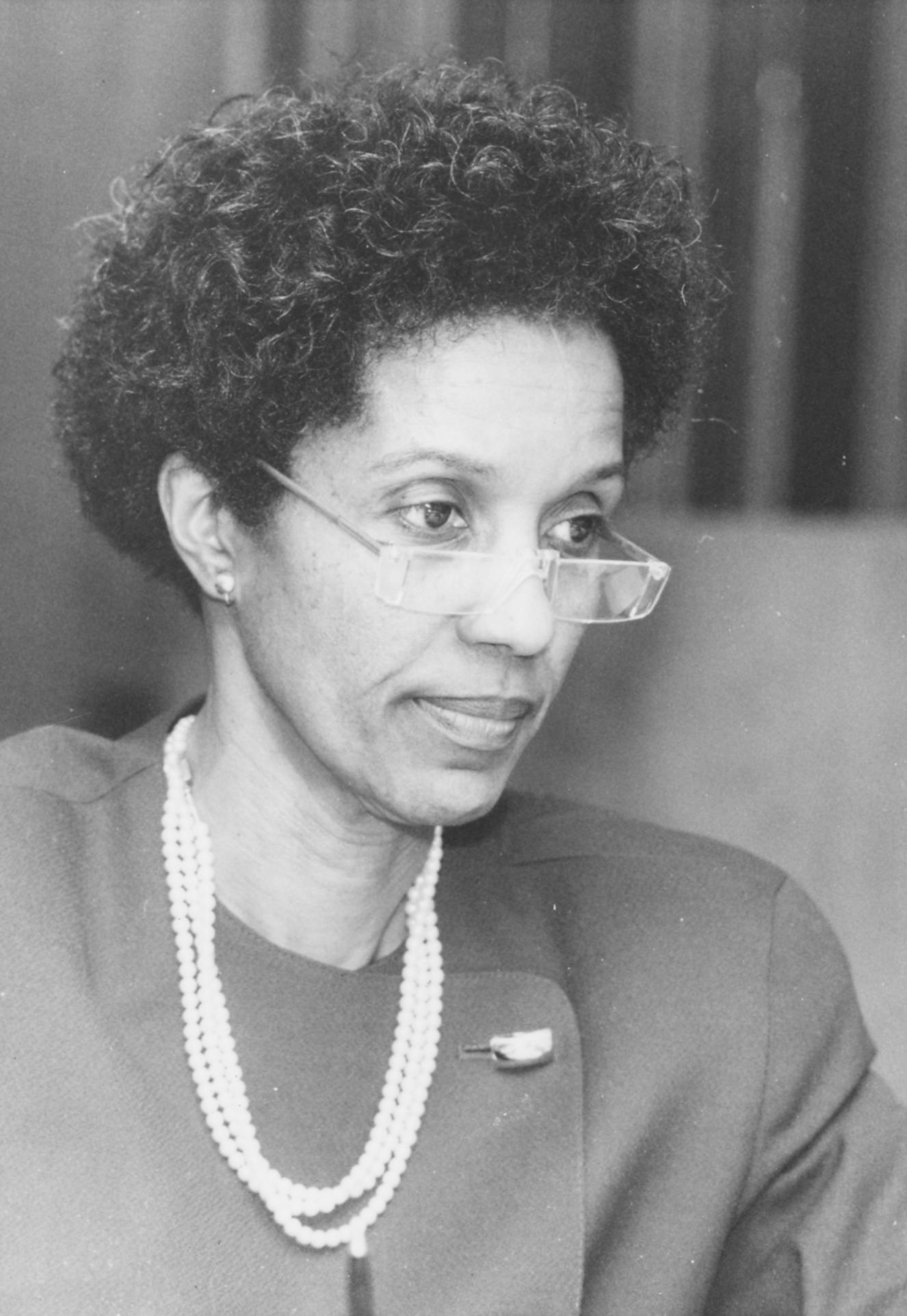
Education · Lexington
Leading through education
Meet a Lexington educator who became Fayette County Public Schools’ first Black deputy superintendent and the first Black woman appointed to UK’s Board of Trustees.
A written introduction to the recording, not a verbatim transcript.
WUKY’s feature includes oral-history excerpts and presenter commentary. The Nunn Center preserves the original oral-history material. An interview’s memories reflect the speaker’s perspective.

Education · University of Kentucky
Inside an integrated classroom
Logan recalls racism he encountered as a Black student at the University of Kentucky in 1951, after the university’s desegregation.
A written introduction to the recording, not a verbatim transcript.
WUKY’s feature includes oral-history excerpts and presenter commentary. The Nunn Center preserves the original oral-history material. An interview’s memories reflect the speaker’s perspective.
Civic leadership · Lexington
A voice in city government
Listen to the story of Harry Sykes’s election as Lexington’s first Black council member in 1963, told through archival audio and historical context.
A written introduction to the recording, not a verbatim transcript.
WUKY’s feature includes oral-history excerpts and presenter commentary. The Nunn Center preserves the original oral-history material. An interview’s memories reflect the speaker’s perspective.
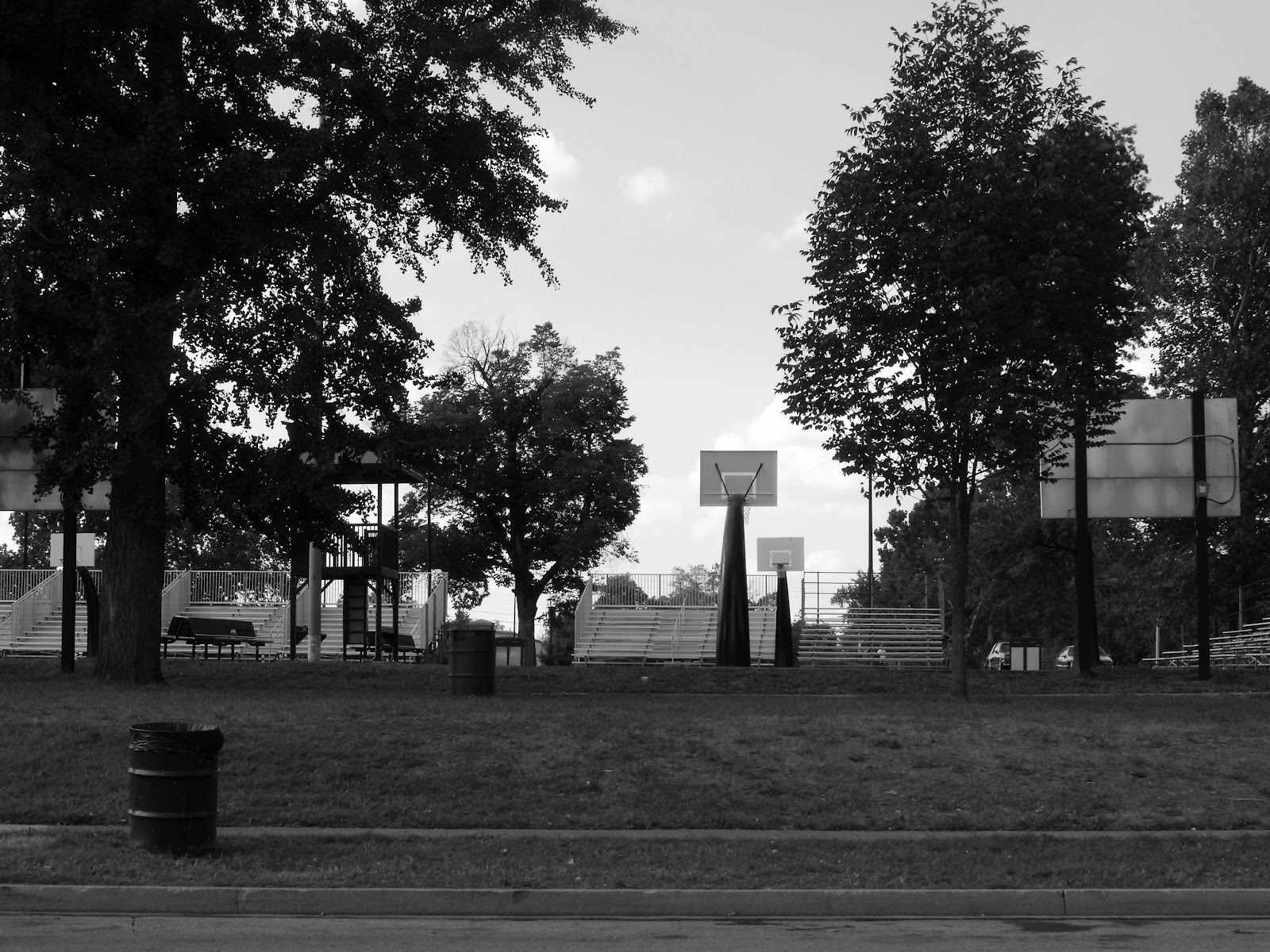
Neighborhood life · Douglass Park
Remembering Douglass Park
James O. Jones recalls Douglass Park, established around 1916 as Lexington’s first park dedicated to African Americans, and the landscape of recreation under segregation.
A written introduction to the recording, not a verbatim transcript.
WUKY’s feature includes oral-history excerpts and presenter commentary. The Nunn Center preserves the original oral-history material. An interview’s memories reflect the speaker’s perspective.
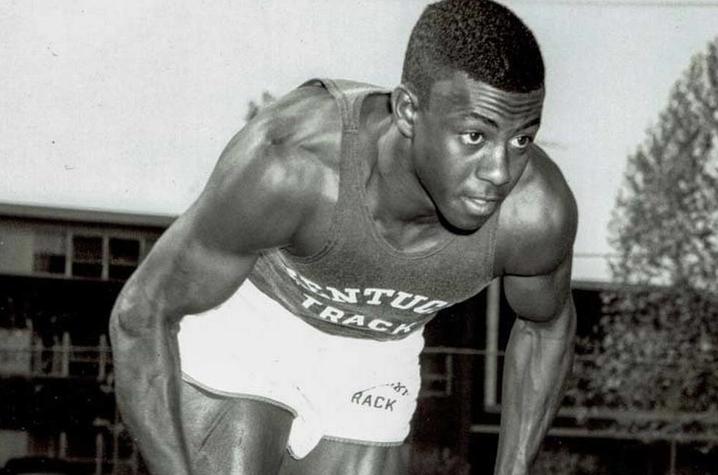
Sports · University of Kentucky
Running through barriers
Hear Jim Green, UK’s first Black student-athlete to graduate, discuss choosing the university, facing racism in the Southeastern Conference, and helping integrate its track program.
A written introduction to the recording, not a verbatim transcript.
WUKY’s feature includes oral-history excerpts and presenter commentary. The Nunn Center preserves the original oral-history material. An interview’s memories reflect the speaker’s perspective.
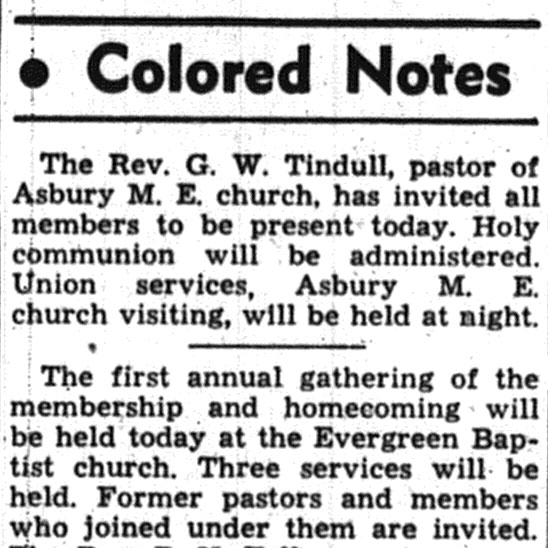
Journalism · Lexington
Whose stories made the news?
Explore segregation in Lexington’s newspapers and the gaps in coverage of Black community life and the civil-rights movement.
A written introduction to the recording, not a verbatim transcript.
WUKY’s feature includes oral-history excerpts and presenter commentary. The Nunn Center preserves the original oral-history material. An interview’s memories reflect the speaker’s perspective.
Horse industry · Bluegrass
From the barn to the trainer’s stand
Oscar Dishman Jr. recalls his rise from grooming and exercise riding to training racehorses, and the racial barriers that shaped his career.
A written introduction to the recording, not a verbatim transcript.
WUKY’s feature includes oral-history excerpts and presenter commentary. The Nunn Center preserves the original oral-history material. An interview’s memories reflect the speaker’s perspective.
Civic leadership · Lexington
Passing the baton
Hear longtime Urban League of Lexington leader P.G. Peeples reflect on opportunity, community leadership, and the responsibility to prepare another generation.
A written introduction to the recording, not a verbatim transcript.
WUKY’s feature includes oral-history excerpts and presenter commentary. The Nunn Center preserves the original oral-history material. An interview’s memories reflect the speaker’s perspective.
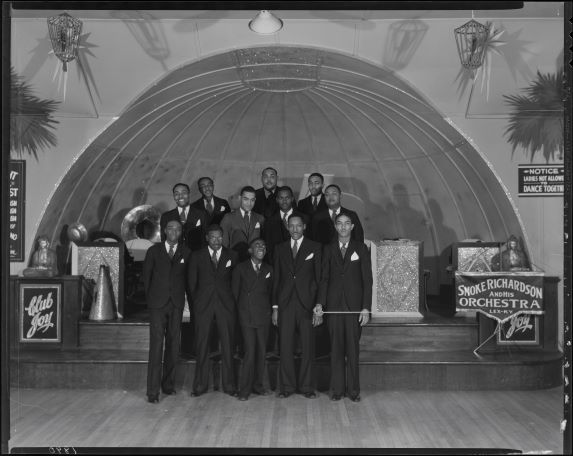
Music · East End
Remembering “Smoke” Richardson
Two voices remember bandleader Saunders “Smoke” Richardson Jr.: East End resident James O. Jones and Richardson’s daughter Saunda. Their stories bring Lexington’s Black music community into focus.
A written introduction to the recording, not a verbatim transcript.
WUKY’s feature includes oral-history excerpts and presenter commentary. The Nunn Center preserves the original oral-history material. An interview’s memories reflect the speaker’s perspective.
Civil rights · Lexington & Kentucky
Remembering the March on Frankfort
Three women remember joining the 1964 March on Frankfort, including Sylvia Jones Harris’s journey from Lexington with Pleasant Green Baptist Church.
A written introduction to the recording, not a verbatim transcript.
WUKY’s feature includes oral-history excerpts and presenter commentary. The Nunn Center preserves the original oral-history material. An interview’s memories reflect the speaker’s perspective.
Neighborhood life · East End
Bringing the Lyric back to life
East End activist and journalist Tom Tolliver recalls the Lyric’s revitalization, including how his early doubts gave way to support for its return.
A written introduction to the recording, not a verbatim transcript.
WUKY’s feature includes oral-history excerpts and presenter commentary. The Nunn Center preserves the original oral-history material. An interview’s memories reflect the speaker’s perspective.
Culture continues here
The Lyric’s story continues through art, performance, learning, and neighbors gathering in the same cultural home.
Meet artists in the gallery, explore education programs, or find your next event. Follow the program pages for current dates and availability.
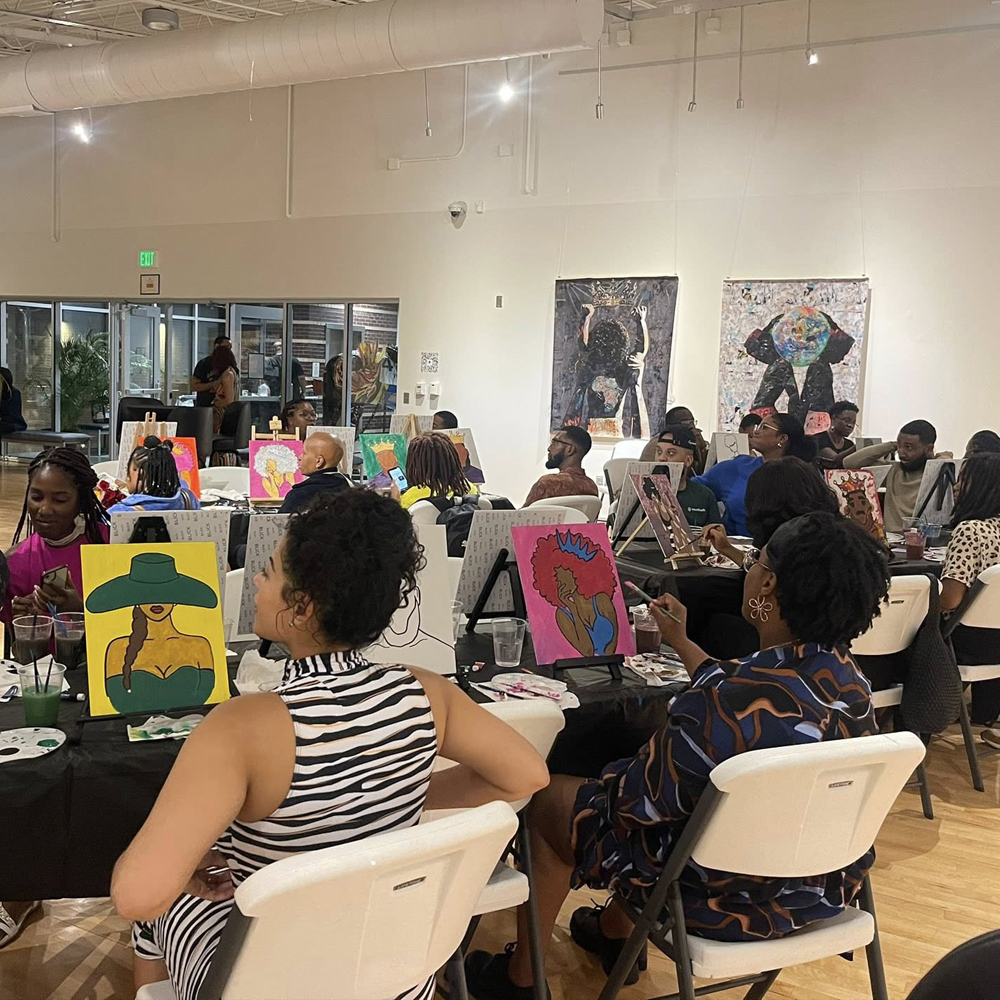
The Lyric’s gallery introduces artists including Jayda Johnson, LJ Bryant, and Charles Rice. Discover their work and the wider roster of exhibiting artists.
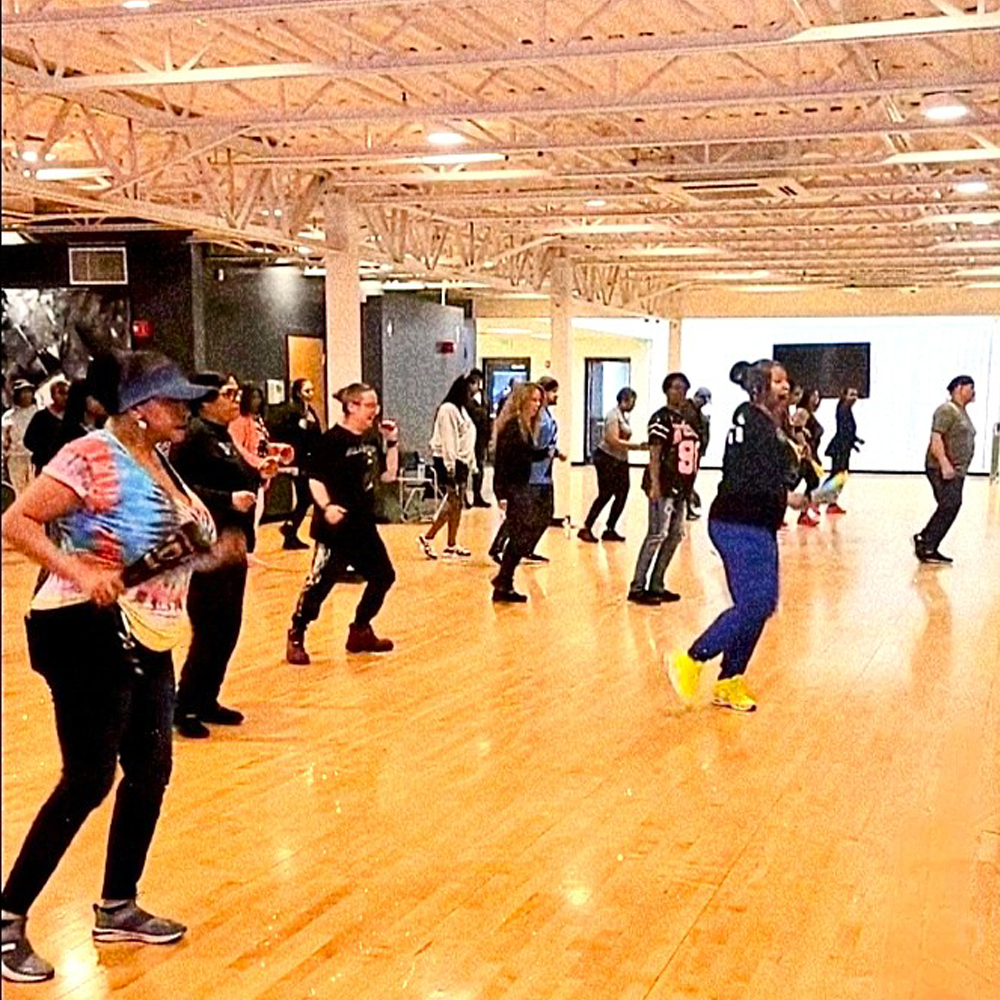
Explore the galleryEducation and community programs make room for creative practice, movement, and expression across generations.
Explore arts educationThe festival traces its beginnings to community leaders organizing cultural and educational programming in 1989 to celebrate the East End.
Follow the festivalCommunity voices · Julia Perry
LexPhil’s Connect: The Life & Music of Julia Perry brings together historian Dr. Yvonne Giles, Whit Whitaker, and Dr. Kendra Preston Leonard. Their discussion connects Perry’s music with the work of remembering and presenting her legacy.
Watch and explore the accompanying biographyLexington Public Library’s 1.7-mile African American heritage walking tour connects Deweese Street, the Lyric, the Charles Young Center, and other historic places.
Open the walking tour and mapBorn in Mays Lick, Kentucky, in 1864, Young became a soldier, diplomat, and the first Black national park superintendent. Remembered as Colonel Young, he was posthumously promoted to brigadier general in 2021.
Open Young’s biography and portrait ↗The Lexington park and community center named for Young offer a separate local story. The National Register record provides a starting point for researching the building, recreation, and community life.
View the National Register recordMake your next connection
Find the Lyric at 300 East Third Street in Lexington. Contact the team for visiting arrangements and accessibility questions.
Plan a visitDiscover performances, community gatherings, and opportunities to take part.
See current eventsRemember a business, a performance, or a neighbor? Tell us the person, place, and approximate year. Contact the team before sending photographs or recordings.
Share your memoryWe welcome leads on Derby Sandwich Shop and Club Hurricane owners, dates, menus, programs, and photographs; the district’s nicknames and street-renaming history; and the lives of trainers, grooms, and other horsemen whose work deserves fuller recognition.
Community memories will be checked alongside records. Photographs and recordings need clear credit and permission before publication. Contacting the team does not automatically publish your contribution.
