

ROOTS &
HERITAGEBorn on Elm Tree Lane
What began on one block in Lexington’s historic East End became one of Kentucky’s enduring celebrations of Black culture, history, music, community and legacy.
Elm Tree Lane
Third → Fourth Street
Background: Historic Lyric Theatre exterior, 1974 · Historic Lyric Theatre website archive. Used here as a geographic anchor; it is not presented as an image of the festival.
Celebrate the East End.
Teach its history.
Bring the community together.
It started with an idea.
Roots & Heritage began when African American activists and community leaders created cultural and educational programming to celebrate the historic East End.
Chester Grundy and Ann Beard—later known as Msiba Ann Grundy—were central founding leaders. University of Kentucky records explicitly identify Chester as a co-founder; institutional and regional accounts document Ann’s long-running organizing role and shared founding leadership. They are part of a wider founding circle whose complete 1989 roster has not yet been recovered.
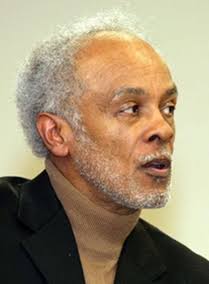 Founding leaderChester GrundyCo-founder; educator, arts advocate and cultural organizer. Photograph supplied by the Lyric project; photographer and original date not yet identified.
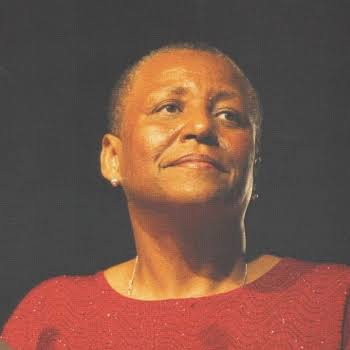 Founding leaderAnn Beard / Msiba Ann GrundyCentral early organizer; educator, storyteller and cultural leader. Photograph supplied by the Lyric project; photographer and original date not yet identified.
A complete roster of the community members who organized the inaugural festival has not yet surfaced. Additional photographs will be added only when provenance and reuse rights are secured.
Catherine Warner.
A cultural catalyst.
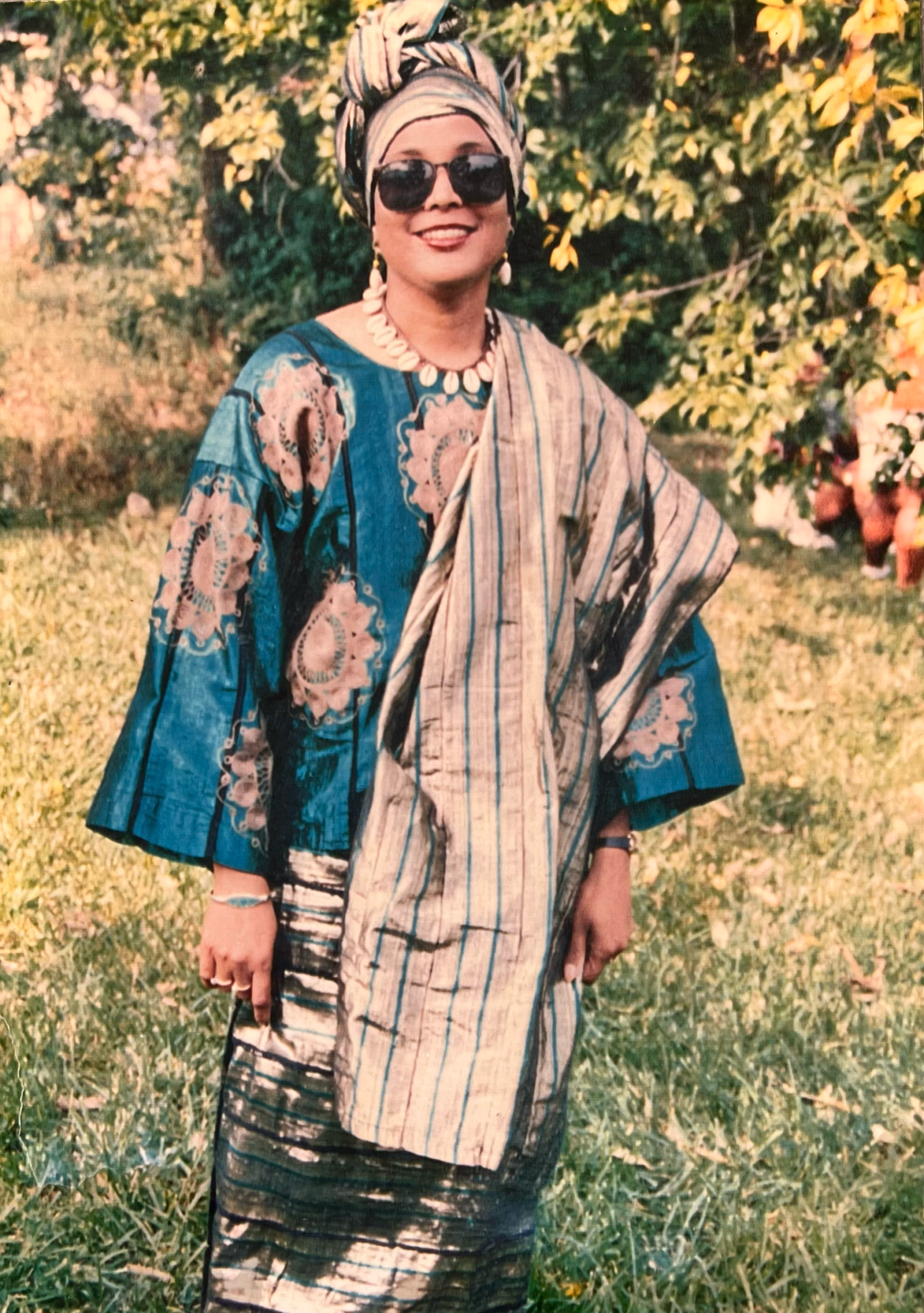
A festival needs people who believe in its purpose and keep that purpose alive. Catherine Warner’s leadership belongs at the heart of the Roots & Heritage story.
A community recollection shared with the Lyric for this exhibition remembers Warner as the person who carried the vision—a “cultural catalyst” whose contribution deserves fuller recognition.
Her own voice connects civil rights and cultural leadership. In a Kentucky Historical Society interview with Betsy Brinson (1999OH01.55), Warner recalls joining Lexington CORE at about fourteen and participating in marches and school sit-ins. She explains how visiting festivals and working with NIA Day Camp inspired her vision for Lexington. As the Ohio–Chestnut Street neighborhood association’s vice president, she developed festival plans with president Ed Holmes. Asked to lead the event, she recruited vendors, sought sponsors and used vacation time from her bank job to organize it. Listen to Catherine Warner and read her transcript →
The contemporary record gives that tribute substance. In its August 25, 2000 report, The Floyd County Times identified Warner as festival chair. She connected the festival’s growth to its original vision and emphasized its importance to the community, especially young people. Read the 2000 report.
“The growth and success of the festival affirms our original vision of this celebration.”— Catherine Warner, festival chair, 2000
Her service also appears in the festival’s later organizational record: its 2024 federal nonprofit filing lists her as past president. The Alpha Beta Lambda chapter’s 2024 Unity Breakfast program records Warner as a 2004 Unity Award recipient, an honor recognizing work that advances Dr. King’s legacy and brings the community together.
Many hands. A shared vision.
Warner’s oral history names Ed Holmes as her planning partner and describes collaborating with Councilman Michael Wilson and Mayor Scotty Baesler to combine resources. She credits Chester Grundy with grant writing and planning, and Ann Beard / Msiba Ann Grundy with cultural guidance and the African Fashion Fair. She also recalls Jim Embry’s neighborhood-history research and Frank Walker and Barbara Rosser’s work on the original logo.
These names broaden the story without closing the circle: the complete roster of the festival’s earliest organizers is still being assembled.
Sources & community memory
- Kentucky Historical Society: Oral History Interview with Catherine Warner, Betsy Brinson, interviewer, 1999OH01.55, Civil Rights Movement in KY. Audio and transcript; Warner’s firsthand account of activism, festival organizing and collaborators.
- The Floyd County Times, August 25, 2000: “Lexington to host Roots Festival.” Contemporary reporting and Warner’s words as festival chair.
- Roots & Heritage Festival Inc., 2024 Form 990-EZ, via ProPublica. Lists Catherine Warner as past president.
- Alpha Beta Lambda, 30th Annual Unity Breakfast program (2024), “Unity Awards,” page 16. Records Warner’s 2004 award and the festival committee’s 1999 award.
- VisitLEX, “Lex Locals”: Chester Grundy. Identifies Grundy as a festival co-founder.
- Community recollection supplied to the Lyric for this exhibition, September 2026: the “cultural catalyst” tribute. Warner’s recorded interview now provides a primary source for her leadership and the collaborators named above.
A neighborhood written into the route.
Elm Tree Lane is not simply where Roots happens. Returning here turns the street into a recurring site of memory, commerce, reunion, performance and Black visibility.
The Lyric and Roots are two cultural institutions occupying the same historic East End landscape. The festival was created by community leaders—not by the Lyric—but the theatre at Third and Elm Tree remains an essential physical anchor.
Present-day map © OpenStreetMap contributors. The Lyric pin uses verified coordinates. Festival geography follows official Roots & Heritage descriptions; the former racetrack label identifies the documented vicinity, not a surveyed historic boundary.
Roots take hold.
One Block. One Day.
Elm Tree Lane between Third and Fourth streets.
Roots Take Hold
Music, food, vendors, literature, performance, education and parade traditions grow together.
A Lexington Institution
The neighborhood celebration expands in scale and regional recognition.
Thirty Years
A milestone for a festival already embedded in Lexington’s cultural life.
The Street Goes Quiet
The normal physical festival is interrupted by COVID-19.
Roots Goes Virtual
For the first time, a born-digital edition carries the tradition beyond the street.
Back Where It Belongs
The first in-person festival since 2019 returns to the Elm Tree corridor.
I AM LEGACY
The 37th festival is scheduled for September 11–13, 2026.
Scroll or swipe to explore. Dates reflect the official festival history, University of Kentucky records and contemporary local reporting reviewed for this exhibition.
The street becomes a stage.
History moves through the neighborhood—bands, dancers, families, organizations and generations claiming public space together.
Festival parade routes have moved through the East End street network, including Fourth, Martin Luther King, Fifth, Race and Third. Exact annual routes should be documented year by year as maps and programs are recovered.

Detail from the official festival image collage. Exact year and photographer credit are not supplied on the source page.

Official festival website image; exact event year and photographer are not identified on the source page.
Can you hear Elm Tree Lane?
The festival’s history is carried in rhythm as much as in records.
Culture circulates here.
Roots is not only a performance program. It is a cultural marketplace, a reunion and an economic platform for independent merchants.
A community—not a celebrity wall.
Founders. Volunteers. Vendors. Performers. Marching bands. Children. Families. Elders. Artists. East End residents.
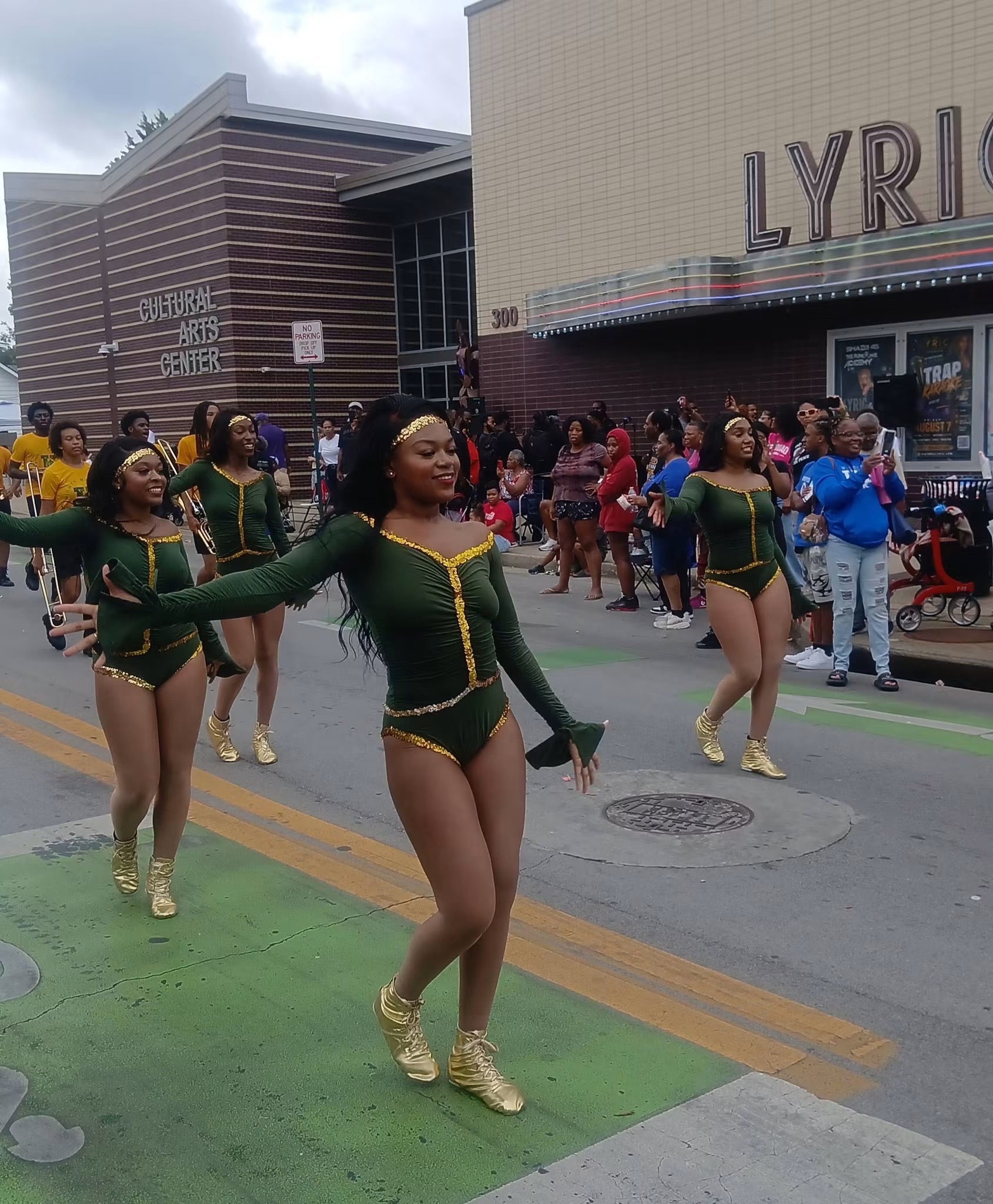
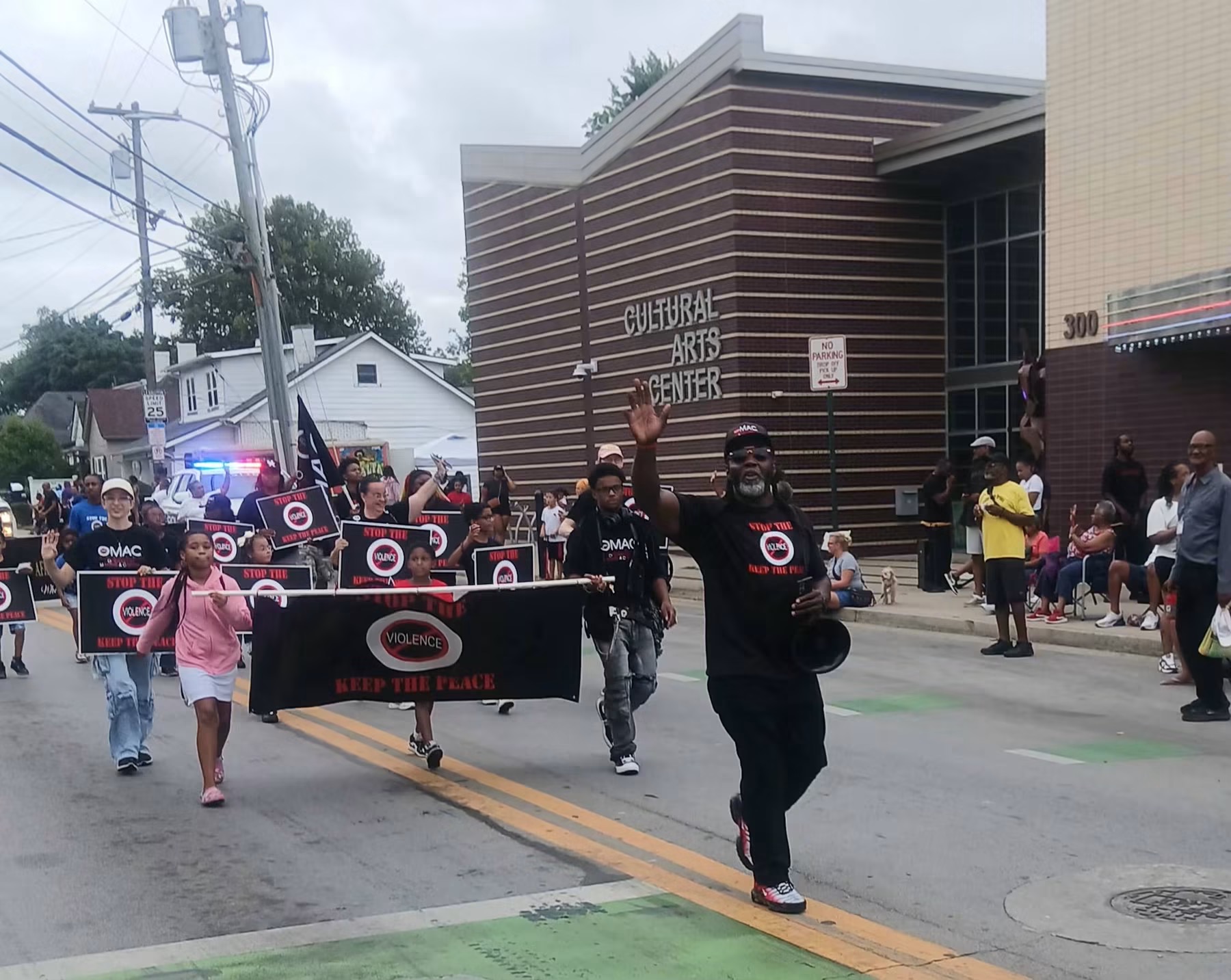
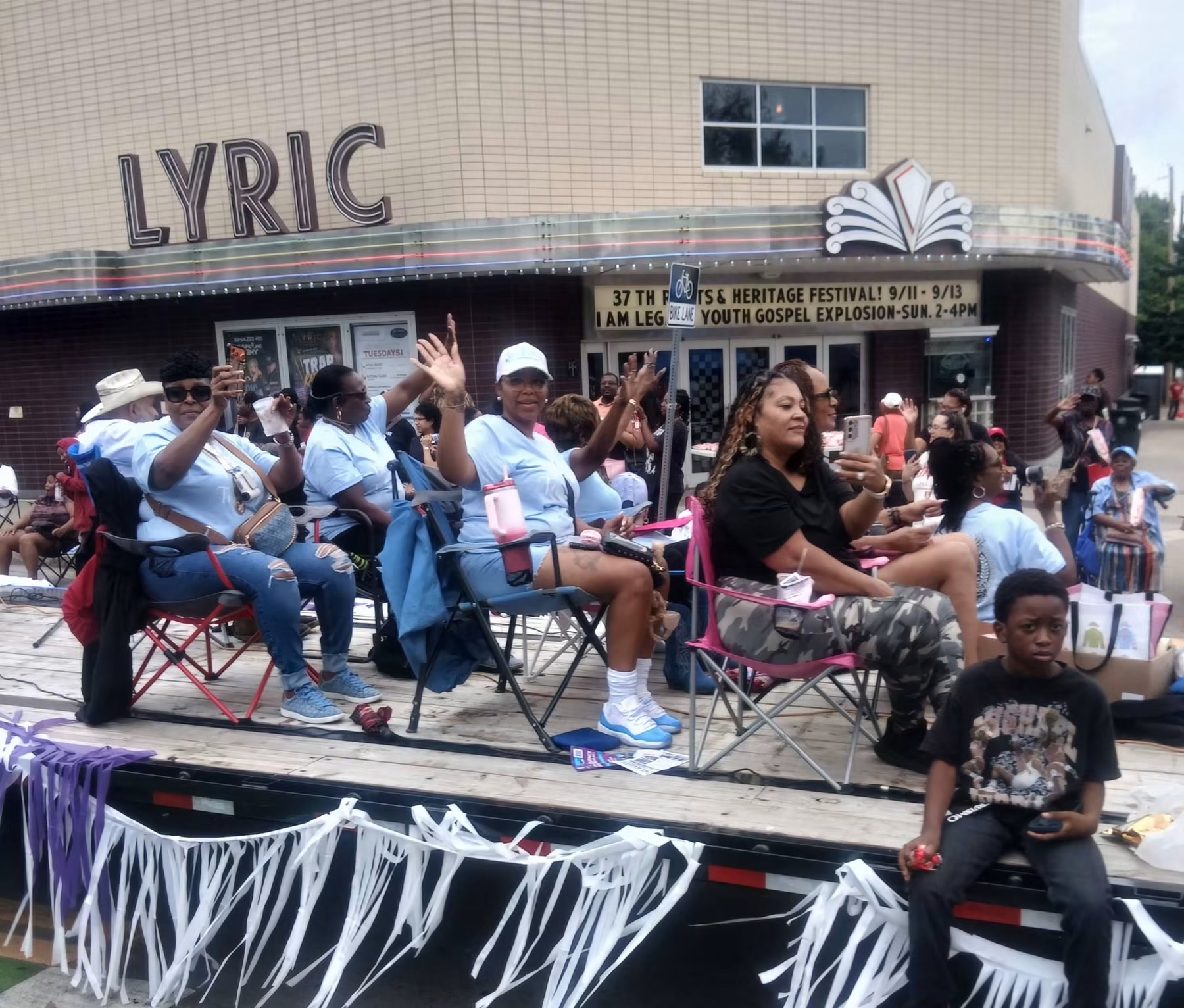
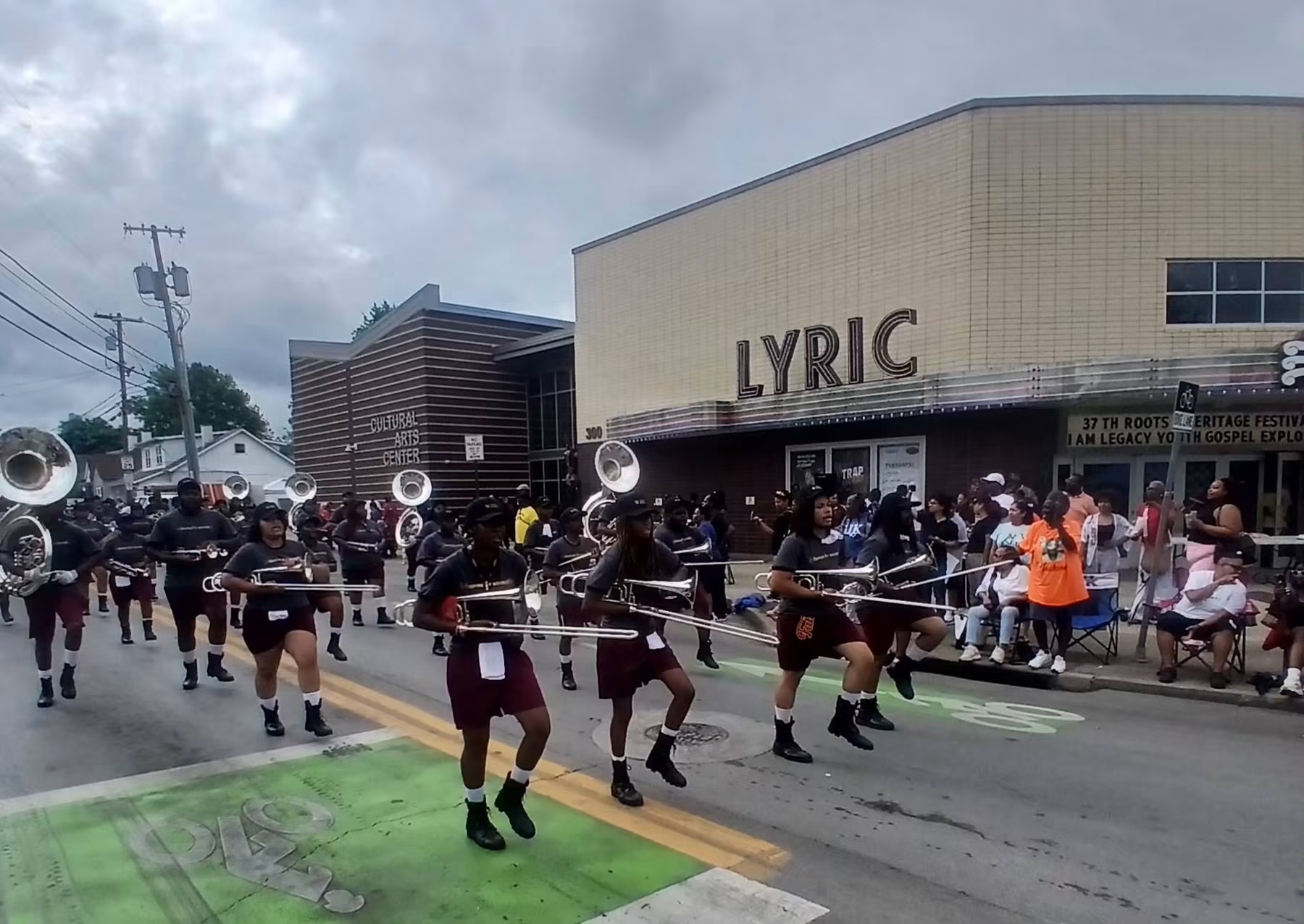
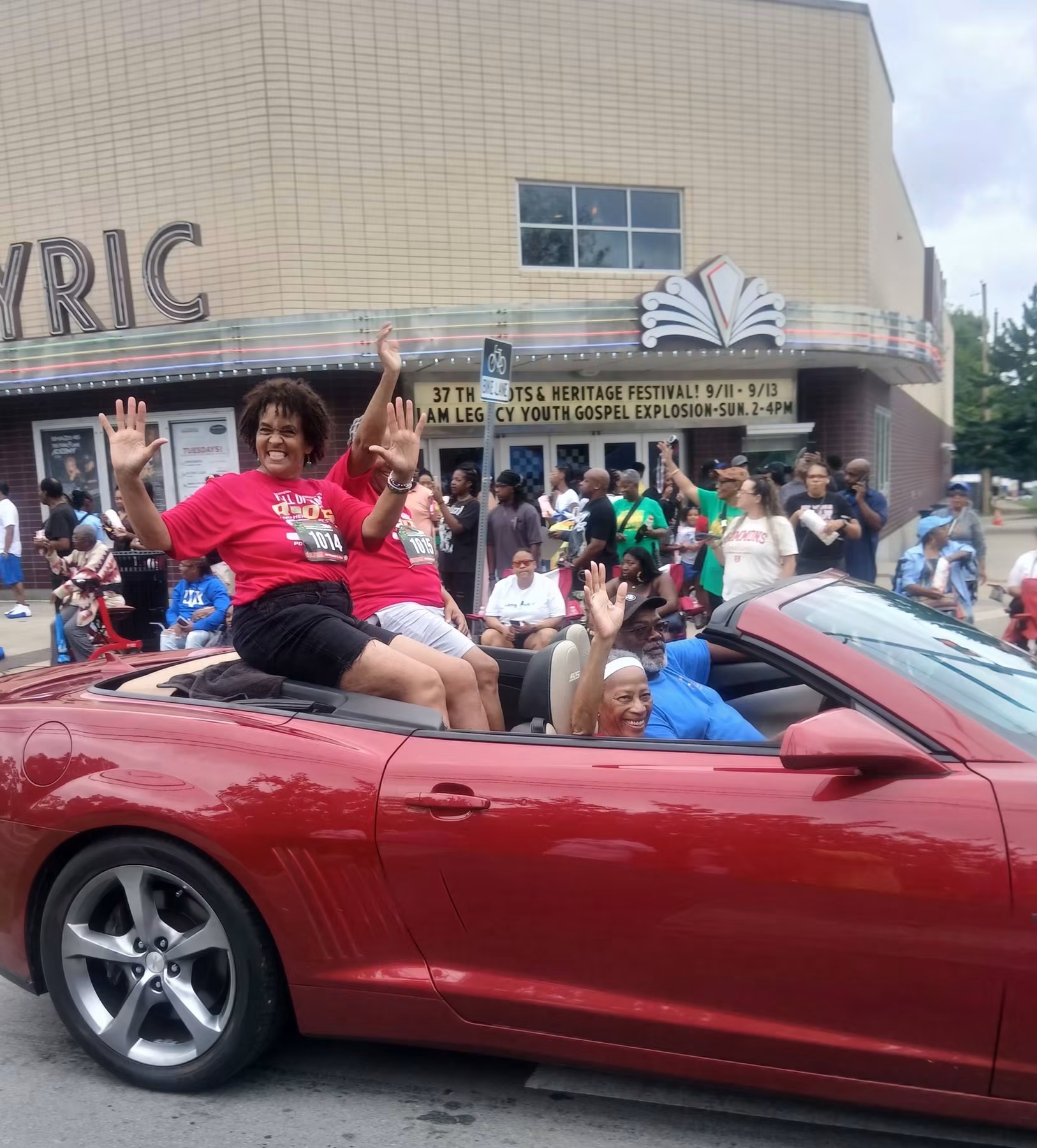
Every future portrait should include a name, year, role or memory, photographer and source. Unknown people should be labeled “Help us identify” rather than guessed.
The archive has blank spaces.
No complete public run of annual Roots posters, programs or T-shirt designs has been verified. Each year keeps its place; missing objects remain visibly missing until originals and rights are secured.
Inaugural artwork not yet recovered.
Poster not yet recovered.
Poster not yet recovered.
Poster not yet recovered.
Poster not yet recovered.
Poster not yet recovered.
Poster not yet recovered.
Poster not yet recovered.
Poster not yet recovered.
10th-year acquisition priority.
Poster not yet recovered.
Poster not yet recovered.
Poster not yet recovered.
Poster not yet recovered.
15th-year acquisition priority.
Poster not yet recovered.
Poster not yet recovered.
Poster not yet recovered.
Poster not yet recovered.
20th-year acquisition priority.
Poster not yet recovered.
Poster not yet recovered.
Official master not verified.
Poster not yet recovered.
25th-year acquisition priority.
Poster not yet recovered.
Poster not yet recovered.
Poster not yet recovered.
Poster not yet recovered.
30th-year press coverage located; poster master unverified.
Poster not yet recovered.
Festival interrupted.
Virtual title card located; original file pending.
“A Destiny of Greatness” master art pending.
Official master not verified.
Official master not verified.
Event art located; source file pending.
I AM LEGACY · official theme; source artwork and designer credit pending.
The normal physical festival did not fill Elm Tree Lane.
A rupture in a tradition defined by gathering in place.
Roots went virtual.
The 32nd festival became a born-digital bridge through the pandemic.
ROOTS RETURNED HOME.
The first in-person edition since 2019 returned to the East End corridor.
I AMLEGACY
Legacy is what survives because a community chooses to carry it forward. The 37th festival is scheduled—not yet part of the completed historical record.

Were you there?
Help preserve the history of Roots. The most important missing objects may still be in family albums, closets, filing cabinets and memories across Lexington.