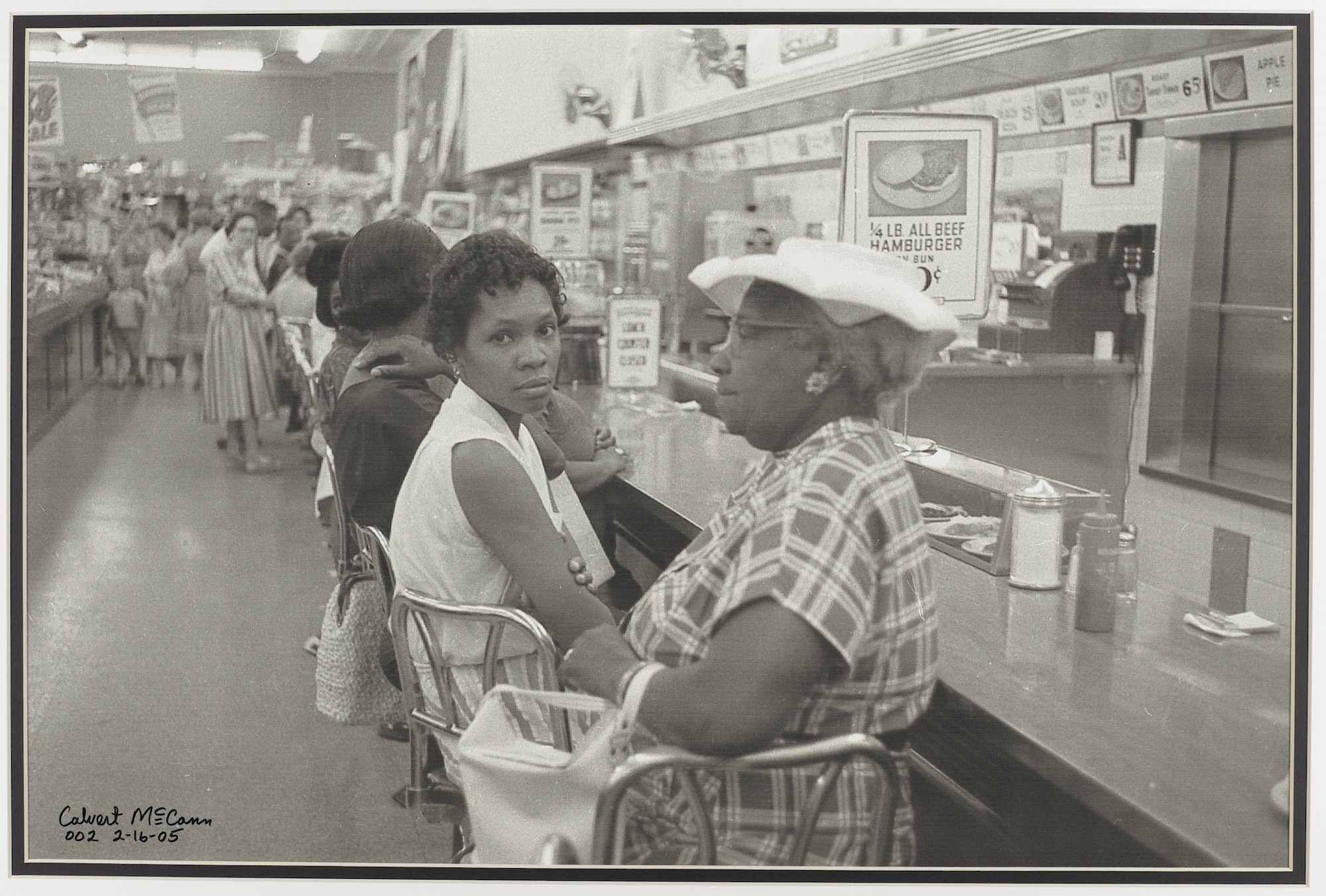
 Context photograph
Civil rights
Audrey Grevious
Organizing for change
Hear Lexington educator and civil-rights organizer Audrey Grevious recall demonstrations and lunch-counter sit-ins in the early 1960s.

Lexington, Kentucky · An archive of voices
History has a voice.
Take a moment to hear it.
Meet the people who changed classrooms, city government, and everyday life. Begin with voices from Black Lexington and Fayette County.
Explore the recordings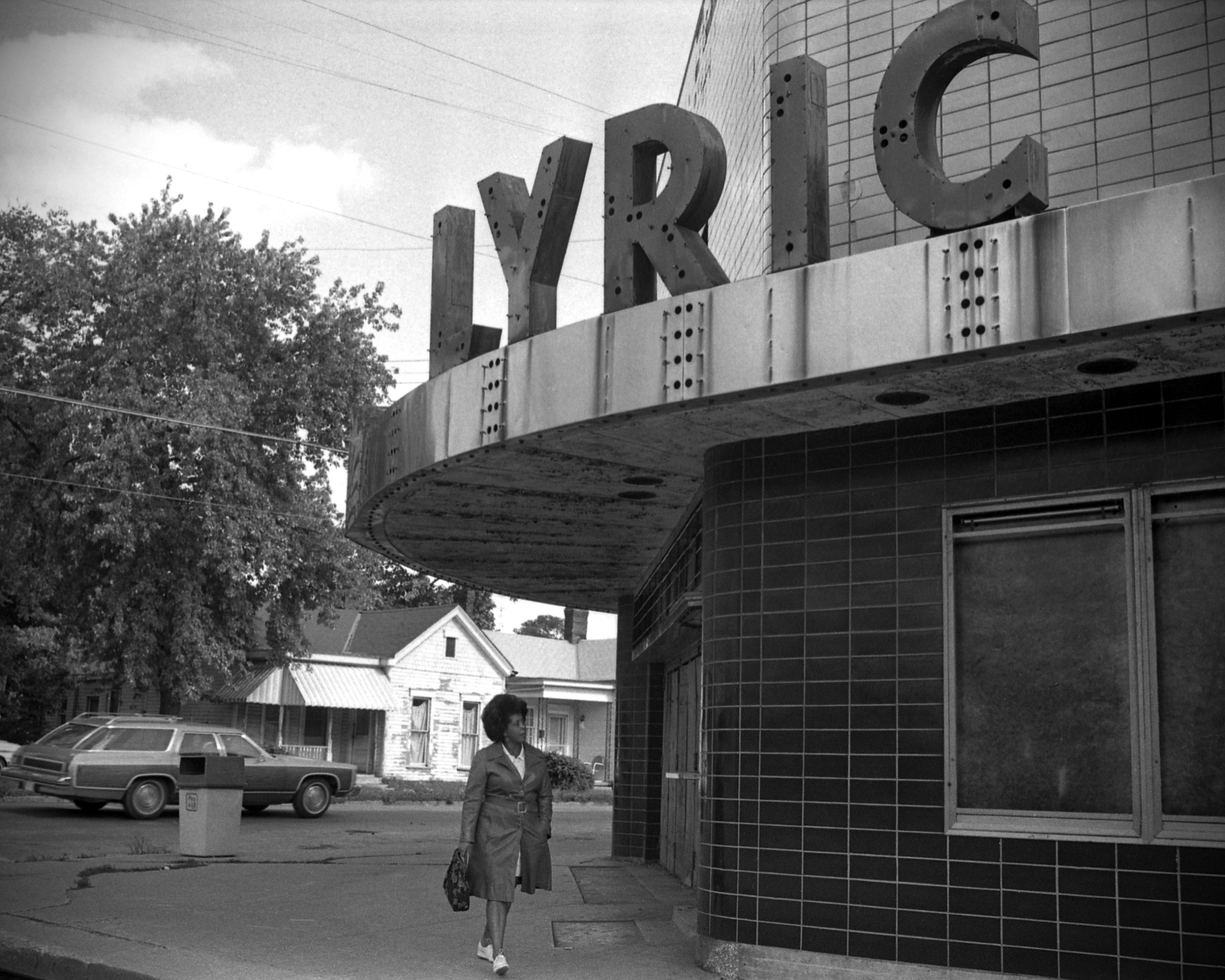
The listening collection
Short features offer a first encounter with the voices in UK’s oral-history collections. Open a recording, settle in, and listen here.
Start here · A five-minute listen
Audrey Grevious remembers organizing for desegregation in downtown Lexington. Hear her voice in this feature drawn from a 1985 oral-history interview.
Context photograph: Calvert McCann / UK Special Collections, as credited by WUKY.
Choose a listening path
12 recordings
Context photographCivil rights
Organizing for change
Hear Lexington educator and civil-rights organizer Audrey Grevious recall demonstrations and lunch-counter sit-ins in the early 1960s.
 Recorded voice
Education
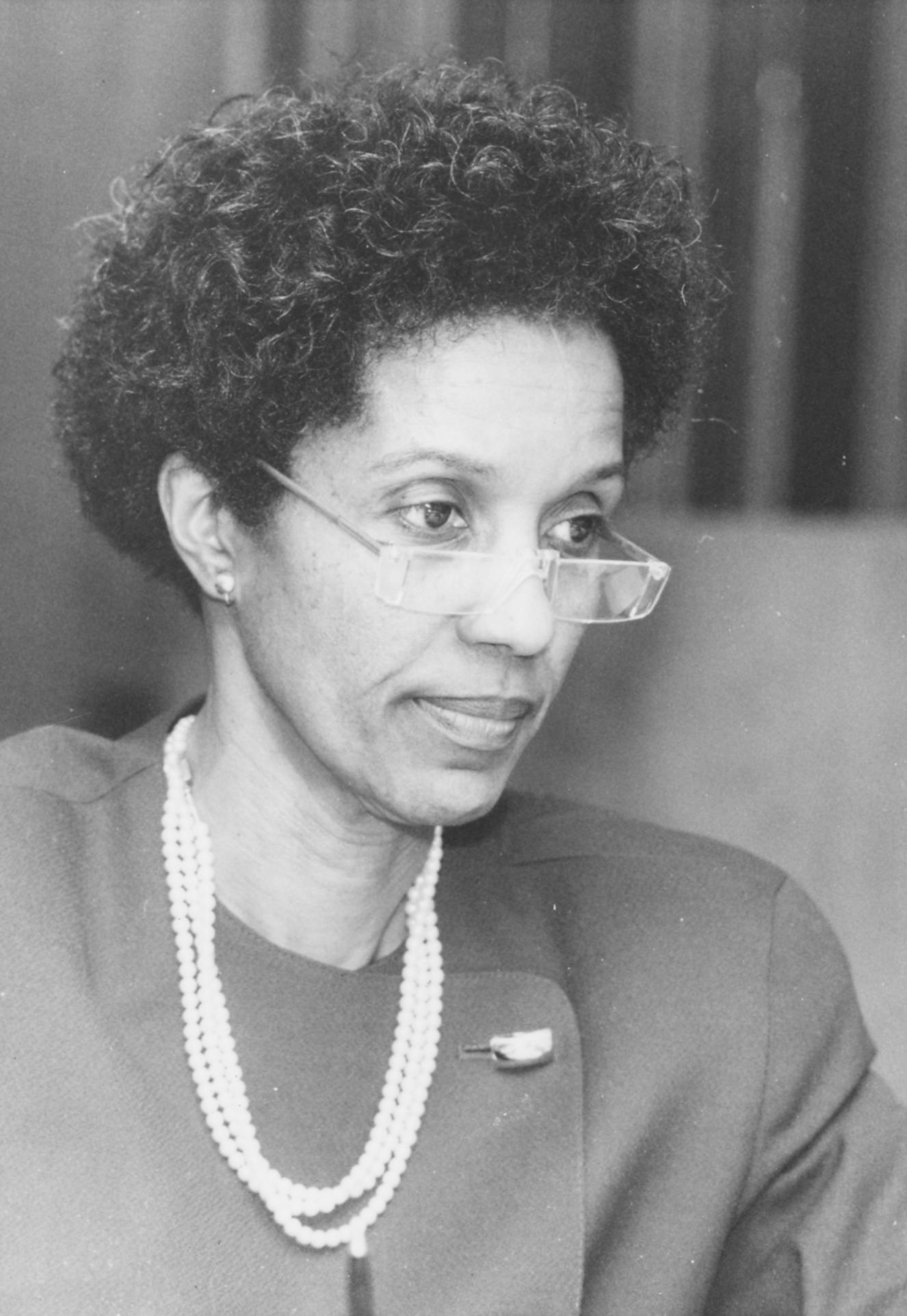
Leading through education
Meet a Lexington educator who became Fayette County Public Schools’ first Black deputy superintendent and the first Black woman appointed to UK’s Board of Trustees.
 Recorded voice
Education
Inside an integrated classroom
Logan recalls racism he encountered as a Black student at the University of Kentucky in 1951, after the university’s desegregation.
 Recorded voice
Civic leadership
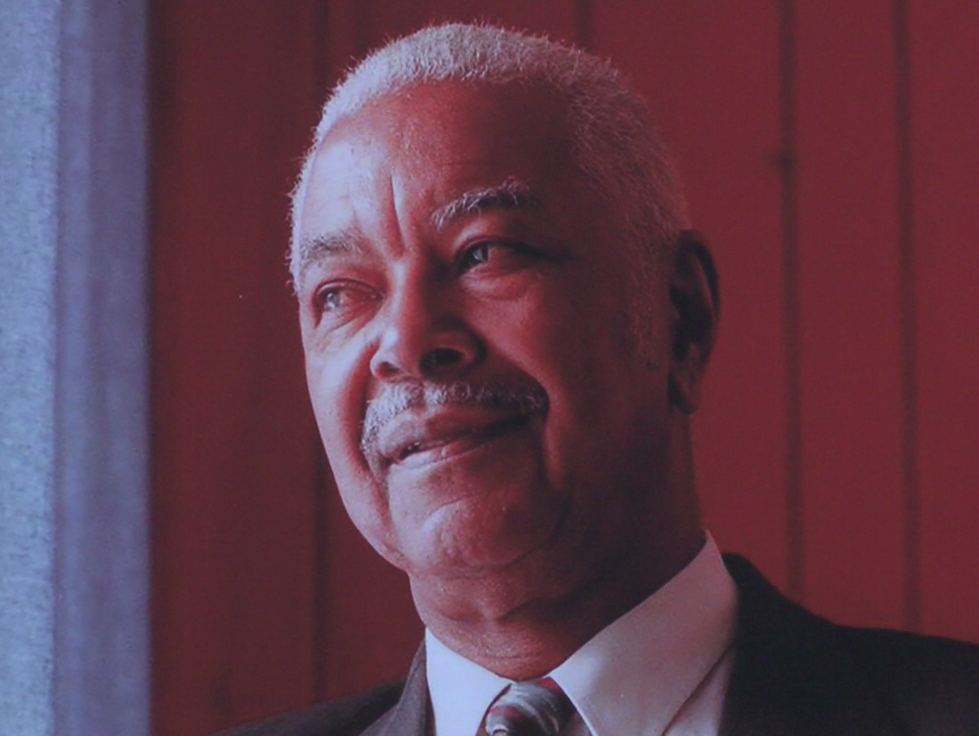
A voice in city government
Listen to the story of Harry Sykes’s election as Lexington’s first Black council member in 1963, told through archival audio and historical context.
 Douglass Park
Neighborhood life
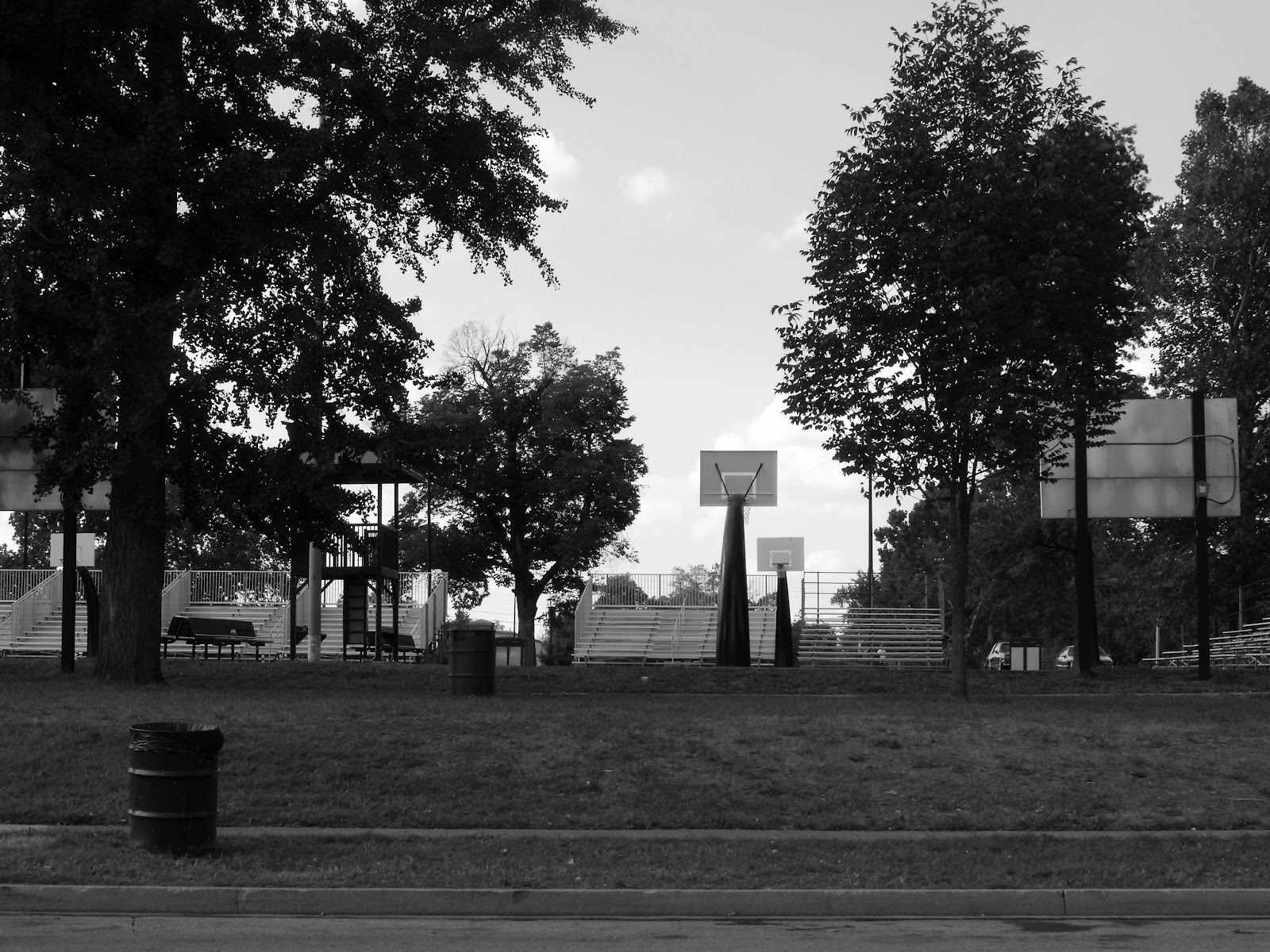
Remembering Douglass Park
James O. Jones recalls Douglass Park, established around 1916 as Lexington’s first park dedicated to African Americans, and the landscape of recreation under segregation.
 Recorded voice
Sports
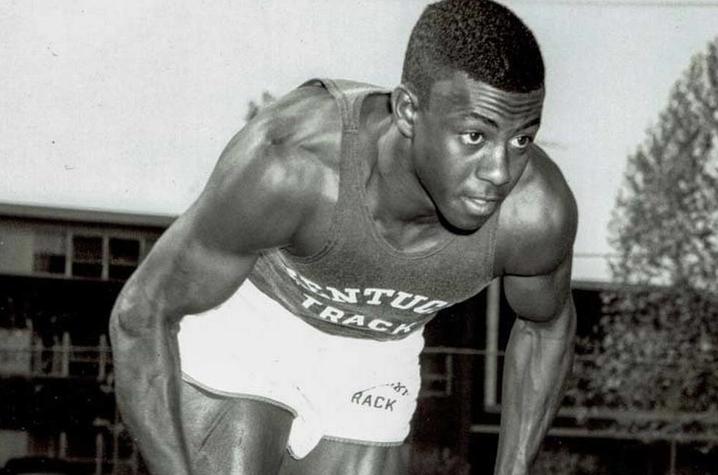
Running through barriers
Hear Jim Green, UK’s first Black student-athlete to graduate, discuss choosing the university, facing racism in the Southeastern Conference, and helping integrate its track program.
 Historical newspaper
Journalism
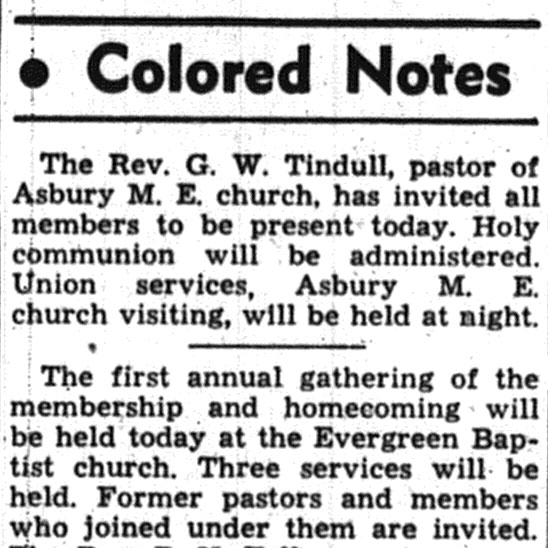
Whose stories made the news?
Explore segregation in Lexington’s newspapers and the gaps in coverage of Black community life and the civil-rights movement.
 Recorded voice
Horse industry
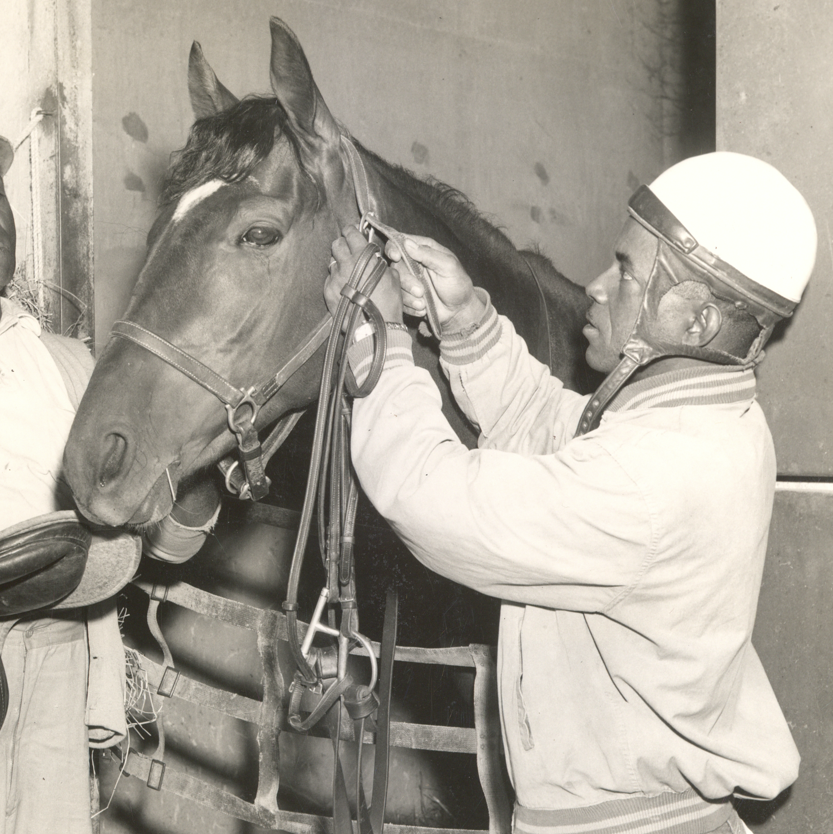
From the barn to the trainer’s stand
Oscar Dishman Jr. recalls his rise from grooming and exercise riding to training racehorses, and the racial barriers that shaped his career.
Civic leadership
Passing the baton
Hear longtime Urban League of Lexington leader P.G. Peeples reflect on opportunity, community leadership, and the responsibility to prepare another generation.
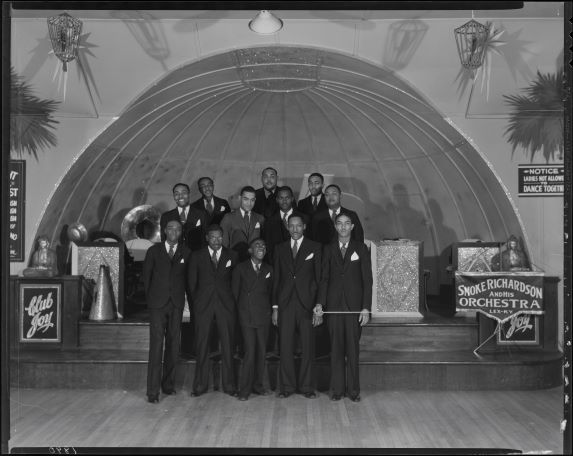 Smoke & his orchestra
Music
Remembering “Smoke” Richardson
Two voices remember bandleader Saunders “Smoke” Richardson Jr.: East End resident James O. Jones and Richardson’s daughter Saunda. Their stories bring Lexington’s Black music community into focus.
 March on Frankfort
Civil rights
Remembering the March on Frankfort
Three women remember joining the 1964 March on Frankfort, including Sylvia Jones Harris’s journey from Lexington with Pleasant Green Baptist Church.
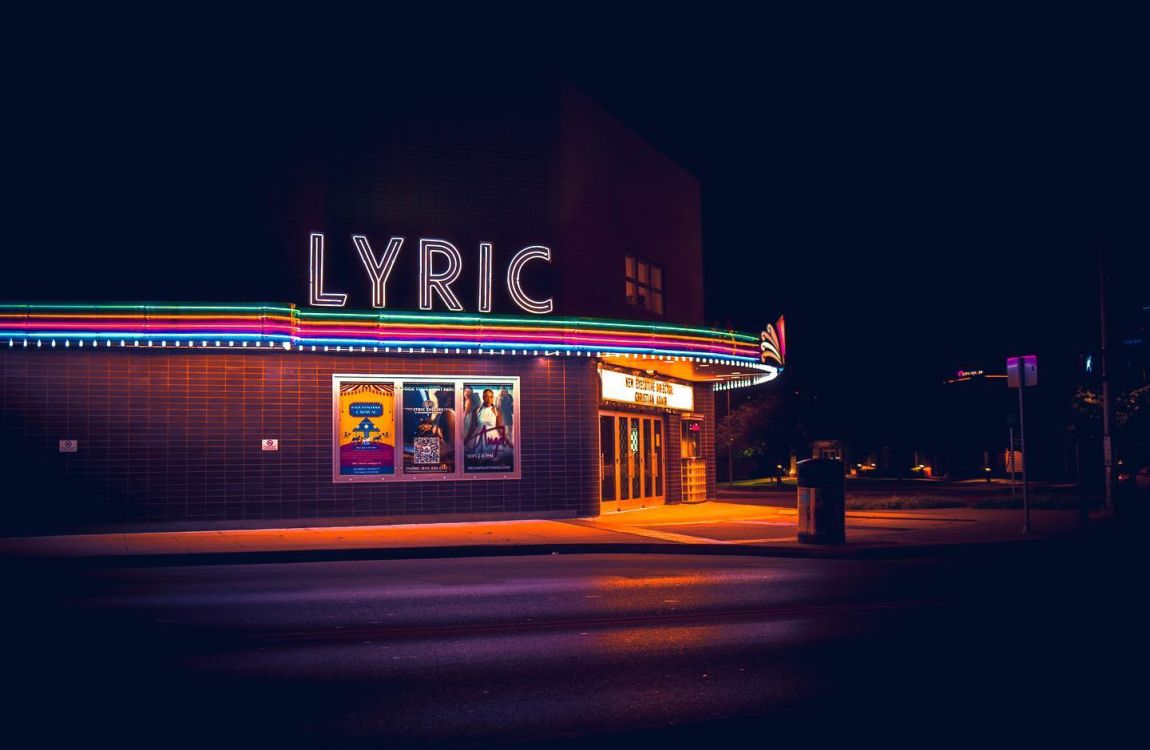 The Lyric Theatre
Neighborhood life
Bringing the Lyric back to life
East End activist and journalist Tom Tolliver recalls the Lyric’s revitalization, including how his early doubts gave way to support for its return.
No recordings match this combination. Choose another theme or select Reset to hear all voices.
These are edited WUKY radio features, not the complete archival interviews. Audio streams from WUKY’s public media host. Each listening room includes the source, image credit, and a written guide. Press Play when you are ready; nothing starts automatically.
Leadership & lasting opportunity · 1945–2026
Porter Geneal “P.G.” Peeples Sr. helped shape Lexington’s pursuit of economic and educational equity. Born in Lynch, Kentucky, he earned a UK education degree in 1968 and taught in Fayette County before leading the Urban League.
His work connected affordable housing, employment, education, and the next generation of community leaders.
Appointed executive director, Peeples went on to serve as president and CEO through 2026.
The League began its housing work by rehabilitating four Chestnut Street homes for first-time buyers.
He helped establish the Fayette County Public Schools Equity Council and chaired it for eight years.
His leadership supported workforce development and computer literacy, including a partnership with the Coach Tubby Smith Foundation.
Start with five minutes
WUKY’s “Passing the baton” brings together excerpts from his 1993 and 2013 interviews.
The full conversation · 2 hours, 25 minutes
The February 2, 1993 interview opens here with the Nunn Center’s original audio player and searchable synchronized transcript. Search a topic or choose a timestamp to follow the conversation.
Interviewer: Terry L. Birdwhistell · Interview 1993oh054_ul030. The full transcript is provided by UK; the short feature has an editorial listening guide.
Urban League: Peeples’s life and achievements ↗
WUKY: Passing the baton ↗
Nunn Center: Original interview and transcript ↗
Keep exploring
Beyond these first recordings, institutions preserve a much larger story. These collection references open in a new tab; the listening players above keep you here.
UK’s Black People in Lexington project includes accounts from educators, builders, laundry workers, and civic leaders. Explore voices such as Harriet Haskins, Taft Oldham, and Mary Muir.
Explore UK’s collection guide ↗The Chronicle of African Americans in the Horse Industry project documents jockeys, breeders, trainers, and grooms. It is a distinct project within UK’s wider equine oral-history work.
Find the equine projects at UK ↗The Henry Faulkner project lists a January 9, 1982 interview with Sweet Evening Breeze herself, recorded by Charles House. Faulkner Morgan Archive offers further LGBTQ+ history and photographs.
Explore the interview record ↗Lexington Public Library’s Kentucky Room preserves local photographs, publications, and community collections. Use its archive to investigate East End, Pralltown, Dunbar, and Fayette County neighborhoods.
Explore the Kentucky Room ↗The Library of Congress’s Kentucky volume preserves written accounts collected from formerly enslaved people. These are edited transcripts; they are not presented here as original sound recordings.
Read about Born in Slavery ↗Know a recorded story about a Lexington neighborhood, school, church, business, or farm? Share the narrator’s name, the recording’s date, and the archive or owner who holds it.
Contact the LyricCollection references are research starting points. Only recordings with verified playback sources appear in the listening collection. Listening guides are editorial summaries, not transcripts. Images remain credited to their original sources; original illustrations are decorative, not measured audio waveforms.
Civil rights · Lexington
Organizing for change
Hear Lexington educator and civil-rights organizer Audrey Grevious recall demonstrations and lunch-counter sit-ins in the early 1960s.
A written introduction to the recording, not a verbatim transcript.
WUKY’s feature includes oral-history excerpts and presenter commentary. The Nunn Center preserves the original oral-history material. An interview’s memories reflect the speaker’s perspective.
Education · Lexington
Leading through education
Meet a Lexington educator who became Fayette County Public Schools’ first Black deputy superintendent and the first Black woman appointed to UK’s Board of Trustees.
A written introduction to the recording, not a verbatim transcript.
WUKY’s feature includes oral-history excerpts and presenter commentary. The Nunn Center preserves the original oral-history material. An interview’s memories reflect the speaker’s perspective.
Education · University of Kentucky
Inside an integrated classroom
Logan recalls racism he encountered as a Black student at the University of Kentucky in 1951, after the university’s desegregation.
A written introduction to the recording, not a verbatim transcript.
WUKY’s feature includes oral-history excerpts and presenter commentary. The Nunn Center preserves the original oral-history material. An interview’s memories reflect the speaker’s perspective.
Civic leadership · Lexington
A voice in city government
Listen to the story of Harry Sykes’s election as Lexington’s first Black council member in 1963, told through archival audio and historical context.
A written introduction to the recording, not a verbatim transcript.
WUKY’s feature includes oral-history excerpts and presenter commentary. The Nunn Center preserves the original oral-history material. An interview’s memories reflect the speaker’s perspective.
Neighborhood life · Douglass Park
Remembering Douglass Park
James O. Jones recalls Douglass Park, established around 1916 as Lexington’s first park dedicated to African Americans, and the landscape of recreation under segregation.
A written introduction to the recording, not a verbatim transcript.
WUKY’s feature includes oral-history excerpts and presenter commentary. The Nunn Center preserves the original oral-history material. An interview’s memories reflect the speaker’s perspective.
Sports · University of Kentucky
Running through barriers
Hear Jim Green, UK’s first Black student-athlete to graduate, discuss choosing the university, facing racism in the Southeastern Conference, and helping integrate its track program.
A written introduction to the recording, not a verbatim transcript.
WUKY’s feature includes oral-history excerpts and presenter commentary. The Nunn Center preserves the original oral-history material. An interview’s memories reflect the speaker’s perspective.
Journalism · Lexington
Whose stories made the news?
Explore segregation in Lexington’s newspapers and the gaps in coverage of Black community life and the civil-rights movement.
A written introduction to the recording, not a verbatim transcript.
WUKY’s feature includes oral-history excerpts and presenter commentary. The Nunn Center preserves the original oral-history material. An interview’s memories reflect the speaker’s perspective.
Horse industry · Bluegrass
From the barn to the trainer’s stand
Oscar Dishman Jr. recalls his rise from grooming and exercise riding to training racehorses, and the racial barriers that shaped his career.
A written introduction to the recording, not a verbatim transcript.
WUKY’s feature includes oral-history excerpts and presenter commentary. The Nunn Center preserves the original oral-history material. An interview’s memories reflect the speaker’s perspective.
Civic leadership · Lexington
Passing the baton
Hear longtime Urban League of Lexington leader P.G. Peeples reflect on opportunity, community leadership, and the responsibility to prepare another generation.
A written introduction to the recording, not a verbatim transcript.
WUKY’s feature includes oral-history excerpts and presenter commentary. The Nunn Center preserves the original oral-history material. An interview’s memories reflect the speaker’s perspective.
Music · East End
Remembering “Smoke” Richardson
Two voices remember bandleader Saunders “Smoke” Richardson Jr.: East End resident James O. Jones and Richardson’s daughter Saunda. Their stories bring Lexington’s Black music community into focus.
A written introduction to the recording, not a verbatim transcript.
WUKY’s feature includes oral-history excerpts and presenter commentary. The Nunn Center preserves the original oral-history material. An interview’s memories reflect the speaker’s perspective.
Civil rights · Lexington & Kentucky
Remembering the March on Frankfort
Three women remember joining the 1964 March on Frankfort, including Sylvia Jones Harris’s journey from Lexington with Pleasant Green Baptist Church.
A written introduction to the recording, not a verbatim transcript.
WUKY’s feature includes oral-history excerpts and presenter commentary. The Nunn Center preserves the original oral-history material. An interview’s memories reflect the speaker’s perspective.
Neighborhood life · East End
Bringing the Lyric back to life
East End activist and journalist Tom Tolliver recalls the Lyric’s revitalization, including how his early doubts gave way to support for its return.
A written introduction to the recording, not a verbatim transcript.
WUKY’s feature includes oral-history excerpts and presenter commentary. The Nunn Center preserves the original oral-history material. An interview’s memories reflect the speaker’s perspective.