Kentucky’s Black artists grew within networks of families, schools, churches, neighborhoods, colleges and stages. When institutions excluded them, communities made room of their own.
Gallery I
The Written Word
William Wells Brown used literature to confront slavery. Effie Waller Smith wrote Black Appalachian experience into print. bell hooks, Frank X Walker and Crystal Wilkinson widened the language of identity, place, love and justice.
The books do more than preserve a voice. They question who is allowed to define Kentucky.
Enter the writers’ gallery →
Gallery II / Art & Photography
Making Black America Visible
Who gets remembered? Isaac Scott Hathaway’s dignified representations of Black leaders and Ed Hamilton’s public monuments change whose lives appear in civic memory. Hathaway designed both the Booker T. Washington and the Carver–Washington commemorative half dollars.
Painting Kentucky Black. Mayfield-born Ellis Wilson made Black work and everyday life a subject worthy of sustained attention.
Hathaway’s story ↗ · Ellis Wilson’s story ↗
Gallery III
The Black Avant-Garde
Louisville’s artists built an infrastructure of their own. Gallery Enterprises brought artists including Sam Gilliam, Bob Thompson, Kenneth Victor Young and G.C. Coxe into a shared creative forum. The Louisville Art Workshop extended that spirit through exhibitions, critique, teaching and performance.
Robert L. Douglas, Coxe, Young and Ed Hamilton helped establish the Workshop. William M. Duffy’s practice and teaching extend this wider Louisville story. These careers are connected, without being identical.
Segregation and discriminatory hiring shaped the need for such spaces. Mentorship allowed experiment to become a community resource.
Sources & further reading
Sam Gilliam Foundation · Gallery Enterprises and Workshop history ↗
Speed Art Museum · Douglas and the Workshop ↗
University of Louisville · Wesley Sawyer Cunningham’s research ↗
Gallery IV
The Stage
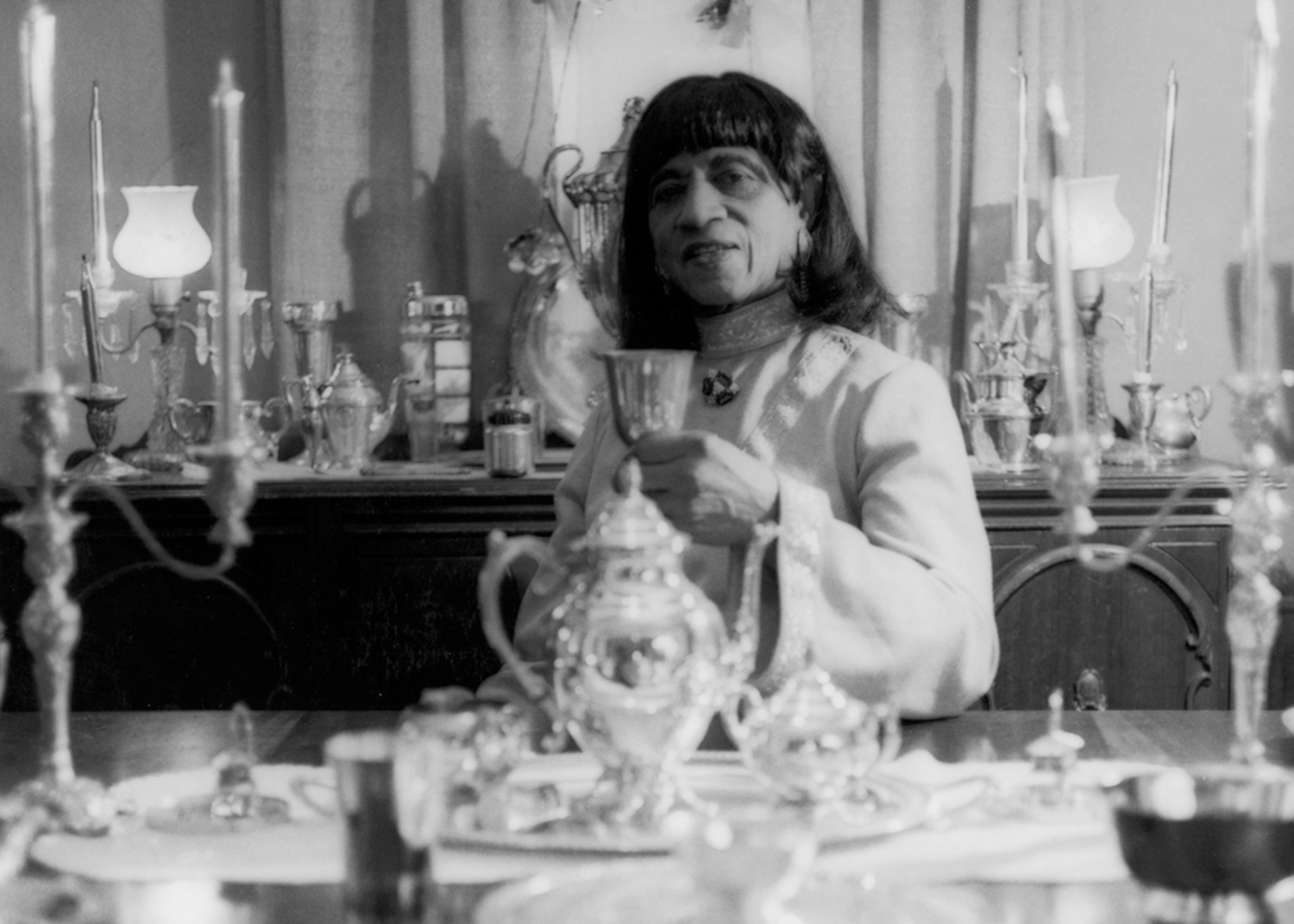
Frankfort’s George C. Wolfe brings Black history and imagination to theatre and film. Lexington’s Sweet Evening Breeze opens a different performance history: gender expression, care, community and belonging.
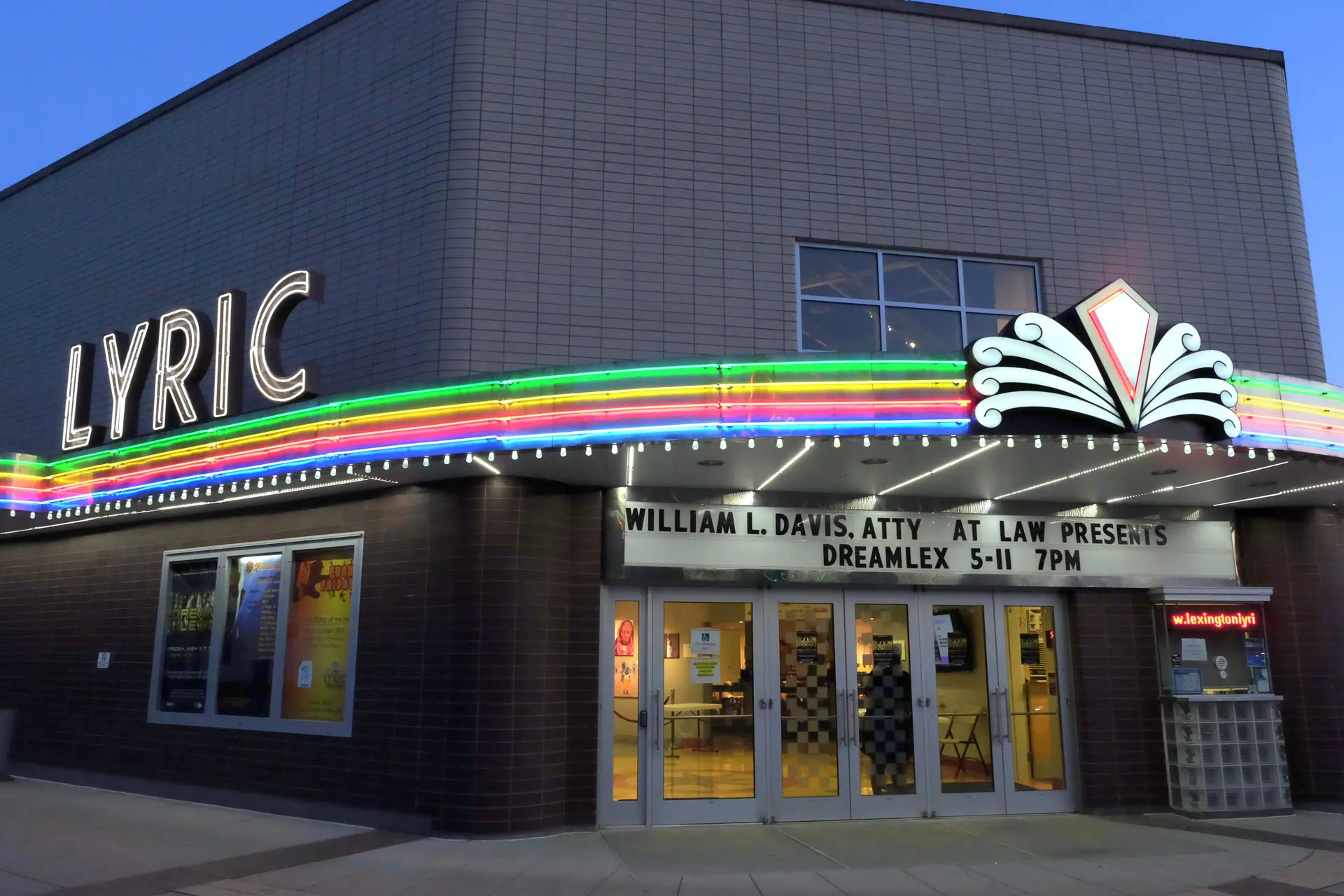
A stage offers visibility. It can also expose performers to policing. The Lyric’s documented 1960 raid belongs to this wider history, with its own named people and surviving evidence.
Explore Black queer Lexington →
Gallery V
The Sound of Kentucky
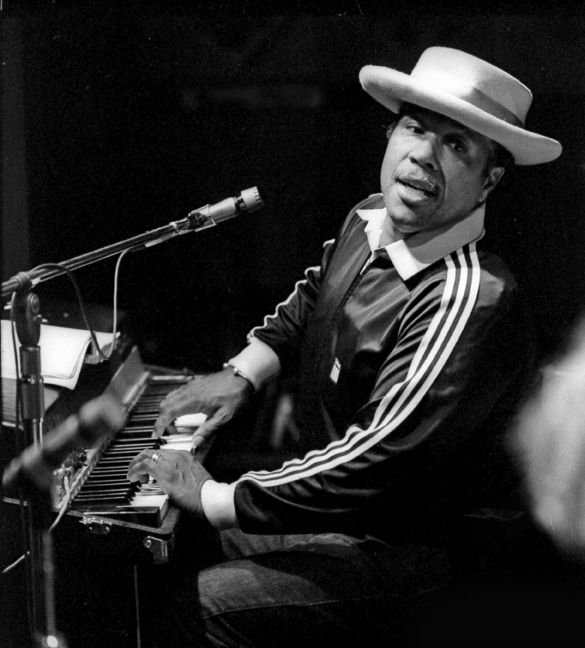
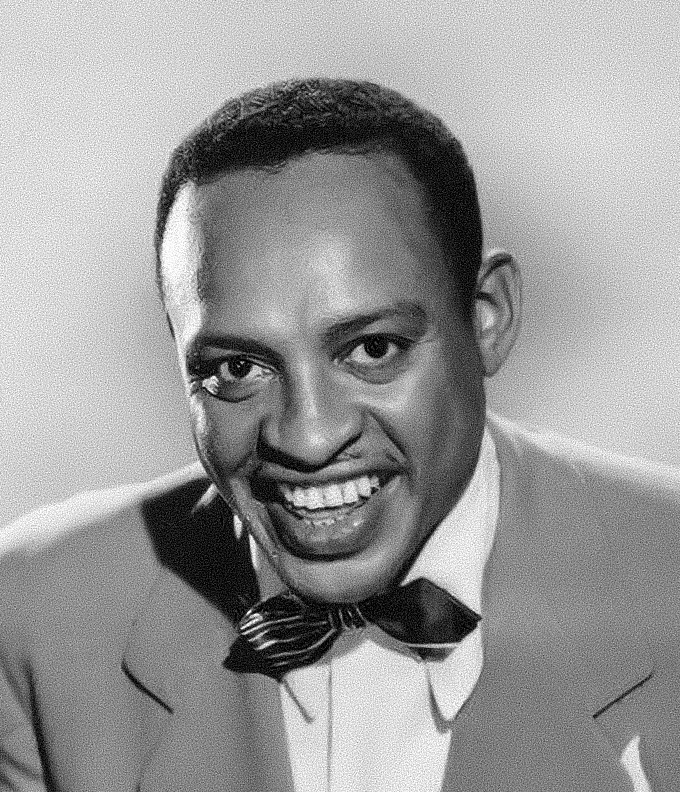
Louisville’s jug bands placed violin, voice and jug bass in conversation. Sara Martin, Clifford Hayes and Earl McDonald helped carry that sound onto records. Helen Humes, Jonah Jones and Lionel Hampton followed distinct paths through blues and jazz.
Julia Britton Hooks made musical education part of community life. Les McCann heard touring musicians as a young Lyric worker; Mary Ann Fisher developed her career in Louisville before touring with Ray Charles.
These are intersecting traditions, not a single line of progress.
Explore Kentucky’s musicians →
Gallery VI
From R&B to Hip-Hop
Static Major’s songwriting, Bryson Tiller’s R&B and Nappy Roots’ rural Southern identity offer different ways to hear contemporary Kentucky. Studios, friendship and collaboration carry the cultural network forward.
Static’s Grammy-winning contribution to “Lollipop” was songwriting. Nappy Roots formed through Western Kentucky University connections; that does not make every member a Kentucky native.
Static Major ↗ · Bryson Tiller ↗ · Nappy Roots ↗
Gallery VII
Places That Made the Artists
The Lyric, Deweese Street and Lexington’s East End connect performance with neighborhood life. Berea College and Kentucky State University connect artistic formation with education. Louisville’s collectives connect mentorship with access.
Black churches, schools, newspapers and families sustained cultural life alongside touring theaters. The Chitlin’ Circuit linked local audiences with a wider world. These institutions belong inside the history of the art itself.
This statewide exhibition documents each artist’s Kentucky connection. It does not claim that every featured artist performed at the Lexington Lyric.