The Lyric Theatre and Cultural Arts Center
Skip to exhibition
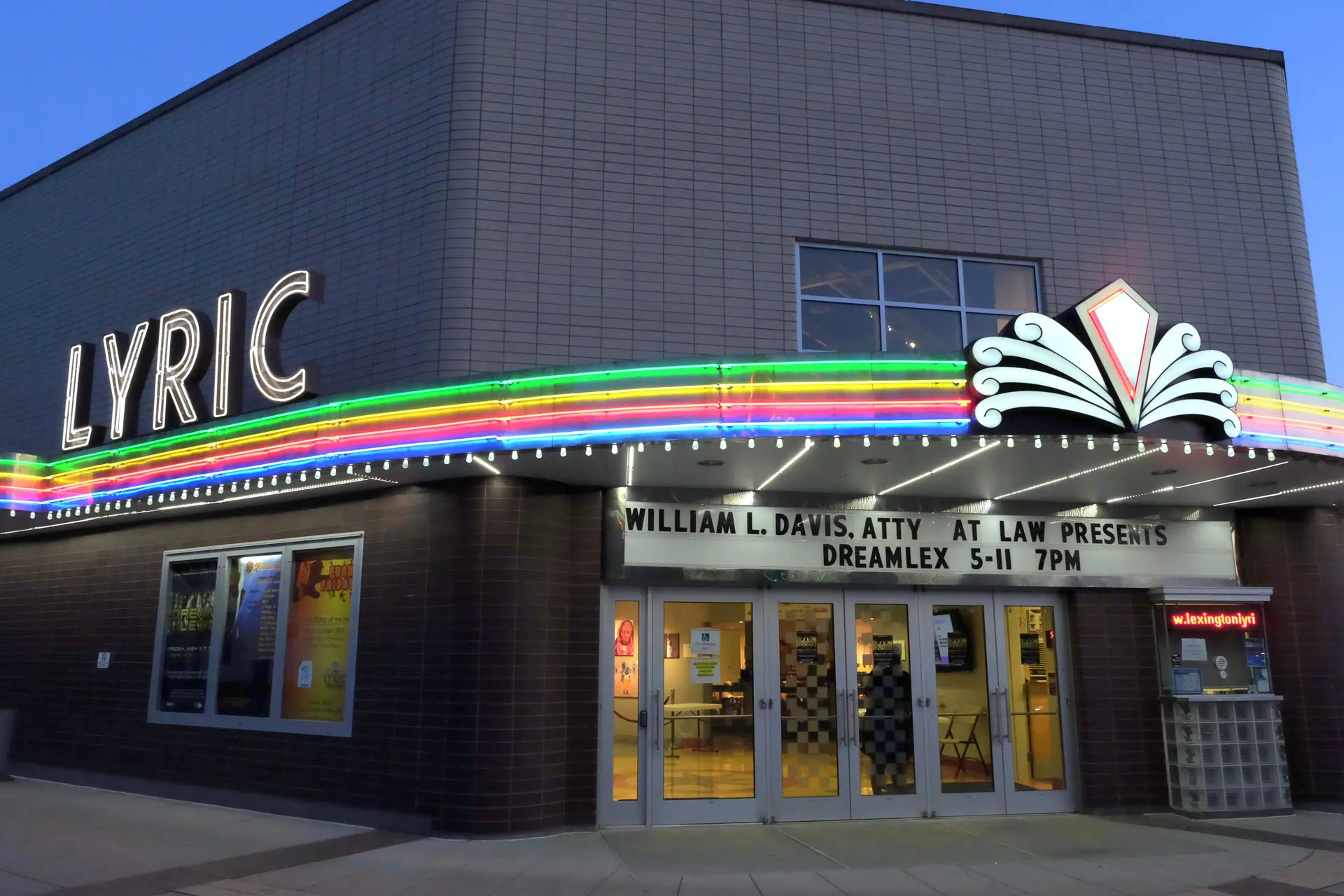
The Lexington Lyric’s illuminated marquee and entrance

The Historic Lyric / A digital history exhibition

Tonight
at the Lyric.

A stage. A neighborhood.
A world of Black creative life.

Enter the exhibition ↓

Contemporary Lyric photograph supplied for this exhibition.

01 / Cultural infrastructure

More than
a movie house.

Opened in 1948 at Third and Deweese, the Lyric belonged to Lexington’s historically Black East End.

Films, touring music and neighborhood gathering shared a home. The theater’s wider history also includes pageants, fashion shows and civic events—subjects for which individual programs and photographs can add detail to the institutional record.

Deweese Street’s businesses, churches and social spaces sustained the people who came through its doors. The stage worked because a community surrounded it.

Under segregation, Black audiences and performers built networks of places where cultural life could flourish. The Chitlin’ Circuit was one expression of those networks; the Lyric was a local institution within that larger world.

Sources & further reading

City of Lexington · Lyric history ↗ · The Lyric’s institutional history

Black schoolsChurches & familiesTHE LYRIC
Third & Deweese
Neighborhood enterpriseTouring artists

Original interpretive diagram. Cultural relationships, not a historical street map.

02 / From the Lyric to the world

The Lexington
journey of
Les McCann.

The Lyric helped shape a musician who carried its influence far beyond Lexington.

Born here in 1935, McCann worked in the theater as a young man—taking tickets, cleaning and seating customers. Watching touring musicians made the building a place of artistic discovery.

“That’s when I first got hooked on the music.”Les McCann, recalled in a 2013 interview cited by the Lexington History Museum

He specifically remembered Dizzy Gillespie, Wynonie Harris and Tiny Bradshaw. These recollections are firsthand evidence of encounters, even where an engagement’s precise date remains unknown.

His later soul-jazz career joined piano and voice with an international audience. Swiss Movement, recorded with Eddie Harris at Montreux in 1969, became a landmark recording. In 2013 he returned to perform at the Lyric with the Javon Jackson Band.

Sources & further reading

Lexington History Museum · Les McCann ↗

Recording Academy · Award record ↗

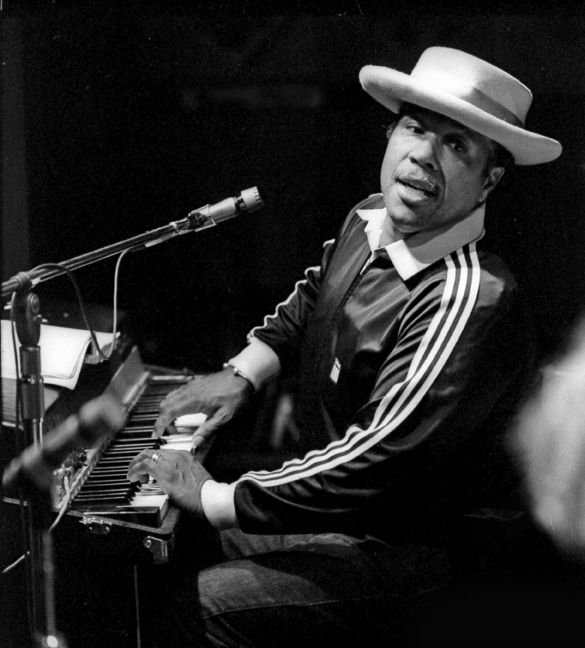
Les McCann photographed performing in 1980
Brian McMillen, July 22, 1980. CC BY-SA 4.0. Full photograph; license ↗.

In his own voice / NAMM Oral History

Choose play to begin. NAMM interview source ↗

Text overview of the video

NAMM’s interview excerpt presents McCann’s personal musical recollections. The exhibition’s Lexington context comes from the museum biography above. This overview is not a verbatim transcript.

03 / An evolving record

Tonight at
the Lyric.

Follow documented moments in the theater’s life. Scroll the stories or choose a year; the marquee follows along.

Historically inspired original graphic. This marquee is not a reproduction of a period advertisement.

THE HISTORIC LYRIC

1948

A new room for Lexington

LEXINGTON · THIRD & DEWEESE

Performance dates are stated only where supported. Undated appearances follow below.

1948 / CORROBORATED

A new room for Lexington

Opened in 1948

At Third and Deweese, a movie house also became a place for live performance and neighborhood gathering. The stage was part of a district of Black-owned businesses and community institutions.

Local life: an East End audience and business district. National context: Jim Crow restricted access to many public spaces.

Evidence & further reading

Lyric institutional history ↗ · City of Lexington ↗

1949 / CONFIRMED

Dizzy Gillespie

Late 1949 · exact engagement date not established

The John Coltrane Reference reproduces a Pittsburgh Courier report published December 3, 1949, placing Gillespie’s touring band at Lexington’s Lyric with Rita Thomas and Tiny Irvin. The newspaper’s publication date is not the performance date.

A leading innovator of bebop reached Lexington’s Black East End. Touring connected a neighborhood audience with the modern jazz movement.

Evidence & further reading

The John Coltrane Reference · 1949 chronology ↗

1960 / CONFIRMED

Performance & policing

October 14, 1960

Police interrupted a drag show at the Lyric. Surviving newspaper photographs and UK catalog descriptions identify Princess de Carlo and Verrano Willis. The people in this record have their own histories; they must not be replaced by a better-known name.

Local life: Deweese Street entertainment and queer performance. National context: authorities policed gender expression and LGBTQ+ gathering spaces.

Evidence & further reading

UK record · R.2531.02 ↗ · UK record · R.2531.03 ↗

1963 / CORROBORATED

The lights went dark

Closed in 1963

The original theater closed, but its place in community memory endured. Remembering a venue involves the audiences, workers and surrounding businesses as well as the artists on its stage.

A building can fall silent while the stories attached to it remain active.

Evidence & further reading

Lyric institutional history ↗

2010 / CORROBORATED

A cultural home returns

Reopened in October 2010

The restored Lyric returned as a theatre and cultural arts center. Preservation made space for performance, education, exhibitions and the continuing work of community memory.

The contemporary center connects a historic building with a living cultural mission.

Evidence & further reading

Lyric institutional history ↗ · WUKY · Tom Tolliver remembers reopening ↗

2013 / CONFIRMED

Les McCann comes home

2013 · exact concert date not stated here

McCann returned to the Lyric with the Javon Jackson Band. The Lexington History Museum records the hometown concert, drawing on Walter Tunis’s October 17, 2013 Herald-Leader report.

The young theater worker had become an internationally heard musician. His return connected artistic achievement with the room where he first listened.

Evidence & further reading

Lexington History Museum · McCann biography ↗

The original theater era / Dates still unresolved

Names on
the stage.

Evidence can establish a performer’s connection without establishing the night. These appearances are not assigned invented dates or a false chronological order.

Portrait of Count Basie

CORROBORATED · Date unresolved

Count Basie

Swing, orchestral precision and a powerful rhythmic language. Basie’s bandleading is part of the national jazz history connected to this Lexington stage.

Sources & image credit

City of Lexington ↗ · KET · Connections with Donald Mason ↗

William P. Gottlieb / Library of Congress. Public domain.

Portrait of Ray Charles

CORROBORATED · Date unresolved

Ray Charles

A pianist and singer who brought gospel, blues, jazz and country into a singular musical language. City and institutional histories identify a Lyric appearance; its date remains unresolved.

Sources & image credit

City of Lexington ↗ · KET · Connections with Donald Mason ↗

Phil Regendanz, circa 1988. Public domain in the U.S.

Portrait of Cab Calloway

CORROBORATED · Date unresolved

Cab Calloway

A bandleader whose voice, movement and theatrical presence made performance itself part of swing’s appeal. Institutional and Lexington histories place him at the Lyric, without a verified date.

Sources & image credit

KET · Institutional interview ↗ · Lyric institutional Circuit history ↗

William P. Gottlieb / Library of Congress. Public domain.

Portrait of B.B. King

CORROBORATED · Date unresolved

B.B. King

The Lyric’s institutional history connects the theater with King’s touring blues career. Possible 1952 and 1953 bookings are leads, not established dates in this exhibition.

Sources & image credit

Lyric Circuit history ↗ · Lexington history reporting ↗

Eric Draper / White House Photo Office, 2006. Public domain.

Publicity portrait of singer Wynonie Harris

CONFIRMED · Date unresolved

Wynonie Harris

McCann specifically remembered hearing Harris at the Lyric. This is firsthand testimony reported by the Lexington History Museum. His jump-blues singing belongs to the musical world from which rhythm and blues and rock emerged.

Sources & image credit

McCann testimony · Lexington History Museum ↗

Wynonie Harris publicity photograph, photographer unknown. Public domain in the United States. Image source and rights ↗

Portrait of bandleader Tiny Bradshaw, photographed by Carl Van Vechten in 1942

CONFIRMED · Date unresolved

Tiny Bradshaw

McCann also named Bradshaw among the musicians he heard here. The testimony establishes a remembered appearance without establishing a date. Bradshaw’s bandleading links swing-era performance with jump blues and rhythm and blues.

Sources & image credit

McCann testimony · Lexington History Museum ↗

Carl Van Vechten, March 19, 1942 / Library of Congress. Public domain. Full photograph, not a Lyric engagement photograph. Image source and rights ↗

Musical currents, overlapping in time

Swing↔Jump blues↔Rhythm & blues↔Rock ’n’ roll

Gillespie’s bebop, Bradshaw’s band and Harris’s singing place Lexington within a changing musical world. These genres overlapped and influenced one another; the diagram does not claim a single origin or a fixed progression.

04 / Black queer Lexington

Performance.
Policing.
Belonging.

The night the police came to the Lyric.

On October 14, 1960, detectives interrupted a drag show. UK’s catalog identifies Princess de Carlo and Verrano Willis in surviving newspaper photographs. The following day’s Lexington Leader reported the arrests on pages 1 and 8.

These records reveal how authorities policed gender expression. Their language reflects the newspaper and police categories of the time, not the identities or terms that people necessarily chose for themselves.

The archive preserves an encounter with police, not a complete life story. The performers deserve to be remembered as people and artists beyond the circumstances in which a newspaper photographed them.

Sweet Evening Breeze is central to Lexington’s wider Black queer history. The surviving records cited here do not identify Sweets as one of those arrested in this raid.

Sources & further reading

View UK catalog object R.2531.02 ↗ · View UK catalog object R.2531.03 ↗

Lexington Leader, October 15, 1960, p. 1, columns 7–8, and p. 8; cited in UK’s catalog notes. The original article uses historical terminology.

Archive object / October 14, 1960

R.2531.02

Princess de Carlo

UK’s record identifies the performer by this stage name and notes the name William Campbell Jr. given to police.

John C. Wyatt Lexington Herald-Leader Collection. Curatorial description by Reinette F. Jones. Linked catalog record; photograph not reproduced.

View UK catalog object R.2531.02 ↗

Archive object / October 14, 1960

R.2531.03

Verrano Willis

A separate photograph documents Willis with Detective Carl Shye. The stage name is not established in the catalog notes.

John C. Wyatt Lexington Herald-Leader Collection. Linked catalog record; photograph not reproduced.

View UK catalog object R.2531.03 ↗

A broader Lexington life

Sweet Evening Breeze

James Herndon, known as Sweets, combined hospital work, community relationships and a public expression of gender that challenged expectations. The Faulkner Morgan Archive preserves photographs and remembrances; UK’s Nunn Center holds a 1982 oral-history interview.

This larger life belongs beside the Lyric story, without making every remembered incident part of the same event.

Sources & further reading

Faulkner Morgan Archive · Sweets collection ↗

UK Libraries · Oral-history collection milestone ↗

05 / The voices continue

Listen to
the return.

Tom Tolliver remembers the work of reopening the Lyric. This WUKY Saving Stories feature, made with the Nunn Center, brings a community voice into the building’s preservation history.

4:59 · WUKY episode and text introduction ↗. Playback stays on this page.

More community voices →
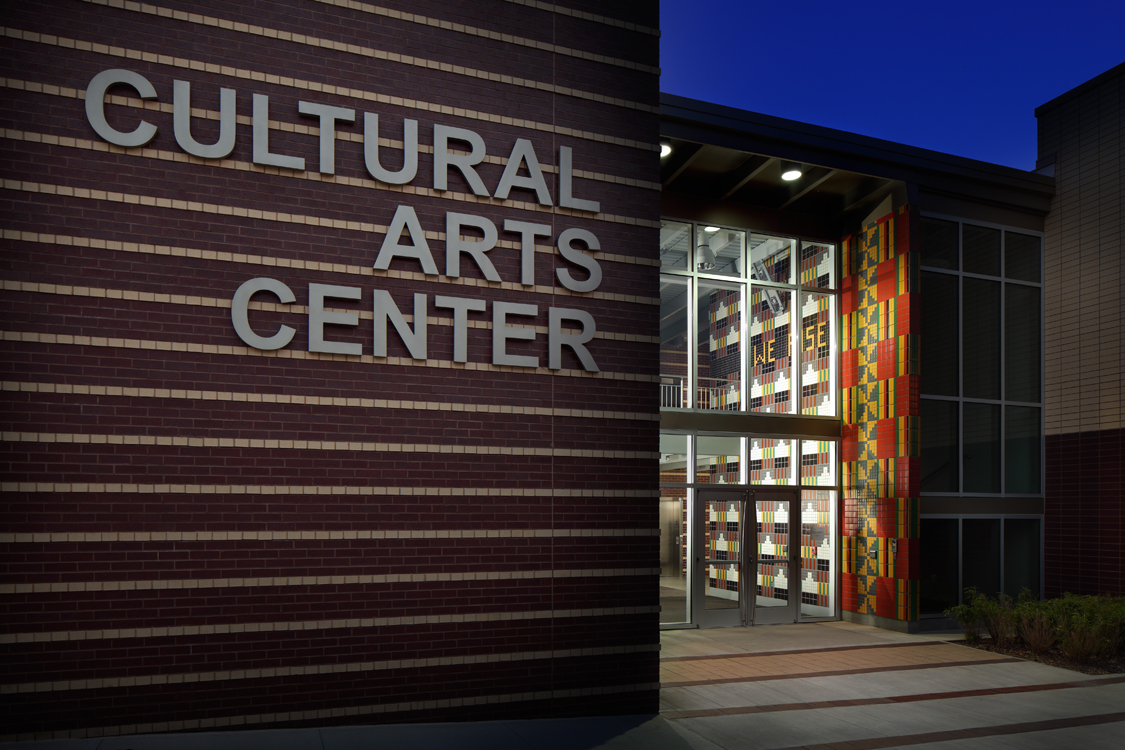
The Lyric Cultural Arts Center entrance and colorful tiled interior at dusk
Contemporary photograph supplied for this exhibition.

06 / How we know

History with
its evidence visible.

Confirmed

A contemporary record, archival photograph or credible firsthand account identifies the connection. A confirmed appearance can still have an unknown date.

Corroborated

Institutional or scholarly histories support the association. An original program, advertisement or dated image is still worth seeking.

Community memory

Credible recollection belongs in the story, with its source and limits visible.

Researching

A repeated claim or possible booking awaits adequate evidence. It is not presented as an established performance.

Open the research notebook / Unverified performance leads

The following dates come from a concert chronology and remain unverified. They are research prompts, not entries in the documented marquee.

  • B.B. King / H-Bomb Ferguson
    April 17, 1952 · unverified lead
  • Memphis Slim / The Clovers / Terry Timmons
    August 24, 1951 · unverified lead
  • Billy Ward and His Dominoes
    September 20, 1952 · unverified lead
  • The “5” Royales
    January 16, 1953 · unverified lead
  • B.B. King / Mary Ann Fisher / Stewart Brothers
    August 26, 1953 · unverified lead

No contemporary notice was located in this public research pass. The next step is a search of the Lexington Herald and Leader, Pittsburgh Courier, Indianapolis Recorder, Chicago Defender and Billboard around these dates.

A Dominoes listing alone would not establish Clyde McPhatter’s presence. Mary Ann Fisher’s Louisville Lyric appearances do not establish a Lexington engagement.

Concert chronology · research lead only ↗

Repeated associations / What remains unresolved

Duke Ellington, Ella Fitzgerald and Louis Armstrong appear in later accounts, but adequate venue-specific underlying evidence has not been located here. A Lexington performance at another venue is not proof of a Lyric appearance.

Community accounts remember James Brown among the artists who appeared at the Lyric; archival confirmation of the performance date remains an active research question.

Tina Turner, Etta James and Redd Foxx also appear in later Lyric histories. These associations are retained as research questions while original booking records are sought.

Archive objects, image rights & further reading

UK catalog records identify two contemporary raid photographs and their accession numbers. Reproduction rights are not assumed from online availability; this exhibition links those objects rather than republishing them.

Newspaper advertisements, performance notices, programs and contracts remain important gaps. No invented period advertisement is used. The original marquee and network diagrams are interpretive graphics.

Performance portraits are later images, not photographs of the Lexington engagements. Their credits appear on each card. Contemporary Lyric photographs were supplied for the site.

Research review: October 9, 2026. Evidence classifications describe the material reviewed, not a claim that every surviving archive has been searched.

Continue into Kentucky’s wider creative world

Made in
Kentucky.

Black artists who changed American culture.
Seven galleries. Thirty artists and groups. Twelve communities.

The Lyric has its own documented history. It also survives as an example of the institutions that sustained Black artistic life across Kentucky.

Enter Made in Kentucky →