Skip to exhibit
The Lyric Theatre and Cultural Arts Center

THE HISTORIC LYRIC · CULTURE EXHIBITS

Black Hamlets
of the Bluegrass

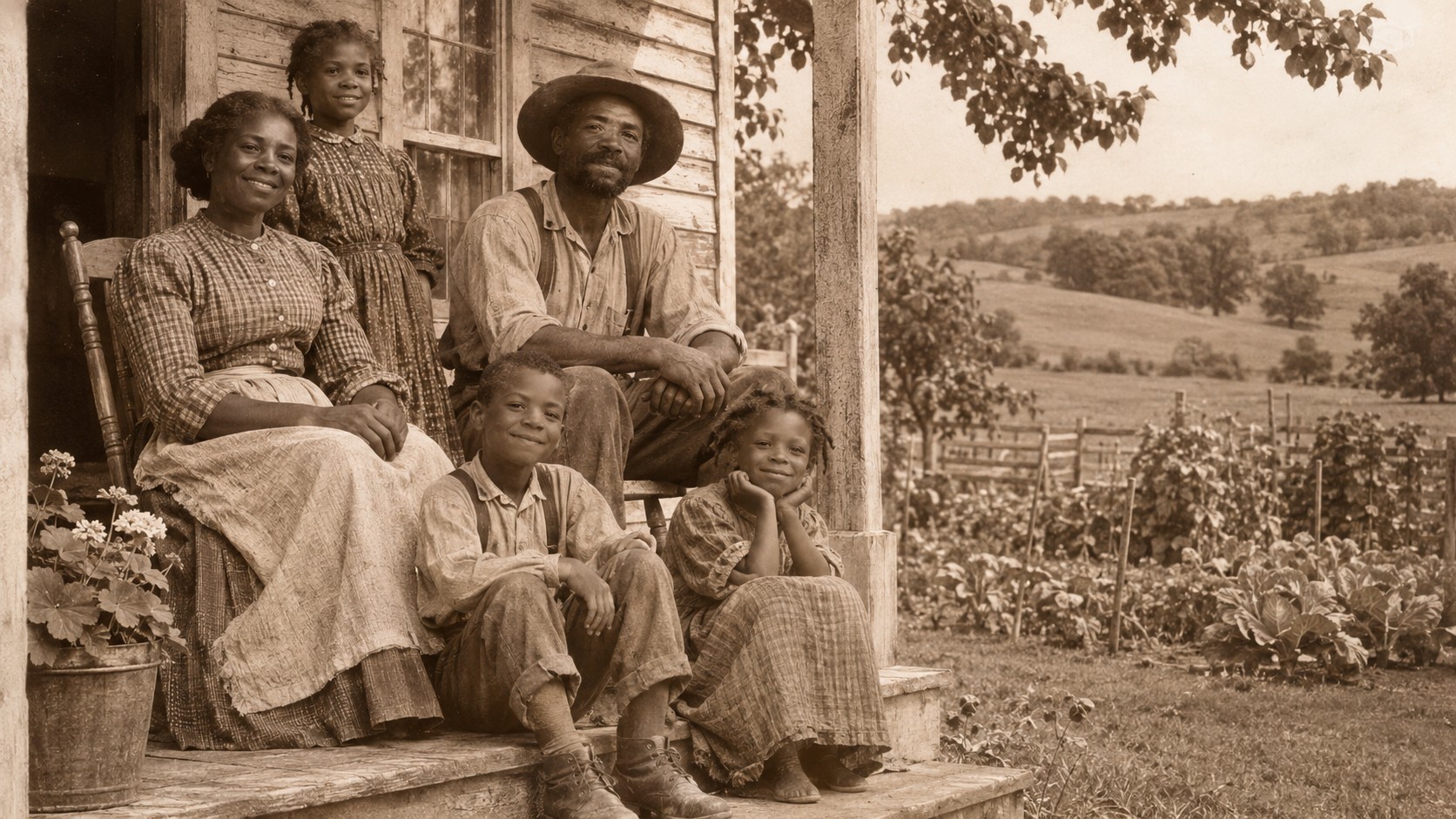
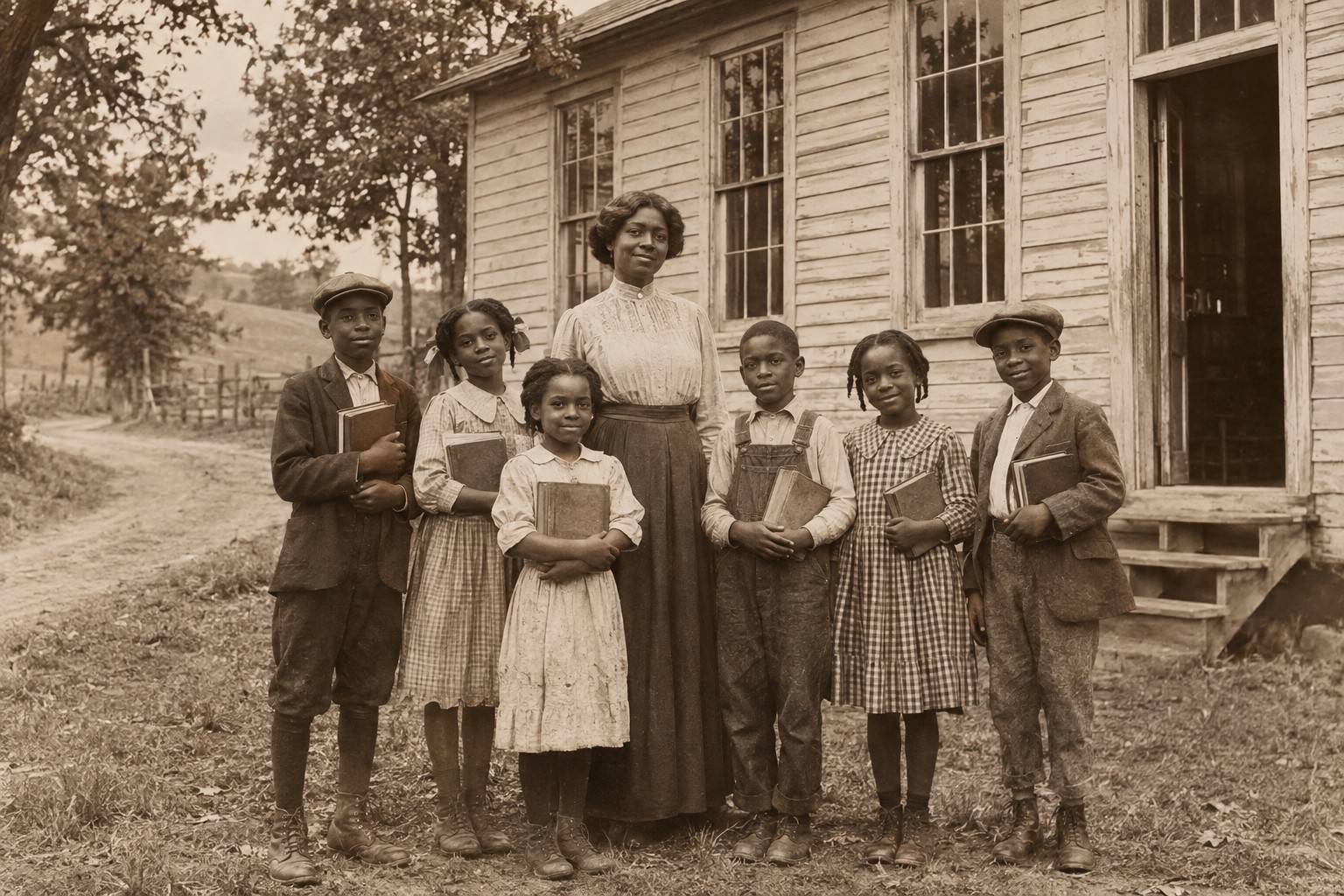
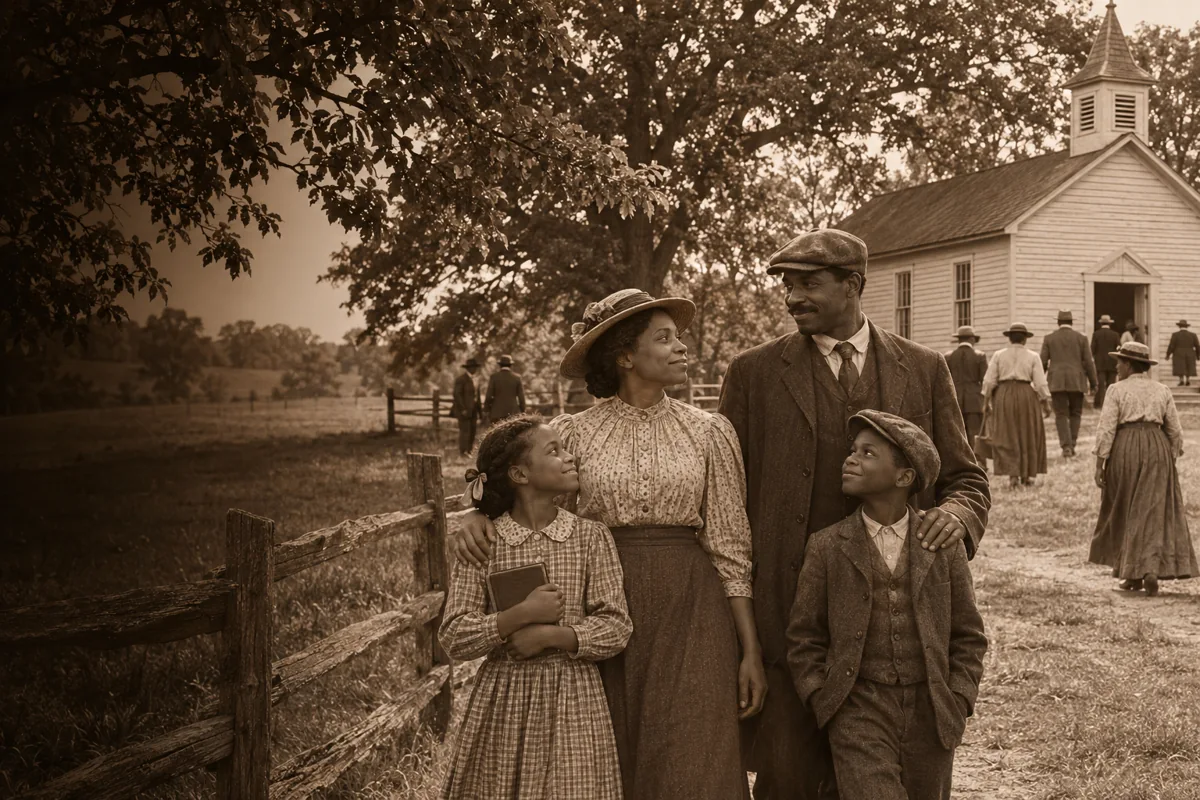
Across the Bluegrass, African American families built communities rooted in freedom, faith, education, landownership, and the determination to create a future for generations to come. Some of these settlements remain vibrant today. Others survive through family memories, church records, historic maps, and the stories passed from one generation to the next.

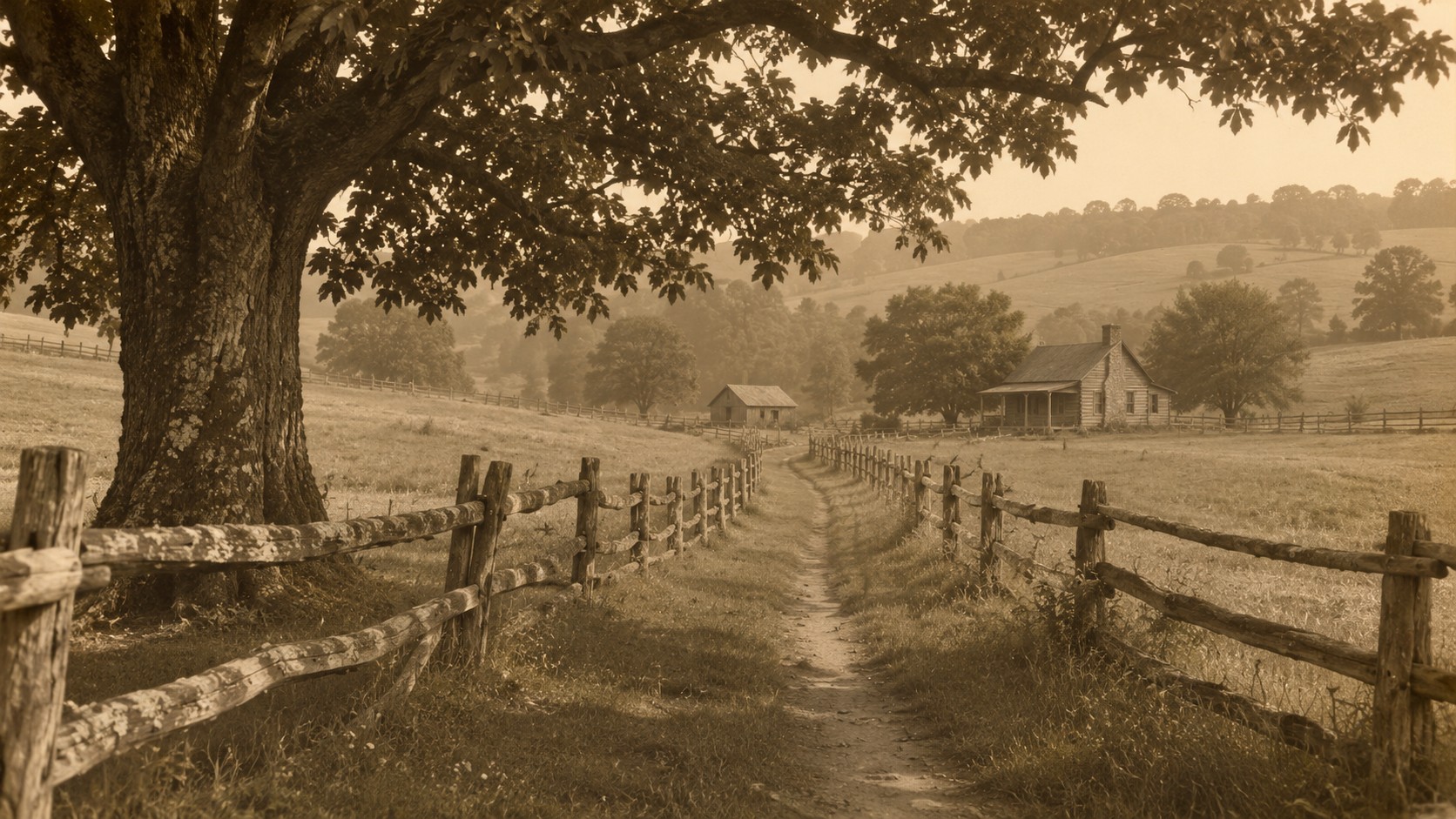
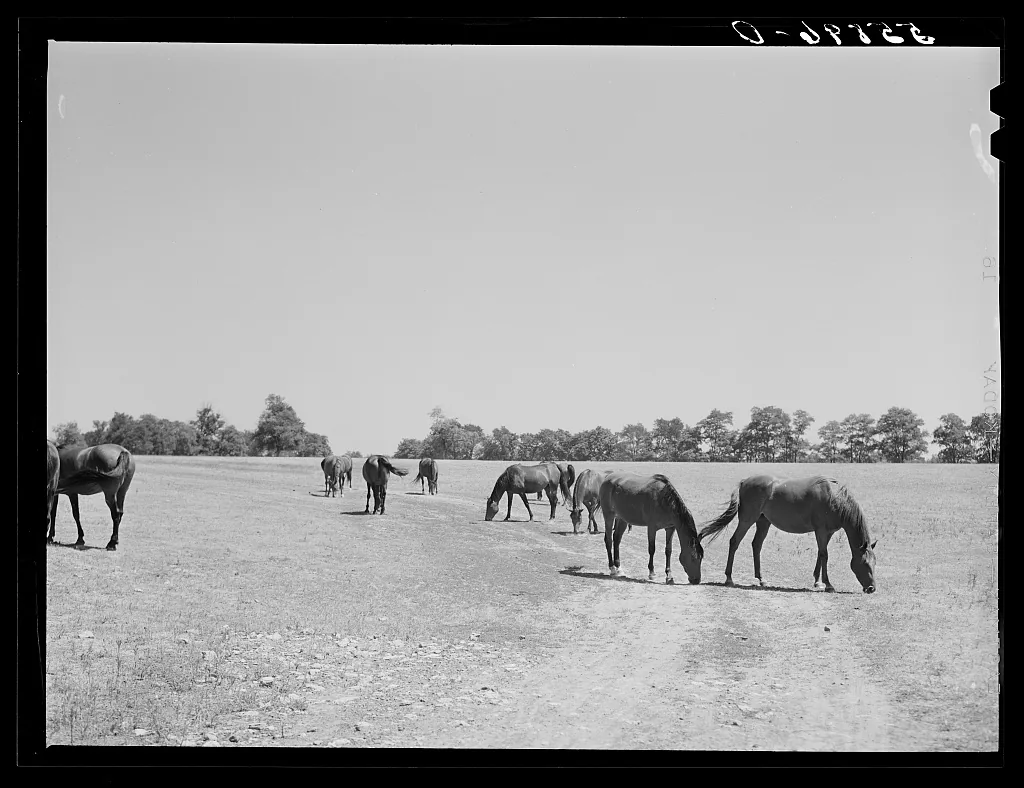
Regional landscape · Walnut Hall near Lexington, July 1940 · Marion Post Wolcott / Library of Congress

MORE THAN A PLACE ON A MAP

A homeplace.
A whole world.

A hamlet could be small in size and expansive in meaning. Landownership, faith, education, work, and kinship shaped places that families called home. Their histories begin at different moments—and their stories continue in different ways.

Follow community stories across the Bluegrass, with an expanded Fayette County directory and starting points for further research.

1 Community StoryLiving History

Discover Jessamine County’s Communities

Explore the people, places, and histories of Black communities in Jessamine County.

The Bluegrass Region

Jessamine County

Explore the people, places, and histories of Black communities in Jessamine County.

Browse the directory
Jessamine County

Community Directory

Select a county. Map pins identify documented landmarks associated with communities.

Community stories

Image pending

Ariel and Hall

The Camp Nelson landscape provides an essential starting point for studying Black refugee life, emancipation, and the communities that followed.

Explore the national park Read story
Open the original exhibit reference map

01 / A GEOGRAPHY OF BELONGING

Find a place.
Discover its story.

Choose a county or a community. Map points offer orientation, not historical property lines.

Loading the regional map. Every place is also available in the community list.

COMMUNITIES TO EXPLORE

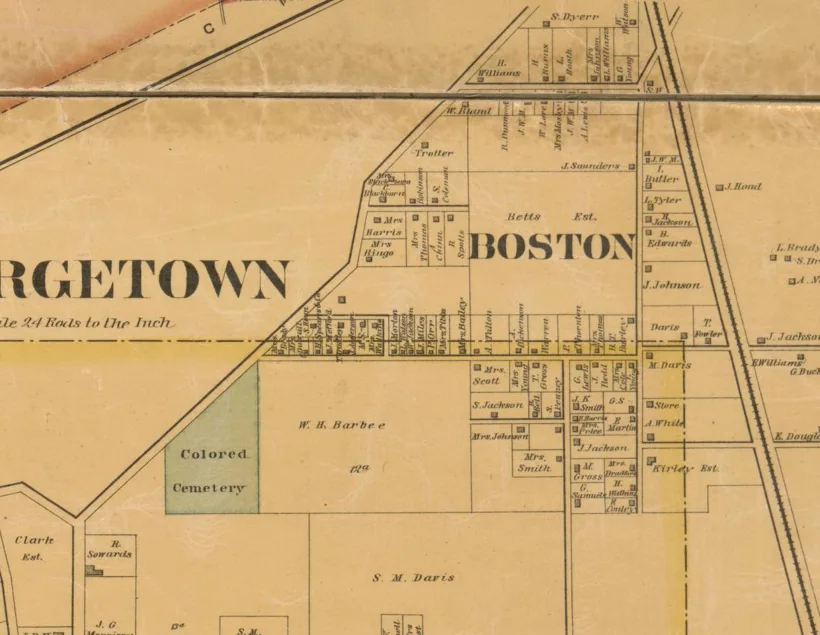
The Boston point marks Georgetown for orientation only. Mapped locations are approximate reference points or landmarks; no historic settlement boundaries are asserted. Fayette County has 21 sourced reference pins. These mark general places or public landmarks, including rounded map-derived references; they do not establish historic boundaries.

THE WIDER RESEARCH

Bourbon County’s genealogy records and Madison County’s school and oral-history collections offer further leads. They require individual settlement and property research.

Bourbon records ↗Madison oral histories ↗

03 / THROUGH THE YEARS

Freedom took root.
Life grew around it.

Select a moment to follow its evidence. Dates refer to documented events, not a single founding story for every community.

04 / WATCH AND LISTEN

History, told
in living voices.

Begin with Huntertown. These films and community projects are linked by the park’s own media archive.

05 / LOOK CLOSER

The archive holds
another layer.

Enlarge a photograph or unfold a historical map. Read its address, date, and source alongside the image.

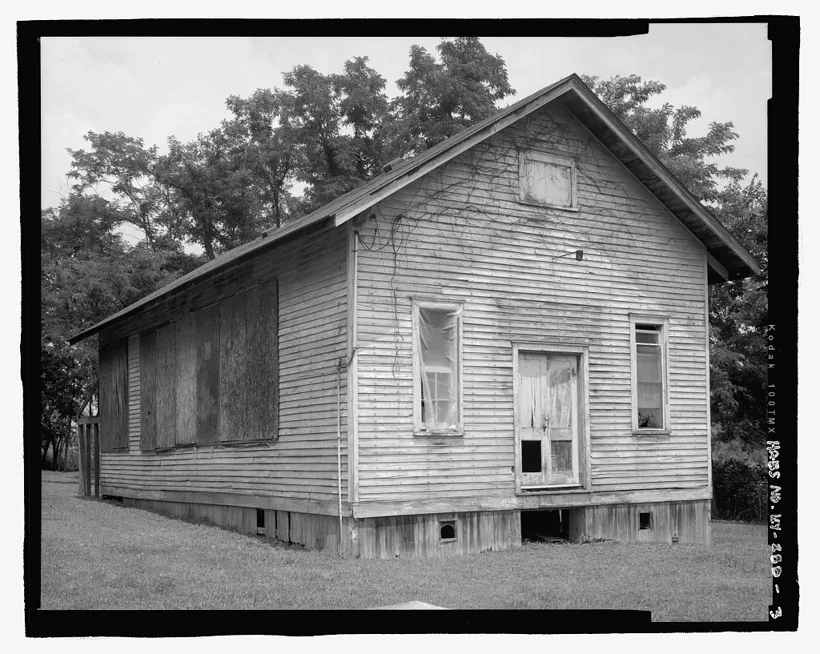
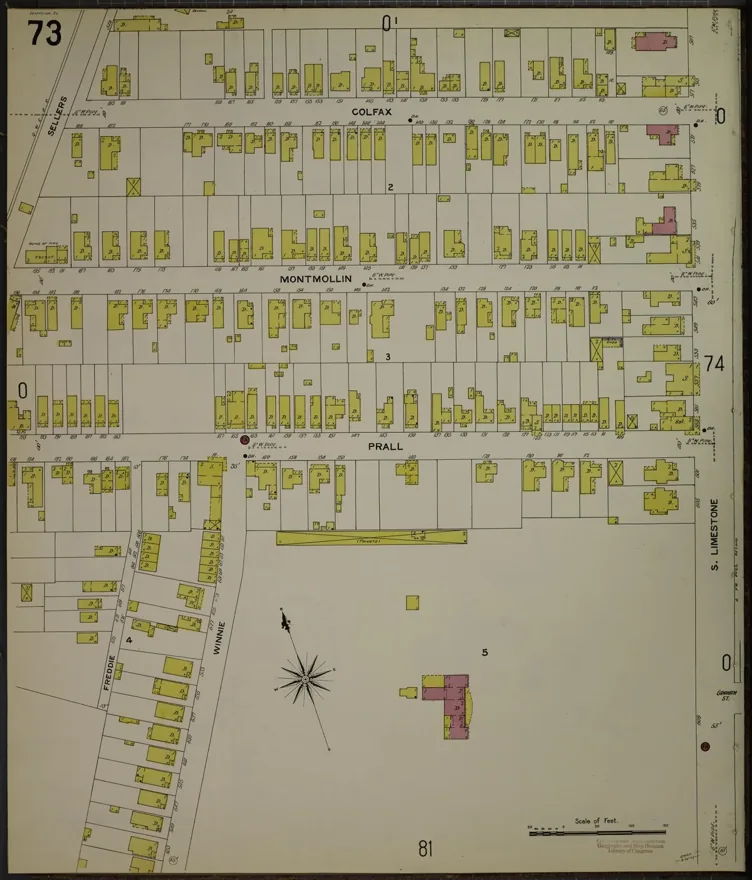
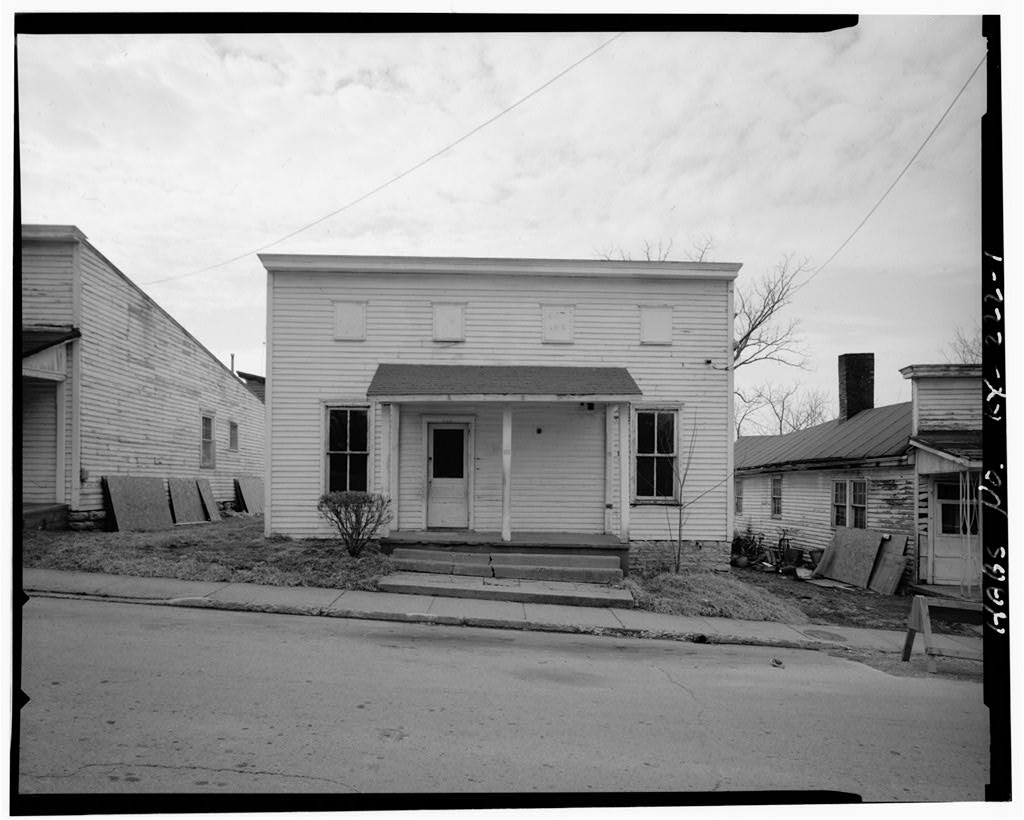
The house photographs document North Mulberry Street in Georgetown. Their relationship to Boston has not been established. HABS images: Library of Congress, no known restrictions on government-made photographs. Sanborn map: public domain.

06 / THE READING ROOM

Read the record.
Follow the evidence.

Newspapers and local reporting connect family histories with the public record. Open the source to read further.

THE WOODFORD SUN · AUGUST 15 2024

Community gathering
at Huntertown

A newspaper page records a community barbecue at the interpretive park, with photographs of the historical marker and former resident Richard Washington.

WINCITY VOICES · JULY 20 2023

Poynterville
and the deed book

Historian Harry Enoch follows the Winchester subdivision’s 1867 plat and the African American buyers whose property records preserve individual names and occupations.

Read Harry Enoch’s article ↗

WKYT · OCTOBER 14 2021

A new way
to remember

Broadcast reporting documents the Huntertown park project and the effort to preserve community history. Read alongside the park’s official chronology.

Open the news report ↗

A HISTORY OPEN TO FURTHER DISCOVERY

What we know.
What we are still learning.

Published records support these stories. They do not yet provide a complete parcel-by-parcel history of every Black hamlet in the seven-county region. Boston’s boundaries, founding families, and present-day parcel uses remain under research.

Land records · 1872

New Zion’s two deeds

Scott County’s deed book records land purchases by Calvin Hamilton and Primus Keene on November 23, 1872. Both handwritten entries are available to read.

Explore the New Zion deed sources

Historical map · 1879

Boston on the map

The Georgetown inset on an 1879 Scott County map labels Boston. The neighborhood’s precise boundaries remain under research.

Explore the Boston map sources

School inventory · 1929–30

Zion Hill’s school

Kentucky’s Rosenwald inventory records a one-teacher school at Zion Hill in the 1929–30 funding period, with a construction cost of $3,200.

Explore the Zion Hill school sources

Community sources by county

Clark County 1 entry

Fayette County 21 entries

Athens
Avon
Bracktown
Cadentown
Centerville
Coletown
Columbus
Fort Spring
Jimtown
Jonestown
Little Georgetown
Maddoxtown
Mitchelltown
Muir Station
Nihizertown
Pralltown
Pricetown
South Elkhorn
Uttingertown
Warrentown
Willa Lane

Jessamine County 1 entry

Scott County 3 entries

Woodford County 1 entry

Research reviewed November 6, 2026. Family testimony, legal records, maps, and published histories can describe different parts of the same story. Earlier settlement dates are identified as attributed accounts when they differ from recorded land purchases.

THE HISTORY CONTINUES WITH YOU

Every place has a story.
Help us remember yours.

Family photographs, neighborhood maps, and remembered names can open the next chapter. Contact the Lyric about sharing a story or identifying a historical source.

Connect with the Lyric ↗

From The Lyric Book Collection

Continue the Story — Recommended Reading

Freedom, land, and the work of building communities in and beyond Kentucky.

Fiction

Beloved

Toni Morrison

A mother and daughter reckon with the afterlife of slavery in a house haunted by a child’s return.

Reference

The Kentucky African American Encyclopedia

Gerald L. Smith, Karen Cotton McDaniel, John A. Hardin

A reference work brings together people, institutions, and events in Black Kentucky history.

Essays

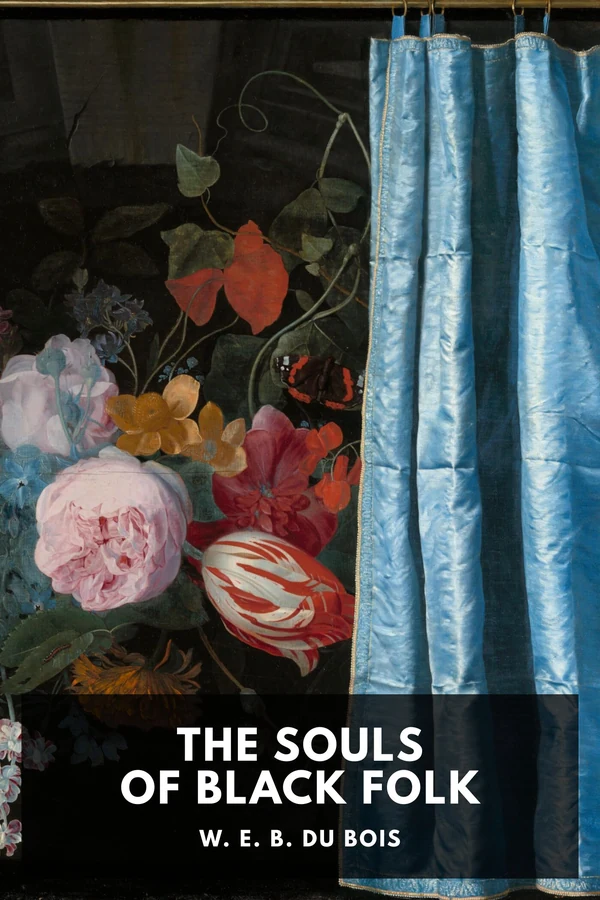
The Souls of Black Folk

W. E. B. Du Bois

Du Bois explores emancipation’s aftermath, segregated education, and the experience he calls double consciousness.

See the reading list